


Introduction: Why Compatibility Matters More Than Chemistry
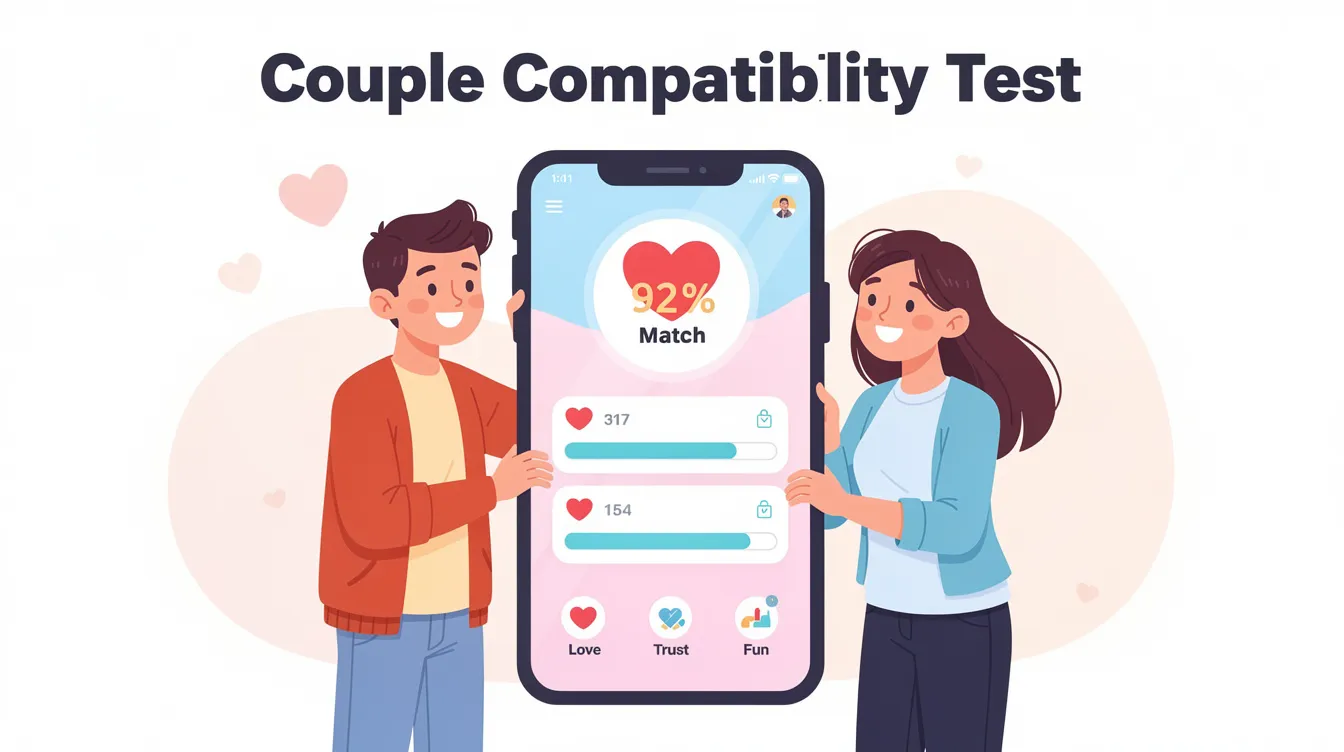
Compatibility questions for couples help partners explore their relationship dynamics and gain deeper insight into their connection. This guide is for couples at any stage—whether you’re just starting to date or considering a major commitment—who want to assess their compatibility. We’ll cover the most important compatibility questions across values, lifestyle, communication, future goals, and more.
Compatibility questions help couples explore their relationship dynamics. These are structured prompts designed to spark meaningful conversations, allowing you to understand how your values, habits, and expectations align with your partner’s.
Picture this: You matched on Hinge in early 2023. The first date lasted four hours. You texted all night, made plans for the weekend, and told your friends you’d finally met someone special. Six months later, you’re sitting across from each other at a coffee shop, breaking up because you want kids and they’re firmly child-free, your finances don’t align, and your idea of a perfect Sunday couldn’t be more different.
This scenario plays out constantly. That initial spark—the butterflies, the late-night conversations, the feeling that you’ve known this person forever—often masks deeper misalignments that become deal breakers later.
Research from The Gottman Institute shows that communication and conflict patterns predict divorce with over 90% accuracy, while initial attraction offers almost no predictive value for long-term satisfaction.
Chemistry leads people to skip the harder conversations. When everything feels effortless in the beginning, asking about finances, family expectations, or how someone handles stress can seem unnecessary—even awkward. Meeting a stranger on a first date can feel uncomfortable or awkward, but having a conversation roadmap with compatibility questions can make those early interactions with a stranger more comfortable and meaningful. But those unasked questions become the fault lines that crack relationships months or years down the road.
If you avoid important topics, you can end up feeling stuck in uncomfortable dating situations or even in a situationship, unsure how to move forward.
True compatibility isn’t about agreeing on every preference or hobby. It’s about alignment in core values, lifestyle expectations, communication style, and future direction.
Couples who share similar life goals and expectations report significantly higher relationship satisfaction than those who rely on attraction alone. Staying emotionally connected through regular, honest conversations is key to long-term relationship health.
Asking structured compatibility questions for couples early—within the first 3-5 serious dates—can save you months or years of misalignment. These dating compatibility questions aren’t meant to feel like a job interview. They’re conversation starters that help you understand whether this person you’re excited about can actually be your partner in life.
Using date questions strategically on a first date can foster genuine conversation and help you assess compatibility while keeping the interaction natural and engaging.
When you ask meaningful questions and share openly, you create space for emotional connection. Being present and fully engaged during these conversations helps foster a real connection. Effective mindful dating techniques involve not just asking good questions but also listening mindfully to the answers.
Engaging in mindful dating practices can even lead to the release of oxytocin, the bonding hormone that fosters trust and connection. Self-disclosure—sharing meaningful aspects of ourselves—is the foundation of intimacy in relationships.
For more on why taking a compatibility test before a first date can transform your dating experience, check out Why You Should Take a Compatibility Test Before a First Date.
Below, you’ll find a comprehensive list of 50 powerful compatibility questions for couples, organized by theme. Use them before becoming exclusive, before moving in, or before making any major commitment.

Understanding Compatibility
What Is Compatibility?
Understanding compatibility is at the heart of every successful relationship, yet it’s often overlooked in the excitement of a new connection. Compatibility isn’t just about sharing hobbies or having chemistry on a first date—it’s about how two people’s values, communication styles, and life expectations align over time.
Whether you’re meeting someone through online dating or being introduced by friends, the real test of compatibility comes from honest conversation and a willingness to explore deeper topics together.
To learn more about how compatibility differs from chemistry and why pre-date assessments can save time and reduce dating burnout, visit Compatibility vs Chemistry Before the First Date.
Why Compatibility Matters
On a first date, it’s tempting to focus on surface-level fun, but creating space for meaningful questions can reveal whether you’re truly aligned or if there are potential deal breakers ahead. Instead of treating these moments like a job interview, aim for a natural flow—ask about spiritual beliefs, family traditions, or what makes someone feel loved.
These insights can help you understand if your emotional connection has the potential to grow into something lasting.
Signs of True Compatibility
True compatibility goes beyond initial attraction. It’s about how you communicate, how you handle stress, and whether you can compromise when disagreements arise.
Pay attention to your partner’s communication style—do they listen, ask questions, and respond with empathy? Are they open about their boundaries and expectations, or do they avoid uncomfortable topics?
The way you both manage conflict and create space for each other’s needs is a strong indicator of long-term fit.
Building Compatibility Over Time
As your relationship develops, it’s important to talk openly about major life aspects like finances, marriage, kids, and commitment. These conversations might feel awkward at first, but waiting too long can lead to misunderstandings or unmet expectations.
Be honest about your own values and non-negotiables, and encourage your partner to do the same. Admitting when you’re unsure or uncomfortable is a sign of maturity and helps build trust.
Don’t underestimate the power of understanding each other’s love language and emotional needs. Feeling loved and supported is essential for a real connection, and knowing how to communicate affection can deepen your bond.
Reflect on your own past experiences and what you want from a partner—this self-awareness will help you recognize true compatibility when you find it.
Ultimately, compatibility is about balance and growth. It’s the ability to manage stress, navigate disagreements, and support each other’s dreams while respecting boundaries.
Stay curious, ask thoughtful questions, and be open to insight from both your partner and yourself. By prioritizing honest communication and mutual understanding from the beginning, you lay the groundwork for a relationship that can weather life’s challenges and thrive for years to come.
Once you understand the basics of compatibility, it’s time to dive into the specific questions that reveal whether your core values align.
Core Values Compatibility Questions
Why Core Values Matter
Long-term compatibility hinges on whether your deepest beliefs align. We’re talking about how you define success, what role family plays in your life, your spiritual beliefs, and what integrity actually means to you in practice.
Studies on value similarity and marital satisfaction consistently show that couples who align on core values report higher happiness and significantly lower conflict over time. This makes sense—values guide how you make decisions, spend money, raise kids, and prioritize your life.
The most revealing questions in mindful dating touch on values, emotional intelligence, and relationship expectations.
Sample Questions
These are questions to ask before dating officially or before becoming exclusive. Ideally, weave them into your first 3-6 deeper conversations rather than firing them off like an interrogation.
- What values guide most of your life decisions?
- What does a successful life look like to you?
- How important is family in your life?
- What role does religion or spirituality play for you?
- What causes or issues are you most passionate about?
- How do you usually make major life decisions?
- What kind of legacy do you want to leave behind?
- What does integrity mean to you?
How to Use These Questions
After considering these compatibility questions for couples, take time to reflect on your own opinion about each topic. Share your honest thoughts and feelings with your partner to foster open communication and deeper understanding.
When listening to their answers, pay attention to consistency and thoughtfulness. Notice whether they’re open to different perspectives or immediately dismissive of anything that doesn’t match their worldview.
The goal isn’t identical answers—it’s understanding whether your values naturally complement each other.
Before asking your partner these questions, answer them yourself. You can’t assess alignment if you’re unclear on what alignment would even mean for you.
Once you’ve explored core values, it’s important to consider how your daily routines and habits align.
Lifestyle Compatibility Questions
Why Lifestyle Compatibility Matters
Even the strongest emotional connection can erode when your daily routines clash. One partner works nights in the city and thrives on going out, while the other craves quiet weekends at home. One person wakes at 5 AM for the gym; the other stays up until 2 AM gaming.
According to relationship surveys, lifestyle differences rank among the top cited reasons for breakups and divorce. These aren’t dramatic betrayals—they’re the slow friction of incompatible habits grinding against each other day after day.
Sample Questions
Lifestyle compatibility questions help you understand whether your daily habits can realistically coexist, especially before moving in together or making commitment decisions.
- What does your ideal daily routine look like?
- Are you more spontaneous or structured?
- How do you usually spend your weekends?
- How important is travel in your life?
- Are you more of a homebody or someone who loves going out?
- What role does fitness or health play in your lifestyle?
- How do you prefer to spend your free time?
- What does your ideal work-life balance look like?
How to Use These Questions
When exploring these questions, try imagining a typical Monday and a typical Sunday together in concrete terms. What time do you wake up? Who’s making breakfast? Are you watching something on your phone or going for a walk? What does the evening look like?
Watch for red flags: contempt for your preferred pace of life, rigid judgment about how you spend your free time, or total unwillingness to compromise on schedule. These aren’t minor disagreements—they’re signals about whether you can actually create space for each other in your daily lives.
After considering lifestyle compatibility, the next step is to examine how you communicate and handle conflict as a couple.
Relationship & Communication Questions
Why Communication Compatibility Matters
Even couples with similar values can struggle when their communication styles don’t mesh. How you handle conflict, express affection, and support each other emotionally determines whether you’ll grow together or apart.
Gottman Institute research found that communication and conflict patterns predict divorce with over 80-90% accuracy. The famous “Four Horsemen”—criticism, contempt, defensiveness, and stonewalling—consistently destroy relationships, while couples who maintain a 5:1 ratio of positive to negative interactions during disagreements tend to stay together.
Healthy communication helps couples manage disagreements more effectively and reduces stress in relationships.
Sample Questions
These questions help uncover how each person handles conflict, shows affection, and approaches emotional intimacy. They’re crucial questions before dating seriously or before moving from casual to exclusive.
- How do you usually handle conflict?
- What helps you feel emotionally supported?
- How do you show affection in relationships?
- What does trust mean to you in a relationship?
- How do you prefer to resolve disagreements?
- What does emotional intimacy look like for you?
- How important is independence in a relationship?
- What are your biggest relationship dealbreakers?
How to Use These Questions
When evaluating their answers, notice whether your partner:
- Takes responsibility for their role in past conflicts rather than blaming exes
- Uses “I” statements when describing feelings
- Can describe healthy repair behaviors (apologizing, taking breaks, coming back to discuss)
- Shows curiosity about your perspective rather than assuming they already know
Don’t ask all eight questions on your first date—that would feel uncomfortable and forced. Spread them across 3-5 dates for a more organic conversation. The goal is understanding their communication style, not conducting a relationship audit.
Once you’ve explored communication and relationship dynamics, it’s time to look ahead and discuss your future goals as a couple.
Future Goals Compatibility Questions
Why Future Goals Matter
Shared direction matters enormously, especially for couples dating in their late 20s and 30s. Where you want to live, whether you want kids, and how you view career and growth aren’t abstract hypotheticals—they’re the decisions that shape your entire future together.
Surveys of married couples consistently show that disagreements over children, career priorities, and location are major contributors to separation and divorce. These aren’t issues you can simply compromise on later—they’re fundamental life choices.
Sample Questions
These questions are best asked before making big commitment decisions like moving in together, getting engaged, or merging finances. It’s also important to clarify early on whether each person wants to marry or pursue a serious commitment, so both partners understand each other’s long-term intentions.
- Where do you see yourself living long-term?
- How important is career ambition to you?
- Do you want children? Why or why not?
- What kind of lifestyle do you hope to have in 10 years?
- What are your biggest life goals?
- How do you prioritize personal growth?
- What role should a partner play in your ambitions?
- How do you define financial success?
How to Use These Questions
When discussing these questions, get specific about timelines. There’s a difference between “maybe kids someday” and “I want to start trying within three years.” Ask about concrete scenarios: remote work possibilities, desire to relocate to another country, thoughts about quitting a job to start a business.
Answers don’t have to match perfectly—flexibility and willingness to explore together matters. But incompatible non-negotiables need to be respected early. If one person is firmly child-free and the other strongly wants kids, no amount of connection will bridge that gap. It’s better to admit this and part ways than waste years hoping someone will change.
After discussing your future goals, it’s essential to address how you approach money and shared responsibilities.
Money & Responsibility Questions
Why Money Compatibility Matters
Money is one of the most common sources of conflict in relationships and marriage. Research from financial studies consistently shows money arguments as a top predictor of divorce, second only to infidelity in some surveys.
Dating compatibility questions about finances don’t need to feel awkward or transactional. You’re not asking about income or bank balances—you’re exploring values, habits, and attitudes. How someone thinks about money reveals how they think about security, fun, responsibility, and planning.
Sample Questions
- Are you more of a saver or a spender?
- What are your financial priorities?
- How comfortable are you discussing money with a partner?
- How do you usually budget or manage finances?
- What are your thoughts on shared finances vs separate accounts?
- What financial habits did you learn growing up?
How to Use These Questions
Different approaches can absolutely work together. One partner might be a detailed budgeter while the other is big-picture but responsible. That’s compatible. What’s risky is secret debt, chronic overspending, dismissive attitudes toward savings, or complete unwillingness to discuss finances at all.
See money questions as part of emotional safety and shared responsibility, not as a test with right and wrong answers. Healthy partners are willing to talk about finances over time, even when it feels uncomfortable at the beginning.
Once you’ve discussed money and responsibility, consider how your personalities and social preferences fit together.
Personality & Social Compatibility Questions
Why Personality Fit Matters
Personality fit affects daily happiness in ways that aren’t always obvious early on. How you recharge, respond to stress, navigate social situations, and what makes you laugh all impact how you show up in each other’s worlds.
Research on personality and relationships suggests that certain trait similarities—particularly agreeableness and emotional stability—correlate with higher relationship satisfaction. This doesn’t mean you need identical personalities, but understanding where you differ helps you navigate those differences with respect.
Sample Questions
These questions work well for mid-stage dating, when you’re starting to meet each other’s friends or attend social events together.
- How important are friendships in your life?
- Do you recharge more from socializing or being alone?
- How do you usually handle stress?
- What environments make you feel most like yourself?
- What kind of humor do you enjoy?
- How adventurous are you when trying new things?
How to Use These Questions
Consider concrete scenarios: one person loves big group trips while the other prefers one-on-one dinners. One uses dark humor; the other prefers light sarcasm. These differences aren’t problems—they’re just data about how you’ll need to compromise and support each other.
Romantic compatibility here isn’t about being identical. It’s about mutual respect and workable balance. You don’t need to love the same things, but you do need to understand and support each other’s needs without judgment or contempt.
After exploring personality and social compatibility, you can move into deeper, more vulnerable questions that reveal your emotional core.
Deep Compatibility Questions
Why Deep Questions Matter
These are advanced-level questions for when the relationship feels emotionally safe—usually after several dates or once you’re both considering exclusivity. They require vulnerability, and vulnerability requires trust.
These questions explore worldview, emotional depth, and the lessons someone has learned from their past. They help you understand each other beneath everyday habits and surface-level preferences.
Sample Questions
- What does love mean to you?
- What lessons have past relationships taught you?
- What makes you feel truly understood?
- What fears affect your relationships?
- When do you feel most fulfilled in life?
- What kind of partner helps you become your best self?
How to Use These Questions
When exploring these questions, avoid interrogating your date. Share your own answers too. The goal is creating mutual vulnerability and real connection, not extracting information while revealing nothing yourself.
These questions touch on attachment styles and emotional patterns that shape how people love and feel loved. Understanding someone’s love language—how they give and receive affection—emerges naturally from these conversations.
This section ties back to the article’s core promise: revealing whether you’re truly compatible beyond surface attraction and shared hobbies. Chemistry can exist with almost anyone. Compatibility at this level is rare.

Once you’ve explored deep compatibility, it’s important to reflect on why asking these questions matters for your relationship’s future.
Why Asking These Questions Matters
Compatibility isn’t about having identical answers to every question. It’s about alignment in values, direction, and how you handle differences when they arise.
The couples who thrive long-term aren’t those who never disagree—they’re those who can navigate disagreements with respect, curiosity, and genuine understanding.
Many couples discover core incompatibilities years into the relationship because they avoided these conversations early on. They were waiting for the “right moment” that never came, or they assumed that love would be enough to work through any difference.
Research on relationship satisfaction consistently shows that constructive communication and realistic expectations protect relationships over time, while avoidance creates invisible fractures that eventually crack under pressure.
Disagreements on small preferences—favorite music, hobbies, whether to watch TV before bed—matter far less than shared principles around family, money, conflict, and future goals.
Using structured compatibility questions for couples creates a shared language to talk about sensitive topics with less defensiveness and more clarity.
These questions don’t guarantee a perfect relationship. Nothing does. But they create space for honest conversations that reveal who someone really is—not just who they are in the fun, exciting, early dating phase.
After understanding why these questions matter, you may want a more objective way to measure your compatibility as a couple.
Take the Next Step: Measure Your Compatibility
Even with these 50 questions, it can be hard to interpret what your answers actually mean for your long-term fit. Conversations are subjective. You might hear what you want to hear, or miss patterns that an outside perspective would catch.
That’s where tools like the Jeter AI Compatibility Test can help.
Here’s how it works:
- Both partners answer structured questions about values, communication, lifestyle, and future goals.
- AI analyzes patterns and alignment rather than simply tallying “same” or “different” answers.
- You receive a compatibility score plus insight into relationship strengths, friction points, and growth opportunities.
- The tool highlights areas where you might need deeper conversation or compromise.
The goal isn’t to label relationships as “pass” or “fail.” It’s to give couples a clearer picture of where they stand and what to expect moving forward.
For a deeper understanding, try the Jeter AI Compatibility Test, which uses AI to analyze your answers and provide personalized insights to help you and your partner grow together.“fail.” It’s to give couples a clearer picture of where they stand and what to expect moving forward.
Learn more about how AI is revolutionizing love tests with the AI Compatibility Calculator.


