


Compatibility Before First Date: We Tested Ourselves — Here’s What Happened
This article explores how testing compatibility before a first date can change your dating experience. Whether you’re tired of disappointing first dates or want to be more intentional about finding a meaningful connection, understanding compatibility early can help. We’ll share a real-life experiment, explain how AI compatibility tools work, and offer practical tips for your own dating journey.

Compatibility in dating is not just about chemistry; it requires alignment in fundamental aspects of life. Compatibility in dating is not just about chemistry; it involves alignment in values, communication styles, and long-term goals.
Several popular dating platforms approach compatibility in unique ways. Match is one of the most recognizable online dating sites, offering algorithms that help singles find the relationships they’re seeking. Eharmony is ideal for people searching for long-term commitment and marriage, using a comprehensive personality test and matching algorithm. OkCupid supports inclusivity and personality-driven matching, allowing users to answer an in-depth questionnaire to generate compatibility scores. Transparency about health and financial issues is also a key factor in long-term compatibility, and some platforms encourage these conversations early.
On a rainy Thursday in October 2025, I almost canceled my first date with Alex. We’d matched on Hinge three weeks earlier, and the conversation had been great—easy banter, shared jokes about bad horror movies, and enough emoji usage to suggest we were both mildly sarcastic. But standing in my apartment, umbrella in hand, I felt that familiar pit in my stomach. Would this be another two-hour dinner where I discovered, halfway through the appetizer, that we wanted completely different things from life?
According to Pew Research Center, roughly 30% of U.S. adults have used online dating sites or apps. Yet despite how easy dating apps make it to meet people, they haven’t solved the harder problem: figuring out whether someone is actually compatible with you before you invest time, money, and emotional energy into meeting them. Most people I know have experienced the same cycle—weeks of texting that build hope, followed by a first date that fizzles within fifteen minutes. The reality is, most people are seeking meaningful connections, not just casual encounters.
This time, I tried something different. Instead of relying on a gimmicky love meter or love calculator quiz—the kind that tells you you’re “78% compatible” based on your favorite color and zodiac sign—I decided to test compatibility before the first date using real data. I wanted to identify potential matches who shared common interests and the same intentions before meeting. Alex agreed to try the Jeter AI Compatibility Test together before we set a time to meet. What we learned surprised both of us and completely changed how that first date went.
This is the story of what happened when we tested our compatibility before meeting in person, what the AI dating compatibility tool actually revealed, and whether those insights held up when we finally sat across from each other. Along the way, I realized how often aligning on common interests and intentions is overlooked in the rush to meet potential matches.
The Problem With Traditional Online Dating Apps
Surface-Level Profiles
Here’s what most dating apps actually give you: a few photos, a 500-character bio, and maybe three witty prompts. From that, you’re supposed to determine whether someone is worth your Saturday night. It’s the equivalent of hiring an employee based solely on their headshot and a single sentence about their hobbies. Some platforms, however, are designed to help women and other women find safe, inclusive spaces for dating, offering features that prioritize safety and community for LGBTQ+ users.
The result is that first dates often feel like blind experiments. You show up having no idea whether the person who seemed charming over text will actually mesh with how you live your life. I learned this the hard way about six months before meeting Alex. I’d spent three weeks chatting with someone who seemed perfect on paper—funny, ambitious, loved travel. We met for dinner, and within twenty minutes I learned he worked seventy-hour weeks and planned to keep doing so for the foreseeable future. I wanted slow mornings and weekend hikes. We politely finished our meals and never spoke again. That’s three weeks of texting, emotional investment, and a $60 dinner for both of us—gone. This highlights how important it is to find the right match, not just any match, when seeking a meaningful relationship.

Deeper Compatibility Factors
The research backs this up. Studies show that what people say they want in a partner often differs significantly from what actually creates relationship compatibility in practice. Traditional dating sites focus on surface-level preferences—age, location, height—but they miss the deeper factors that predict whether two people will actually work:
-
Communication patterns
-
Values alignment
-
Conflict resolution styles
-
Relationship expectations
Dating apps like OkCupid, eHarmony, and Hinge ask for more profile details, which helps offer more in-depth compatibility metrics—especially valuable for women and other women seeking meaningful connections. A Stanford study on online dating found that the information available on most dating profiles does a poor job predicting real-world attraction and connection.
Emotional Costs
The emotional costs of this guessing game are real. There’s the time wasted on dates that go nowhere. There’s the awkwardness of realizing, mid-conversation, that you have completely different life goals. And there’s what I’ve started calling “hope fatigue”—the exhaustion that comes from repeatedly getting excited about someone, meeting them, being disappointed, and starting the whole cycle over again. It’s no wonder dating app burnout has become a recognized phenomenon among therapists and researchers alike.
Understanding Personality Traits
Key Personality Traits
When it comes to relationship compatibility, understanding personality traits is a game changer. It’s not just about whether you both love Thai food or prefer dogs over cats—what really matters are the deeper qualities that shape how you connect, handle stress, and support each other through life’s ups and downs. Research shows that traits like emotional intelligence and attachment styles can predict how couples navigate relationship challenges and whether they’ll build a lasting connection.
For example:
-
Emotional stability helps partners weather storms without spiraling into drama.
-
Conscientiousness means you can count on each other to follow through on promises.
-
Openness to experience can make life together more interesting and adaptable, especially when facing new adventures or unexpected changes.
-
Understanding your own attachment style—as well as your partner’s—can shed light on how you both approach intimacy, independence, and conflict.
Self-Awareness in Relationships
By taking the time to reflect on your personality traits and those of your partner, you gain unique insights into your strengths as a couple and potential growth areas. This self-awareness doesn’t just help you predict compatibility; it empowers you to address issues before they become deal breakers. Ultimately, focusing on personality traits lays the groundwork for a relationship that’s not just fun in the moment, but built to last.
The Experiment: Testing Compatibility Before Meeting
Why We Chose Compatibility Testing
Alex and I matched in late August 2025. The early conversations were promising—we had shared interests in architecture, both preferred dive bars to clubs, and we made each other laugh. After about a week, the usual question came up: “So, want to grab coffee this weekend?”
That’s usually when I would have said yes and hoped for the best. But this time, I suggested something different. I’d been reading about AI tools that analyze communication styles and personality traits to predict compatibility, and I was curious whether they actually worked. Alex was skeptical but game. We agreed to run our profiles and our messaging history through the Jeter AI Compatibility Test before committing to a date.
How the Test Works
The process was straightforward. Unlike a typical love test that asks you to pick your spirit animal or rate how much you like sunsets on a scale of one to ten, Jeter.ai works by analyzing actual communication patterns and responses to substantive questions. Here’s how we did it:
-
We each answered prompts about our values, lifestyle preferences, relationship goals, and how we typically handle disagreements.
-
The system also analyzed patterns in our messaging history—response timing, conversational depth, emoji usage, and linguistic markers that research suggests correlate with personality traits.
-
The Relationship Compatibility Test evaluates relationships across five crucial dimensions: Knowledge of Your Partner, Values, Friendship, General Compatibility, and Romance.
Modern AI compatibility systems use vector embedding technology to transform personality and communication data into numerical representations, allowing for more nuanced analysis. Machine learning algorithms in these tools continuously improve matching accuracy based on successful relationship outcomes. To ensure accurate matching decisions, AI compatibility systems require multiple conversation samples, so the more data you provide, the better the results.
What makes AI compatibility tools different from a novelty love calculator is that they use machine learning and natural language understanding to identify patterns that humans often miss. According to recent research, AI systems can now predict personality traits with up to 90% accuracy from analyzing how someone communicates. The goal isn’t to tell you whether to date someone—it’s to give you reliable insights into potential areas of alignment and friction before you meet, so you can make a more informed choice. The analysis also highlights communication exercises as practical strategies to strengthen compatibility and resolve conflicts, offering personalized recommendations based on your unique interaction patterns.
We agreed to look at our results separately first, then discuss them before deciding whether to meet. It felt a little clinical, honestly. But it also felt smarter than walking into another blind date and hoping chemistry would overcome fundamental mismatches. It’s worth remembering that compatibility can shift over time due to life changes, so ongoing self-awareness is important.
What Jeter AI Revealed
Personality Compatibility
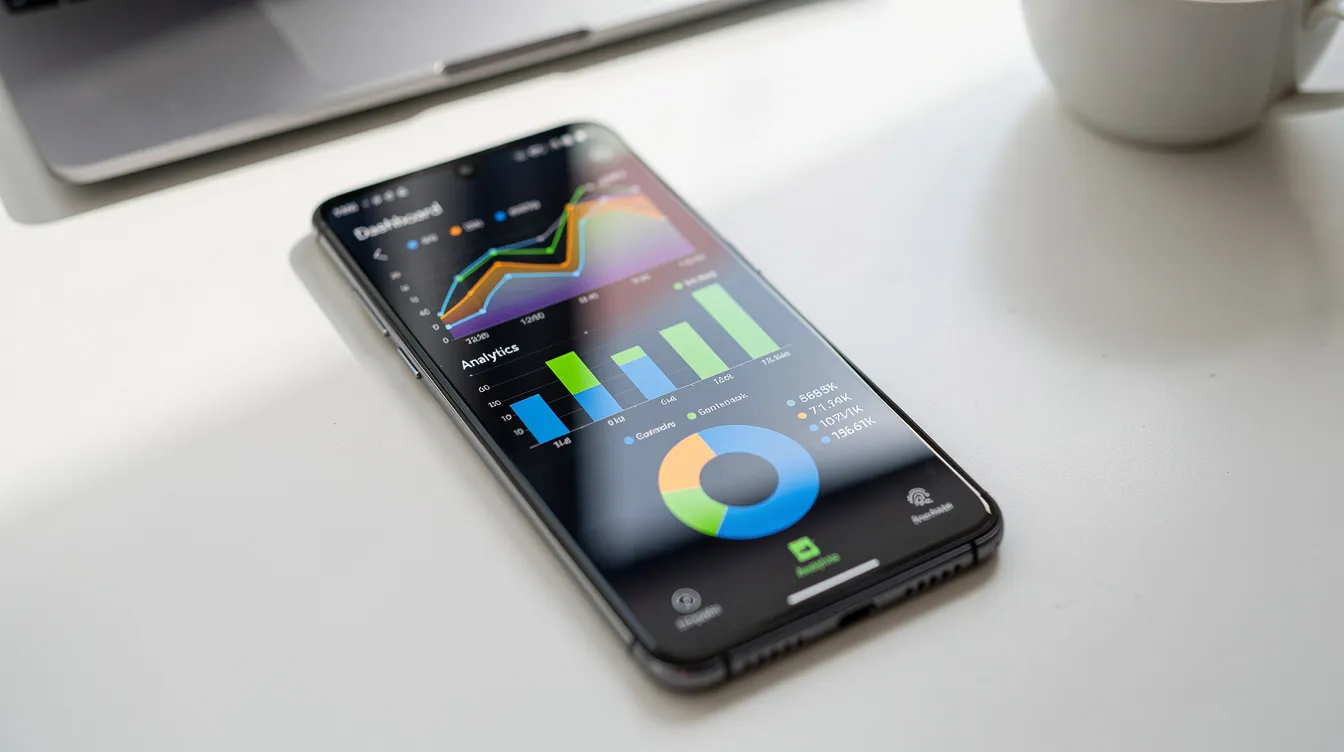
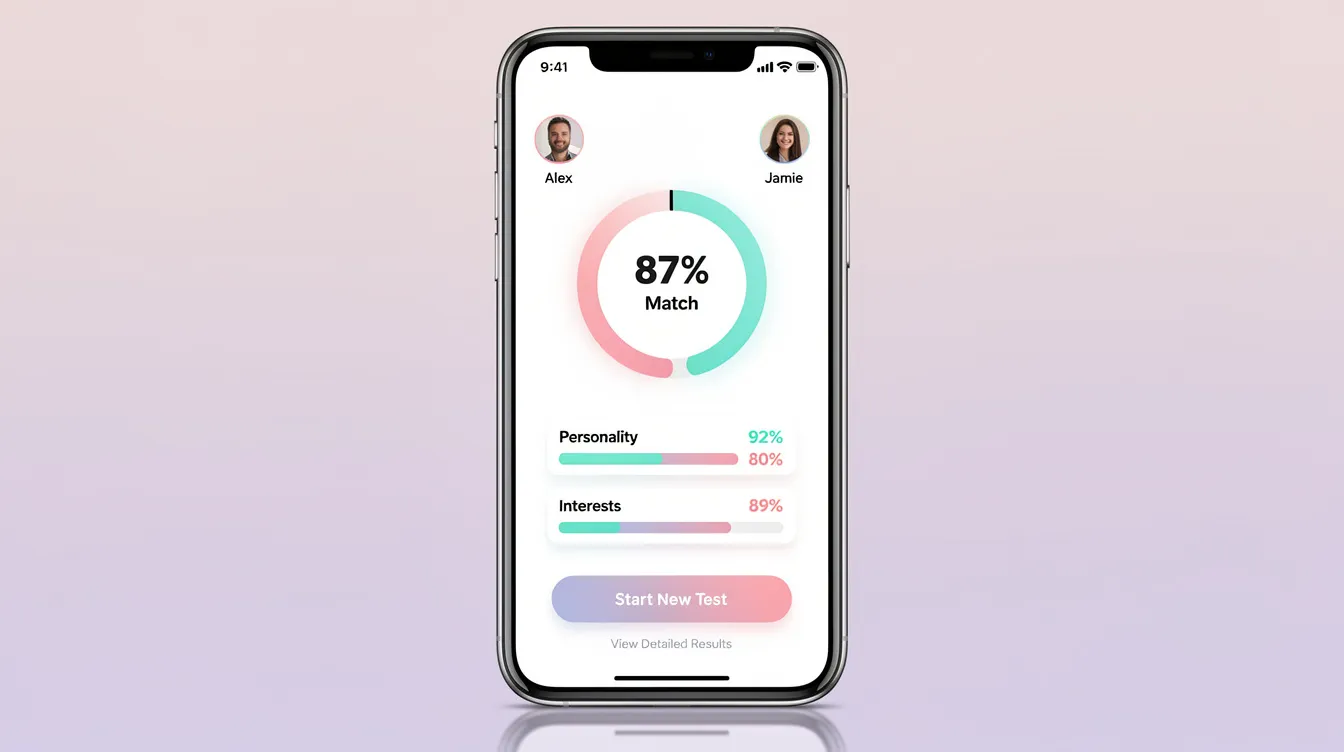
When I opened my compatibility report, the first thing I noticed was that this wasn’t a simple compatibility score like the love meters I’d taken as a teenager. The results were broken into multiple dimensions, each with specific observations drawn from how we’d answered questions and how we’d communicated with each other.
The personality compatibility section addressed introvert/extrovert balance, decision-making styles, and emotional expression. According to the analysis, Alex and I were both moderately introverted with a strong preference for one-on-one connection over large group settings. We both tended toward reflective rather than impulsive decision-making, which the system flagged as a positive alignment. The report noted that we were likely to process disagreements similarly—taking time to think before responding rather than reacting in the moment.
Lifestyle Alignment
Lifestyle alignment covered social habits, work-life balance, and long term goals around things like travel and where we wanted to live. Here, the results showed strong overlap: we both valued personal time, preferred low-key weekends over packed social calendars, and expressed interest in staying in urban environments. The one friction area flagged was around spontaneity—I’d described myself as someone who likes having plans, while Alex had mentioned enjoying last-minute adventures. The report didn’t frame this as a deal breaker, just something to be aware of.
Communication Styles
Communication styles analysis is where things got interesting. The AI identified that we both preferred deeper conversation topics over small talk, asked clarifying questions when confused rather than making assumptions, and used humor as a way to build connection. It noted that Alex tended to be more direct in expressing preferences while I leaned toward softer phrasing, which could occasionally lead to misunderstandings if we weren’t careful.
Relationship Expectations
Finally, the relationship expectations section addressed what we each wanted from dating. Both of us had indicated interest in a long term relationship rather than something casual. We had similar views on pacing—neither wanting to rush into exclusivity nor drag things out indefinitely. The system generated compatibility scores for each area but also provided actionable insights about topics to discuss early and potential red flags to watch for.
Unlike a generic love calculator that spits out a percentage and calls it a day, these results felt grounded in actual behavior. They referenced specific patterns—how I described my ideal weekend, how Alex talked about handling stress—and used those to make observations. It felt less like fortune-telling and more like a very attentive friend had analyzed our conversations and given us notes.
Effective Communication Styles
If there’s one thing that separates healthy relationships from the ones that fizzle, it’s effective communication. It’s easy to get swept up in the excitement of a new connection, but real intimacy is built on how you talk—and listen—to each other. Communication styles like active listening, empathy, and assertiveness aren’t just buzzwords; they’re the building blocks of trust and understanding.
-
Active listening means giving your partner your full attention, not just waiting for your turn to speak. It’s about hearing what’s said—and what’s not said—so you can respond thoughtfully.
-
Empathy takes it a step further, allowing you to see the world through your partner’s eyes and validate their feelings, even when you don’t agree.
-
Assertiveness is the art of expressing your own needs and boundaries clearly, without steamrolling your partner or bottling things up.
When couples prioritize these communication styles, they’re better equipped to resolve conflicts, avoid misunderstandings, and deepen their emotional connection. It’s not about never arguing—it’s about knowing how to talk things through in a way that brings you closer. Whether you’re navigating everyday annoyances or bigger relationship challenges, effective communication is the secret sauce that keeps your partnership strong.
The Surprising Insights Before the First Date
Some of what Jeter.ai revealed wasn’t surprising at all. We’d already picked up on shared humor and similar communication styles through our messages. Our common interests had helped lay the groundwork for compatibility, making the initial attraction feel more genuine. But a few findings caught me off guard and genuinely changed how I thought about the upcoming date.
The first surprise was a deep shared value that had never come up in our casual texting. Both of us had mentioned, in our questionnaire responses, that we prioritized maintaining close relationships with family and felt a sense of responsibility toward aging parents. This wasn’t something I’d typically bring up in early dating conversations—it feels too heavy—but knowing we were on the same page about something so fundamental made me feel more optimistic about the potential for a meaningful connection.
The second surprise was the flagged friction point around spontaneity. I’d known I was more of a planner, but I hadn’t realized how strongly Alex valued flexibility. The report suggested this could show up as tension if one person changed plans last minute or if the other insisted on sticking to itineraries. Rather than seeing this as a red flag, I appreciated the heads-up. It gave me something to observe on the date rather than react to blindly.
Jeter.ai also provided conversation starters tailored to our compatibility profile. It suggested we discuss long term life goals early—not in a heavy, interview-style way, but organically through topics like ideal weekends, travel dreams, and career ambitions. It recommended exploring views on work-life balance since that had emerged as important to both of us. These weren’t groundbreaking suggestions, but they helped me feel prepared instead of anxious.
The biggest shift was emotional. Walking into a first date usually feels like a performance: you’re trying to be charming, funny, and interesting while simultaneously evaluating whether the other person is worth your time. Because we’d already uncovered some baseline compatibilities—and some potential friction—I felt like I could relax and be the real you instead of a polished first-date version of myself. We weren’t starting from zero. True love doesn’t require sacrificing independence or personal values; it’s built on authentic connection and mutual respect for each other’s growth.
The First Date: Did the Compatibility Hold Up?
We met at a wine bar in Brooklyn on a Tuesday at 7 p.m. I arrived five minutes early, claimed a corner table, and did the usual nervous rituals—checked my phone, adjusted my hair, reminded myself to breathe. When Alex walked in, there was that initial moment of recognition and mild relief: they looked like their photos, they smiled warmly, and I didn’t immediately want to run.

What surprised me most was how quickly we moved past small talk. Because we’d both seen the compatibility report, we already knew some things about each other that would normally take three or four dates to uncover. AI tools like Jeter.ai help users identify potential matches by analyzing communication styles and personality traits, making it more likely that those first dates lead to meaningful connections. Instead of the standard “so what do you do?” and “where are you from?” loops, we started talking about what we actually cared about: our relationships with family, what we wanted our lives to look like in five years, why we’d both chosen to stay in New York despite the chaos.
The communication styles the AI had flagged felt accurate in person. Alex was direct in a way I appreciated—when I asked if they wanted another glass of wine, they said “I’d rather grab food somewhere, honestly” without hedging. I noticed myself being more careful with phrasing, as the report had suggested. Neither of us seemed to take offense at the other’s style; it just felt like two slightly different approaches that meshed well enough.
About an hour in, the spontaneity friction showed up. I suggested we stay at the wine bar for another drink, and Alex countered with walking to a taco place they loved a few blocks away. My instinct was to stick with the plan—we were comfortable, the table was good—but I caught myself. This was exactly what Jeter.ai had flagged. Instead of feeling annoyed, I laughed and said sure. It ended up being the right call; the tacos were excellent.
Contrast this with previous first dates where I’d been blindsided by mismatched energy. There was the date who seemed laid-back in messages but turned out to be aggressively career-obsessed in person. There was the one who’d said he wanted a relationship but spent the whole dinner talking about keeping things casual. Those dates left me feeling duped. This one felt honest from the start because we’d both done the work of figuring out compatibility before meeting.
To be clear, the AI couldn’t predict everything. There’s no compatibility quiz in the world that can tell you whether you’ll feel physical attraction or that specific spark of chemistry that makes you want to see someone again. What it did was increase the odds that, if chemistry existed, it wouldn’t be sabotaged by fundamental mismatches in values or communication patterns. The foundation for a deeper connection was already there.
Building a Strong Foundation
Building a strong foundation is at the heart of every healthy, lasting relationship. Whether you meet someone through a dating app, a chance encounter in person, or a video chat introduction, relationship compatibility goes far beyond initial physical attraction. It’s about making sure you and your partner are truly on the same page—sharing similar values, life goals, and communication styles that set the stage for a meaningful, long term connection.
In today’s world of online dating, it’s easy to get swept up in profiles and first impressions. But a strong foundation is built on more than just witty banter or a great photo. It starts with a genuine effort to understand each other’s personality traits, interests, and what really matters in life. This means having honest conversations about your values, discussing your long term goals, and being open about your preferences and deal breakers. Tools like compatibility quizzes or AI technology can offer unique insights into your relationship dynamics, helping you identify areas of strength and potential growth before you invest too deeply.
Mutual respect and trust are non-negotiable pillars of a lasting relationship. When both partners are committed to open communication and actively listen to each other, it becomes much easier to address issues as they arise. Life will inevitably throw challenges your way—career changes, family dynamics, or unexpected life events—but couples who have built a strong foundation are better equipped to navigate these together. Practicing empathy, being willing to adapt, and supporting each other’s growth all contribute to a relationship that makes sense for both people involved.
It’s also important to remember that building a strong foundation is an ongoing process. What works for one couple may not work for another, and every relationship will have its own unique set of challenges. The key is to focus on what matters most to you and your partner, and to be authentic in your interactions—whether you’re chatting online, meeting in person, or exploring your compatibility through a video chat. Being genuine not only attracts potential partners who share your values, but also sets the stage for a deeper connection that can stand the test of time.
Evaluating Long-Term Potential
Let’s be honest: swiping right is easy, but building a lasting relationship takes a lot more than matching on a dating app. Evaluating long-term potential means looking beyond the surface to see if you and your partner share the values, life goals, and compatibility scores that make for a strong foundation.
-
Shared values—like your views on family, commitment, or what makes life meaningful—are the glue that holds couples together when things get tough.
-
Life goals, whether it’s career ambitions, travel dreams, or where you want to put down roots, can either align beautifully or become sources of tension down the road.
-
Compatibility scores can offer a more objective look at how well your priorities and visions for the future line up, based on your answers to thoughtful questions.
By taking the time to discuss these big-picture topics early on, you can avoid surprises and make informed decisions about your relationship. It’s not about finding someone who’s identical to you, but about making sure you’re building toward the same kind of life. When you’re on the same page about what matters most, you’re setting yourselves up for a relationship that’s not just exciting now, but sustainable for the long term.
Why Relationship Compatibility Testing Is Becoming Popular
My experience with Alex isn’t unique. There’s a growing movement toward what some dating experts call “compatibility-first dating”—the idea that you should understand potential partners’ values, communication styles, and relationship expectations before investing significant time. Increasingly, people are also seeking partners with the same intentions, whether that means casual dating, long-term commitment, or specific lifestyles, to ensure a better chance at genuine compatibility.
Part of this shift is driven by sheer exhaustion with the traditional dating app model. A Pew Research study found that about half of current and recent online daters report that the experience left them feeling more frustrated than hopeful. The endless swiping, the surface-level conversations, the first dates that go nowhere—it adds up. People are looking for ways to be more intentional about who they spend their time on.

A wide range of dating apps now cater to different needs and preferences. Hinge is recommended for busy professionals due to its straightforward design and thoughtful prompts that facilitate connections. Bumble empowers women to send the first message and also offers options for finding friends and networking. The League focuses on connecting ambitious individuals, requiring an application and wait-list for membership. Inner Circle is an elite app that emphasizes quality and authenticity, carefully screening profiles to maintain a limited community. Plenty of Fish has evolved to include features like livestreaming and dating games to enhance user experience. Feeld is designed for open-minded individuals interested in exploring ethical nonmonogamy and kink. Coffee Meets Bagel offers a curated community with daily batches of matches based on user preferences. Zoosk uses a proprietary Behavioral Matchmaking engine that learns user preferences over time to provide smarter matches. Muzz is a free Muslim dating app that helps singles find partners who respect their religious beliefs. Christian Mingle is a dating site for single people seeking Christianity-centered relationships, with a large user base. Jdate pairs Jewish singles with others who share the same faith and values, facilitating thousands of romances and marriages. Dating apps can be incredibly safe if users are aware and trust their instincts, and it’s important to avoid sharing sensitive information.
AI dating compatibility tools address this by shifting focus from quantity to quality. Instead of matching based on photos and zip codes, platforms like Jeter.ai analyze communication patterns, personality traits, and stated values to generate compatibility scores that actually mean something. The technology has improved dramatically; AI can now identify relationship dynamics and predict compatibility with accuracy that would have seemed like science fiction five years ago.
This is different from the novelty love meters and love calculator quizzes that have been around since the early internet. Those tools were fun but ultimately meaningless—they couldn’t actually predict whether two people would get along. Modern AI compatibility tests use language analysis, behavioral data, and psychological concepts to surface unique insights about how two people might interact. They’re part of a larger trend of using AI technology for relationship education, mental health support, and emotional self-awareness.
For people who are serious about finding a compatible partner rather than just endless swipes, this approach makes sense. AI compatibility tools help users find the right match for their relationship goals by focusing on deeper compatibility and shared intentions. It’s not about removing the human element from dating—it’s about giving that human element better information to work with.
When Compatibility Tools Help Most
Not every dating situation calls for a formal compatibility test. But there are scenarios where testing compatibility before meeting can save significant time and emotional energy.
-
Before a first date with someone from a dating app: When you’ve been texting but aren’t sure if your lifestyles actually align. This is exactly the situation Alex and I were in. We liked each other’s messages, but messages don’t reveal everything. The compatibility analysis helped us skip the guessing game and walk in with mutual respect for what we each wanted.
-
Long-distance connections: If you’re considering investing in flights, time off work, and the emotional weight of a video chat relationship before meeting in person, it makes sense to understand whether you’re truly on the same page about relationship styles and long term compatibility. The Jeter AI Compatibility Test can provide clarity on communication compatibility and shared vision before you book that plane ticket.
-
Dating after divorce or a major breakup: Compatibility tools help identify whether you’re repeating old patterns. If your last relationship failed because of misaligned life goals or attachment styles, a compatibility analysis can flag whether a new connection has similar friction zones. It encourages users to be intentional rather than reactive.
-
If you want a serious, lasting relationship: Early compatibility testing acts as a filter. Instead of waiting until you’re emotionally invested to discover they don’t want the same things, you can address issues early—or choose not to meet at all.
The key is treating these tools as conversation starters, not final verdicts. A compatibility quiz doesn’t replace honest communication; it enables it. The best use of these insights is to spark discussions about values, expectations, and potential relationship challenges before they become actual problems.
Avoiding Common Pitfalls
Ignoring Red Flags
Even the most promising relationships can stumble if you’re not careful about avoiding common pitfalls. One of the biggest mistakes couples make is ignoring red flags. Common red flags include:
-
Lack of mutual respect
-
Repeated dishonesty
-
Fundamental differences in core values
It’s tempting to overlook deal-breakers in the early stages, but sweeping these issues under the rug rarely leads to a lasting connection.
Lack of Communication
Another common pitfall is failing to communicate openly about expectations and boundaries. When couples don’t talk about what they want or need, misunderstandings and resentment can build up over time. Prioritizing honest communication, even when it’s uncomfortable, is key to building trust and addressing issues before they become major problems.
Importance of Mutual Respect
Finally, don’t underestimate the importance of mutual respect. Healthy relationships are built on a foundation of respect for each other’s feelings, choices, and individuality. By staying alert to red flags, being clear about your deal-breakers, and keeping the lines of communication open, you give your relationship the best chance at lasting happiness. Remember, it’s not about avoiding all conflict—it’s about facing challenges together, with respect and understanding.
Final Thoughts: Should You Test Compatibility Before a Date?
Looking back, testing compatibility before the first date didn’t kill the magic. It actually made magic more possible.
By the time Alex and I sat down at that wine bar, we weren’t strangers guessing at whether our values aligned. We already knew we wanted similar things from a long term relationship. We knew our communication styles were different but complementary. We knew where the potential friction zones were and could watch for them instead of being blindsided. That foundation let us focus on the fun part—getting to know each other as people, not just profiles.
AI tools like the Jeter AI Compatibility Test go beyond a gimmicky love meter or love test by grounding their insights in real behavior, communication patterns, and stated values. They can’t guarantee a relationship will work—nothing can—but they can save you from wasting time on connections that were never going to go anywhere. For people experiencing dating burnout, that efficiency matters.
My advice: treat compatibility results as a strong foundation for deeper conversation, not a verdict. The AI can tell you that two people have potential for a meaningful cThe AI can tell you that two people have potential for a meaningful connection, but only you can determine whether the chemistry is there when you finally meet in person.
The goal isn’t to find a perfect match—that doesn’t exist. It’s to make smarter bets about who’s worth your time and emotional energy. To better understand how AI tools can assess romantic compatibility before you date, check out the Jeter AI Compatibility Test.
As for Alex and me, we’re still seeing each other. That first date turned into a second, then a third. The friction around spontaneity has shown up a few times—I still prefer plans, they still like surprises—but knowing it was there from the beginning made it easier to talk about instead of fight about. We’re taking things at a pace that feels right for both of us, which is all you can really ask for.
If you’re tired of the guessing game and ready for more intentional dating, tools like Jeter.ai can help you understand compatibility before your next first date. Learn more about why you should take a compatibility test before a first date. Just remember: the best relationships aren’t built on compatibility scores alone. They’re built on honest conversation, mutual respect, and the willingness to show up as your true self. The technology just makes it a little easier to find someone worth showing up for.
The test we took included thoughtful prompts and questions similar to those found in the 100 compatibility questions for couples: the ultimate pre-commitment checklist, which helped us explore important topics early.
Understanding the difference between compatibility vs chemistry before the first date is key to reducing dating burnout and making better choices about who to meet in person.onnection, but only you can determine whether the chemistry is there when you finally meet in person. The goal isn’t to find a perfect match—that doesn’t exist. It’s to make smarter bets about who’s worth your time and emotional energy.
As for Alex and me, we’re still seeing each other. That first date turned into a second, then a third. The friction around spontaneity has shown up a few times—I still prefer plans, they still like surprises—but knowing it was there from the beginning made it easier to talk about instead of fight about. We’re taking things at a pace that feels right for both of us, which is all you can really ask for.
If you’re tired of the guessing game and ready for more intentional dating, tools like Jeter.ai can help you understand compatibility before your next first date. Just remember: the best relationships aren’t built on compatibility scores alone. They’re built on honest conversation, mutual respect, and the willingness to show up as your true self. The technology just makes it a little easier to find someone worth showing up for.


