


Let’s be real: dating for over 30s hits different. Gone are the days of swiping through endless profiles for vibes alone or tolerating situationships that go nowhere for nine months. In your 30s, you’re asking bigger questions—who do I actually want to build a life with? What are my non-negotiables? And how do I stop wasting time on people who aren’t aligned with where I’m headed?

If you’ve been feeling like dating apps are a second job and organic meet-cutes are basically extinct, you’re not imagining things. But here’s the good news: dating in your 30s isn’t harder—it’s just different. And with the right strategy, it can actually be way more efficient than the chaos of your 20s.
Introduction to Dating in Your 30s
Dating in your 30s is a whole new adventure—one that comes with its own set of perks and challenges. By this stage, most people have a clearer sense of who they are and what they want, both in life and in a partner. The dating pool may feel smaller than it did in your 20s, but it’s often filled with singles who are more intentional, self-aware, and ready for meaningful connections. Thanks to the evolution of online dating, meeting potential partners is more accessible than ever. Whether you’re exploring dating apps for the first time or returning after a hiatus, platforms like Hinge, Bumble, and OkCupid offer a variety of ways to connect—whether you’re interested in casual dating, serious relationships, or something in between. Each dating site or app has its own vibe, so you can find the right fit for your dating goals. The best part? You’re surrounded by people who are also looking for genuine connections, making it easier to find someone who matches your energy and intentions.
Why Dating After 30 Feels So Different (and What Still Works)
Dating after 30 feels like a completely different game because, well, it is. You’re not the same person you were at 23, and neither is your dating pool. As a single person in your 30s, you may notice unique challenges and opportunities compared to your younger years, with the dating pool often consisting of other single people who are also navigating career, family, and personal growth. The stakes feel higher, but that’s because you finally know what you’re looking for.
Here’s what the data tells us about dating for over 30s in 2026:
Marriage is happening later than ever. According to U.S. Census Bureau data, the median age at first marriage reached 30.2 for men and 28.6 for women in 2023, with projections for 2026 suggesting around 30.5 for men and 29.0 for women due to economic pressures and delayed family formation.
Online dating dominates, but usage shifts.Pew Research Center found that while 53% of U.S. adults under 30 have used dating apps, that number drops to 38% for those 30-49. Yet a striking 39% of couples meeting online in 2025-2026 were in the 30-39 age bracket, per Stanford’s How Couples Meet and Stay Together study.
Your priorities have legitimately changed. Career stability often means 40-50 hour workweeks with less flexibility for spontaneous nights out. Friend groups contract as peers marry or relocate—70% of 30-somethings report fewer single friends, per a 2025 YouGov poll. And energy limits are real: eHarmony’s 2026 internal data shows 62% of 30+ users prioritize shared values like family planning over physical attraction. Many singles in their 30s report feeling more comfortable in their own skin, which allows for more direct communication and less game playing.
Common 30+ realities shape how you date. Divorce rates peak around age 30, with 42% of first marriages ending within 10 years per CDC National Center for Health Statistics 2024 data. Add co-parenting logistics, relocation for career (15% annual mobility among professionals per U.S. Bureau of Labor Statistics), and burnout from years on dating apps—78% of users over 30 report app fatigue, per a 2026 Glimpse Group survey.
“Almost-relationships” feel even more exhausting. You don’t have the bandwidth for another 9-month situationship with someone who “doesn’t know what they want.” Values like kids (55% of 30-34-year-olds are childless but desire them, per 2025 General Social Survey) or financial alignment become non-negotiables, not nice-to-haves. Clear communication of intentions is vital in dating to avoid wasting time.
Chemistry alone won’t cut it anymore. This is where compatibility-first dating comes in—pre-assessing alignment on core life domains before emotional investment. Studies from the Journal of Marriage and Family (2024) show couples with high value congruence report 25% higher satisfaction rates. If you want to dig deeper into what compatibility actually means beyond surface-level chemistry, check out this guide on what dating compatibility really is.

The good news? Timeless strategies still work. Mutual vulnerability still builds bonds. Showing up authentically still matters. But now you have tools that can quantify compatibility early—so you’re not discovering dealbreakers six months in.
The Truth: 10 Ways Dating in Your 30s Is Not Like Your 20s
Dating post-30 exists in this weird paradox: it feels both calmer and higher-stakes at the same time. You have more emotional tools, more self-awareness, and way less tolerance for nonsense. But you’re also acutely aware that your time and energy are finite.
Here are the real truths about what changes:
You have less time and energy, so you screen harder pre-date. Bumble’s 2026 internal metrics show 30+ daters spend 40% less time swiping but 2x longer vetting profiles. Quality over quantity becomes the strategy because you literally cannot afford to go on three mediocre first date outings per week.
You’re more direct about wanting (or not wanting) kids. OkCupid’s 2025 data reveals 68% of women over 30 explicitly state family desires in bios versus 32% under 30. The fertility timeline is real, and dancing around it wastes everyone’s time.
You’re less tolerant of flaky behavior and bad communication. Hinge’s 2026 user behavior report shows 75% of 30+ users unmatch after just one cancellation. Inconsistency isn’t mysterious anymore—it’s just annoying.
Emotional safety matters more than drama. The APA’s 2024 findings indicate 30+ adults increasingly seek potential partners who enhance mental health amid rising anxiety rates (35% prevalence). You want stability, not someone who makes your nervous system spike.
Your social circle has shrunk. Gallup 2025 polls show only 12% of 30-39-year-olds meet partners through friends versus 28% in their 20s. Your friends are coupled up, moved away, or just as busy as you. Organic meet-cutes are rarer.
Dating apps feel like a second job without filters and tools. App fatigue is real—82% of 30+ users report burnout per a 2026 Pew update on swipe culture. Psychologist Barry Schwartz’s paradox of choice applies here: endless options don’t make choosing easier; they make it exhausting. This is why AI dating apps transforming compatibility-driven dating are gaining traction.
Your standards are higher—but that’s not the same as being picky. eHarmony’s 2026 data reveals 30+ users have 15% higher success rates when prioritizing compatibility. Higher standards mean long-term alignment, not superficial perfection.
Past baggage demands transparency. Ex-entanglements, divorce recovery, co-parenting schedules—these aren’t secrets to hide. They’re logistics to communicate early.
Physical attraction yields to lifestyle fit. You can find someone hot who also respects your bedtime, your career, and your need for alone time. The bar is higher because it should be.
Self-awareness prevents settling. Therapy uptake hits 50% among 30-somethings per APA 2025 stats. You know yourself better, which means you can identify when something isn’t working—and you’re more willing to walk away.
Your elevated standards aren’t rigidity. They’re wisdom accumulated from experience, and they’re the foundation for building real relationships that last.

Where to Actually Meet People in Your 30s and Expand Your Dating Pool (Online and Offline)
“Everyone is either married or never leaves their house.” Sound familiar? It can genuinely feel like the dating pool has evaporated by your 30s. But here’s what the data actually shows: 2026 U.S. Census data reveals 45% of 30-39-year-olds remain single, with roughly 12 million actively dating per General Social Survey extrapolations.
The singles interested in meeting someone exist. You just need to know where to find them.
Online: Working smarter, not harder
Online dating still dominates for this age group—but the approach shifts. Instead of swiping on everything, 30+ daters optimize with intention:
eHarmony remains popular for marriage minded singles (90% of users are over 30, with 2 million U.S. relationships formed per site claims). It’s one of the best dating sites for people who know they want commitment.
EliteSingles attracts 85%+ college-educated users, with 90% over 30—ideal for matching with a prospective partner who shares your ambition.
Hinge has the highest first-to-second date conversion at 65% for 30s users per 2026 reports. Many users report it’s a popular dating app for serious relationships.
Bumble puts empowering women at the center with its women-message-first model, and 35% of users are 30+.
Match uses a matching algorithm refined for long-term connection, with detailed profiles that go beyond surface preferences.
OkCupid generates 91 million annual matches and lets you filter by lifestyle preferences and values, while also being recognized as an inclusive space for LGBTQ+ users and those seeking a welcoming, diverse environment.
HER is another inclusive space, specifically designed for queer women, non-binary people, and others looking for nonheteronormative connections.
Many platforms also cater to different dating goals. For example, some apps are popular among casual daters who prefer informal or non-committal relationships, offering relaxed and fun experiences without the pressure of serious commitments.
Single parents often face unique challenges in dating, such as finding partners who respect their responsibilities and understand the complexities of parenting. Apps like Stir cater specifically to single parents, allowing them to connect with others who share similar parenting experiences and challenges.
The key is using filters intentionally. Strategies include profile filters for intent and AI tools for pre-screening—reducing swipes by 50% while boosting quality matches. Tools like Jeter AI add a compatibility-first layer, and the compatibility test helps you understand how it works to map values before you even meet.
Offline: Where 30-somethings are actually meeting people
Online isn’t the only game. In fact, diversifying makes all the difference:
Gyms and fitness classes. A 33-year-old in a local ceramics studio bonds with someone over shared creative interests. HCMST 2026 data shows 18% of 30+ couples met via activities like this.
Rec leagues and sports. A 36-year-old joins a language exchange in Brooklyn and sparks a connection with someone practicing French.
Coworking spaces and professional mixers. About 10% of relationships start in professional environments where you’re already showing up as your competent self.
Niche hobby clubs. Book clubs, cooking classes, board game nights—these attract people with shared interests and available time.
Local Meetups. The platform saw 20% growth in 30+ events per 2026 data. Check out Jeter AI singles events near me for curated options.
Volunteering. VolunteerMatch studies show a 15% success rate for meaningful connections formed through shared service.
Travel groups. A 32-year-old Londoner meets someone on a group tour; a 38-year-old Austinite connects at a hiking club.
Using organized social clubs or recreational activities can foster shared interests and organic connections.

The optimal approach? Diversify your “meeting funnels”: 2-3 apps max, plus 2-3 recurring IRL spaces. A 2025 eHarmony longitudinal study showed this combination leads to 30% higher success. Think: weekly yoga class, monthly board game Meetup, one dating service on your phone.
Using Compatibility-First Dating to Stop Wasting Time
Here’s the uncomfortable truth: chemistry ignites but falters without alignment. You can have a phenomenal first date—incredible banter, undeniable physical attraction—and still discover three months later that they never want kids and you absolutely do. Or that they’re drowning in debt while you’re a meticulous saver. Or that their political views make your stomach turn.
At 30+, these aren’t minor incompatibilities. They’re fundamental mismatches that Gottman Institute 2024 research shows cause 40% of breakups. Dating experts consistently recommend that singles over 30 prioritize compatibility, career stage, and intention to avoid these pitfalls.
What is compatibility-first dating?
Compatibility-first dating inverts the traditional script: assess values, life goals, and non-negotiables first—then pursue chemistry. This approach slashes ghosting by 35% and dead-end flings by 50% per eHarmony’s algorithm outcomes. Many dating platforms use a matching process powered by algorithms to identify compatible matches, especially for users over 30 who are seeking long-term relationships.
It’s about understanding what dating compatibility actually means before you’re emotionally invested. You can learn how to know if you’re compatible with someone and even how to know you’re compatible before you even meet using smart signals.
Compatibility categories that matter most for 30+ daters:
Long-term goals (marriage and kids timelines). A 2023 study in the Journal of Personality and Social Psychology found aligned couples report a 65% satisfaction boost. If you want marriage in two years and they’re “not sure,” that gap matters.
Work-life balance. Remote versus hybrid versus office mismatches end 25% of relationships. Your daily rhythms need to align.
Money attitudes. Shared financial views predict stability—couples with aligned money values have 70% lower divorce rates per a 2024 Utah State University study.
Sex and intimacy expectations. Mismatched libidos and differing views on physical affection create long-term friction.
Mental health priorities. With 40% of 30-somethings in therapy, finding someone who values emotional wellness matters.
Religious and spiritual views. These shape everything from how you raise kids to how you spend Sundays.
Geography and relocation willingness. Are you both rooted, or is one of you itching to move?
For example, eHarmony uses a detailed personality test as part of its matching process to provide matches with high compatibility scores, which is often favored by those looking for marriage.
A 2024 study in the Personal Relationships journal found value-aligned couples are 28% more satisfied and 22% less likely to divorce. Tools like the love test explained guide and love tests hub can help you get clarity on where you stand before investing months.

How to Talk About Values, Kids, and Commitment Without Killing the Vibe
At 30+, you can’t afford to waste six months on someone who “doesn’t know if they want kids” or “is just seeing what happens.” But you also don’t want to walk into a coffee shop date clutching a clipboard of interview questions. Clear communication and intentional conversations are key to improving your love life in your 30s, helping you build meaningful connections and avoid misunderstandings.
The goal is clarity without interrogation energy. Here’s how to get there:
1. Bring up values through stories and hypotheticals. Instead of “Do you want kids?” try: “My sister just had a baby, and it’s wild watching her adjust. It’s made me think a lot about whether that’s something I want someday. What about you?”
You’re opening a door, not conducting a personality test.
2. Ask about relationship goals on apps and early dates. On apps: “Hey, I’m definitely team long-term—is that your lane too, or are you more in exploration mode?”
On dates: “Hypothetically, where do you see yourself in five years? Kids, city life, total career pivot?”
Check out asking about values without making it weird for more scripts that don’t sound like HR interviews.
3. Share your non-negotiables clearly but kindly. “I’ll be upfront—kids are definitely something I want. Totally understand if that’s not where you’re at, just want to put it out there early.”
This isn’t aggressive. It’s respectful of both your time. You can also reference questions to ask before a date and questions to ask before a first date for more ideas.
4. Listen for hidden red flags in evasive answers. When someone dodges direct questions repeatedly (“I don’t know, I’m flexible, whatever happens happens”), that evasiveness signals 60% misalignment per 2025 dating coach surveys. Pay attention to what they don’t say.
Example scripts that actually sound natural:
“I’m pretty upfront about wanting something serious—does that track with what you’re looking for?”
“Random question: if you could design your ideal life five years from now, what would it look like?”
“I’ve been on enough dates to know I’d rather just be honest about what I’m looking for. For me, that’s someone who wants a long term relationship and eventually a family. No pressure if that’s not your thing.”
AI tools like Jeter’s compatibility test can front-load these values conversations so you’re not starting from zero every time. You’ll already know where you align before the first message gets sent.

Dealing With Red Flags and “Bad First Date” Signs in Your 30s
In your 30s, you’ve likely experienced enough to recognize when something feels off. The problem is, many people ignore red flags because of chemistry or loneliness. Don’t.
Here are the red flags 30+ daters should never brush off:
Inconsistency. Says one thing, does another. Predicts 80% relationship failure per behavioral research.
Trash-talking exes. Every single ex was “crazy”? That’s not bad luck—it’s a pattern.
Extreme future avoidance. They can’t discuss anything beyond next weekend. At 30+, this signals they’re either unavailable or uncommitted.
Boundary disrespect. You say no, they push. Early boundary violations escalate.
Love-bombing. Excessive attention and premature declarations of love are narcissism proxies, not romance.
“I don’t have time for relationships.” Then why are they on dating apps? This usually means they want convenience without commitment.
Financial recklessness. Poor money habits correlate with 40% higher divorce rates. If they’re drowning in avoidable debt and unconcerned, pay attention.
Substance issues. If drinking or drug use seems problematic early, it rarely improves with time.
Still entangled with an ex. Living with them, constantly texting them, or “figuring things out”—this isn’t your project to manage.
Fake profiles. Many dating platforms have fake profiles filled with bots or scams. Be vigilant and look for verification badges or other signs of authenticity.
Many dating platforms now offer safety tools to help users identify and avoid fake profiles and other online threats, making it easier to date with confidence.
For a deeper checklist, see bad first date signs and how Jeter AI helps you avoid them.
Jeter AI can help filter out misaligned matches before you meet by analyzing values and intent—so you’re investing time in compatible partner options, not missed connections with walking red flags.
Optimizing Your Dating Profile and Messages When You’re 30+
By your 30s, your dating profile needs to communicate more than “I like tacos and The Office.” It should signal your lifestyle, your values, and what you’re actually looking for—because the right people need to recognize you, and the wrong ones need to self-select out. When choosing the best dating app, remember that the right app for you depends on your goals—some platforms have a massive user base for broad options, while others offer an exclusive dating experience tailored to serious relationships or specific communities.
Profile photo strategy for 30+:
Show your real life. Photos of your apartment setup (casually, not weirdly staged), your hobbies in action, your social circle at a dinner party. Upload photos that reflect who you actually are on a Tuesday, not just vacation-you.
Include weekend vibes. Are you at farmers markets or dive bars? Hiking trails or bookstores? Let potential dates see how you spend your time.
Skip the group shots where you’re unidentifiable. One friend photo is fine. Five where no one can tell which person you are isn’t helping.
Bio that signals intent:
Your bio should communicate values, schedule constraints, and relationship status goals without being a wall of text. Some apps cater to casual hookups, casual encounters, or serve as a hookup app, while others are better for serious relationships—be clear about your intentions. If inclusivity is important, note that OkCupid became the first major dating app to offer expanded identity options in 2013, now supporting 22 genders and 13 orientations, making it a popular choice for the LGBTQ+ community. HER is another option designed specifically for LGBTQ+ people, queer women, and non-binary individuals, providing a safe and supportive space. Certain platforms also cater specifically to bisexual men and queer women, so highlight your preferences if relevant. Check out dating profile green flags and how to read a dating profile for compatibility to understand what signals you’re sending.
Example mini-bios for 30-somethings:
For a parent: “Co-parenting adventurer with a 6-year-old who thinks dinosaurs are still alive. Looking for someone family-ready who doesn’t mind Sunday morning pancake chaos. Big on honesty, bad at small talk, great at remembering your coffee order.”
For career-focused: “Remote work means I can take calls from anywhere—usually a coffee shop with good light. Weekends are for hiking, farmers markets, and aggressive brunch opinions. Here for something real, not another ‘let’s see where this goes.’”
For recently divorced: “Fresh chapter energy. Learned a lot about what I want (and don’t). Values-driven, therapy-appreciative, ready to meet someone who knows themselves too. If you’ve done the work, let’s talk.”
Understanding dating bio meaning and what your profile signals helps you craft something authentic rather than generic.
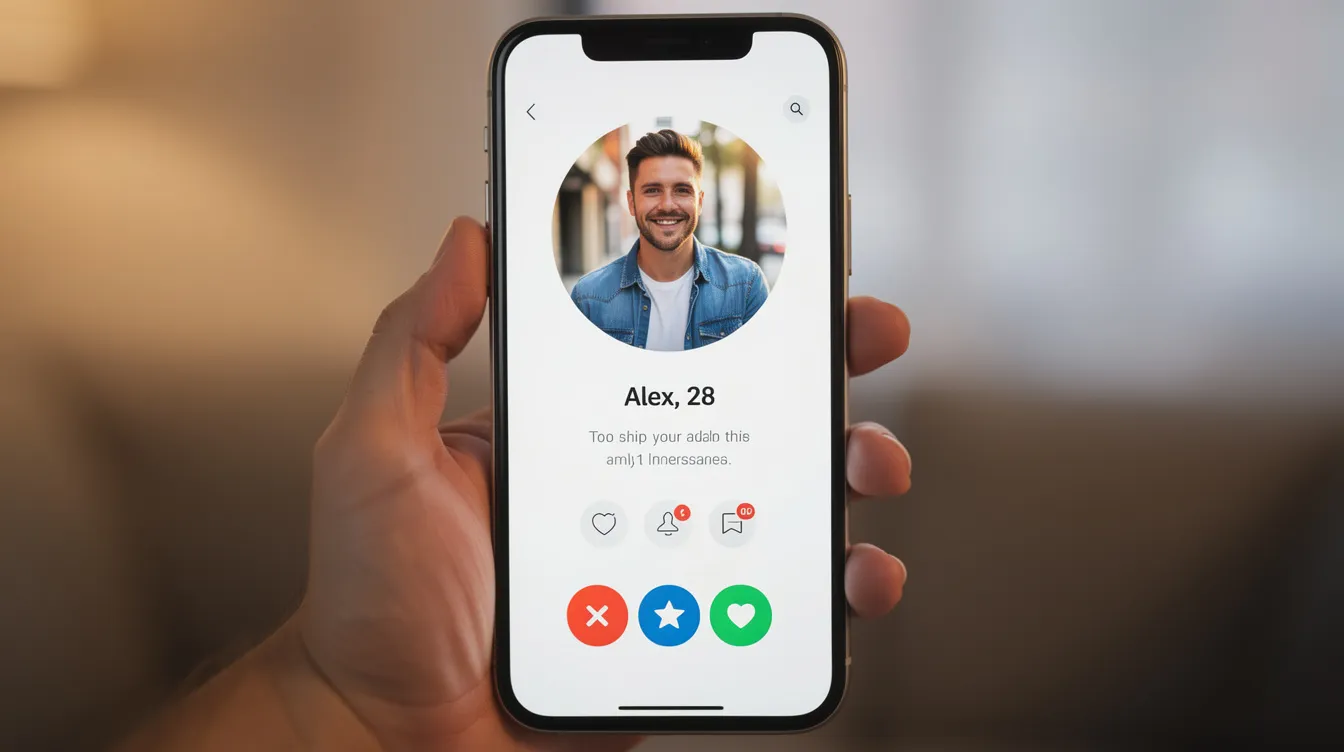
App features, privacy, and messaging:
When setting up your profile, consider privacy options like browse incognito, which lets you view profiles privately. Most platforms offer a free version where free members can create a profile and browse matches, but premium features—such as seeing who liked you or sending unlimited messages—are reserved for paid subscribers. Some dating sites are completely free, offering full messaging and communication at no cost, while others require payment for advanced options. Choosing the right app means balancing your need for features, privacy, and budget.
First message strategy:
Your first message as a 30+ dater should show you actually read their profile. Call back specific details. Propose adult-appropriate dates.
Instead of “hey,” try:
“Okay, your take on [specific thing from their bio] has me curious. Also, there’s this great little bookstore/wine bar combo near [neighborhood]—would you be into checking it out?”
“You mentioned [hobby]. I’ve been wanting to try that. What got you into it?”
For more guidance, read first messages and date quality and how to not sound creepy on dating apps (especially for men). And remember: some people are a bad texter but good in person—don’t write someone off entirely based on texting style alone.
Finally, remember that dating apps are not just for romance—they also serve as social networking platforms, helping you build friendships and connect with communities.
Picking the Right Dating Apps and Tools for 30+ Dating
Stop downloading every free dating app on earth. For 30+ daters, fewer and better is the move. When choosing, keep in mind that the most popular dating app, like Tinder, may have a larger user base, but popularity doesn’t always mean it’s the best fit for singles in their 30s and older.
Quick comparison of top dating apps for this age group:
App | Best For | 30+ User Base | Notes |
|---|---|---|---|
Hinge | Serious dating | Sweet spot for 30s | 65% first-to-second date conversion |
Bumble | Women-led matching | 35% over 30 | Women send unlimited messages first |
Match | Long-term focus | Established user base | Strong matching algorithm |
OkCupid | Detailed matching | Varied | In depth questionnaires |
eHarmony | Marriage-focused | 90% over 30 | Best dating site for commitment |
SilverSingles | Mature dating | 50+ | Recommended for singles over 50 seeking a platform for mature dating |
Top dating platforms for singles in their 30s and older include Hinge, Match.com, eHarmony, Bumble, and SilverSingles.
Why compatibility tools layer on top:
A dating service like Jeter AI works alongside the big apps to help you filter better matches by analyzing values and goals upfront. Check out the AI dating apps guide, best dating apps for intentional dating, and how to use Jeter AI with Tinder/Bumble/Hinge.
The optimal 30+ stack:
1-2 general apps (Hinge + one other) + 1 compatibility tool (Jeter AI) + 1-2 IRL channels (weekly class, monthly event) typically works better than juggling 6+ platforms where you’re spread too thin to actually connect.
Handling App Fatigue, Rejection, and Setbacks Like a Grown Adult
Let’s be honest: by your 30s, your nervous system is tired. You’ve lived through breakups, maybe a divorce, countless ghostings, and the emotional labor of starting over repeatedly. The 82% of 30+ daters who report burnout aren’t exaggerating—online dating can genuinely drain you.
But here’s the flip side: you also have better emotional tools now than you did at 24.
Strategies for sustainable dating:
Set weekly limits on swiping and messaging. 20 swipes per day max prevents doom-scrolling. Many users report this boundary alone reduces burnout significantly.
Rotate between “active” and “maintenance” weeks. Some weeks, you’re going on dates and being proactive. Other weeks, you’re just keeping conversations warm without pressure. This isn’t giving up—it’s pacing yourself.
Treat rejection as information. According to APA 2025 research on resilience, reframing rejection as data about fit rather than proof of inadequacy builds emotional durability. They weren’t right for you. That’s useful information.
Unmatch quickly when values don’t align. Don’t drag out conversations with people who’ve already shown incompatibility. Your time has value.
Take full breaks when needed. Deleting apps for a month isn’t defeat. It’s recalibration.
Research from psychology journals consistently shows that the emotional toll of rejection in online daters correlates with app overuse. Setting boundaries isn’t weakness—it’s strategy.
For deeper insight on patterns that might be tripping you up, read compatibility myths and picking the wrong matches and top mistakes when interpreting Jeter results.
Monthly dating retro:
Try this: once a month, review what worked and what didn’t. Which dates felt aligned? Which conversations drained you? Use a tool like Jeter AI to refine your filters based on what you’re learning about yourself.

Staying True to Yourself While Staying Open
There’s a balance here: holding onto your non-negotiables while staying flexible on surface-level preferences. Height, music taste, exact “type”—these matter less than you think. Shared values and compatible life visions matter more.
Mindset shifts for 30+ daters:
Let go of the “perfect timeline.” The median DINK (dual income, no kids) phase is 5 years per Census data. Your timeline isn’t everyone’s timeline, and rigidity creates unnecessary pressure.
Be open to people outside your usual type. The person you need might not look like the people you’ve dated before. Cross-class, cross-cultural, or even cross-city connections happen all the time for globally connected 30-somethings.
Understand introvert/extrovert dynamics. Opposites can work if you communicate well. Check out the introvert-extrovert relationship guide for what actually succeeds in these pairings.
Consider long-distance if the connection is real. A 2024 Couples Therapy journal study found 58% of long-distance relationships among committed 30+ couples survive and thrive with intentionality.
Your non-negotiables are sacred. Your preferences are negotiable. Know the difference.
How Jeter AI Fits Into Your 30+ Dating Strategy
Jeter AI isn’t replacing the apps you’re already using—it’s adding a compatibility-first layer that helps 30-somethings date more intentionally across any platform or IRL channel.
How it works:
The Jeter compatibility test maps your values, lifestyle, and relationship goals through a comprehensive assessment. Think of it as a personality test designed specifically for dating compatibility.
You can screen potential matches from Tinder, Bumble, Hinge, or any other apps using this guide on using Jeter with other apps.
Women can introduce the test without it feeling like an interrogation—check this guide for women.
Men can avoid sounding creepy or overly intense with the men’s messaging guide.
Additional tools:
Jeter AI love tests offer fun but data-backed compatibility checks for different scenarios.
Crush compatibility tests work well when you’re evaluating a new friends or a potential dates situation.
The technical explainer of the compatibility test breaks down the methodology for the more analytical among us.
Why it exists:
Jeter AI was built to solve modern dating problems—specifically the cycle of chemistry-first connections that flame out when values don’t align. You can learn more about Jeter AI and check pricing—spoiler: it’s cheaper than repeated “bad date” dinners.
The goal isn’t to replace human connection. It’s to help you invest your limited 30-something energy in people who are actually likely to be a compatible partner.
Common Mistakes 30+ Daters Make With Compatibility Tools
Tools are only as good as how you use them. Even with compatibility scores and AI analysis, people still sabotage their own dating scene success.
Mistakes to avoid:
Treating compatibility scores as destiny. A score is guidance, not gospel. High compatibility doesn’t guarantee chemistry; low compatibility in one area doesn’t mean dealbreaker.
Ignoring high compatibility because someone isn’t your “type.” If the values align but they’re not your usual look, give it a chance. Your type hasn’t worked out perfectly so far.
Overreacting to one low-scoring category. Context matters. Someone scoring low on “adventure” might just prefer different kinds of adventure than extreme sports.
Not updating your answers as your life changes. Post-breakup, post-move, post-career change—your priorities shift. Keep your profile current.
For more on this, read top mistakes with Jeter results and how to fix them.
Success Stories and Inspiration
If you need proof that real relationships can blossom in your 30s, look no further than the countless success stories from singles who’ve navigated the modern dating scene. Many have found a compatible partner through online dating, using dating apps to connect with people who share their values and lifestyle preferences. Others have met through shared interests—think rock climbing groups, book clubs, or volunteering for a cause they care about. Some have even stumbled into love at a friend’s dinner party or while chatting with a stranger on a flight. The common thread? They put themselves out there, stayed true to what they wanted, and remained open to new experiences. Whether you’re swiping on a dating app or striking up a conversation at a local event, the key is to be genuine and clear about your intentions. With the right mindset, you can turn missed connections into meaningful connections—and maybe even find your person in the most unexpected place. The dating scene in your 30s is full of possibilities, and your own success story could be just around the corner.
FAQ: Real Questions 30+ Singles Are Asking in 2026
“Is dating really harder after 30, or just different?”
Different. You have more self-awareness, clearer priorities, and less tolerance for wasting time. eHarmony data shows 65% higher success rates for experienced daters who know what they want. The dating scene changes, but so do your tools for navigating it.
“How long should I date someone in my 30s before having the ‘what are we’ talk?”
Match’s Singles in America 2026 report suggests 4-6 dates is typical for exclusivity conversations among 30+ daters, with 70% preferring clarity before month three. If someone resists defining things after significant time investment, that’s information.
“What’s the best way to meet someone if I hate dating apps?”
Meetups (20% of 30+ connections), hobby classes, volunteering, travel groups. Check Jeter AI singles events near me for curated options. The key is recurring participation—showing up once won’t build connections, but weekly consistency will.
“Can long-distance relationships actually work when you’re over 30?”
Yes—58% survive with commitment and intentionality per 2024 Couples Therapy journal research. The success factors: clear timeline for closing the gap, video chat regularly, and aligned long-term goals.
“How do I date again after a divorce or long-term relationship?”
Per CDC data, 42% of first marriages end, but 64% of divorced people remarry—many successfully. Use compatibility tools to avoid repeating patterns. Get clear on what went wrong before, and what you actually need this time. Jeter AI’s values mapping can help clarify what a current partner should (and shouldn’t) look like compared to your ex.

Final Thoughts: Your 30s Are Actually Prime Dating Years
You’re not late. You’re not running out of time. You’re not doomed to bad dates forever.
Your 30s are when you finally know yourself—what you value, what you need, what you absolutely won’t tolerate. That self-awareness isn’t a liability in the dating scene; it’s your biggest asset. Studies consistently show experienced daters who know what they want have 65% higher success rates than those still figuring it out.
The goal isn’t to date faster. It’s to date smarter. Get clear on your values and non-negotiables. Use compatibility-first tools like Jeter AI’s compatibility test to filter before you invest. Mix online dating with intentional offline spaces. Take breaks and protect your mental health—this is a marathon, not a sprint.
Before your next first date, consider taking the compatibility test at Jeter AI. It’s a simple way to understand what you’re actually looking for and evaluate whether potential matches align.
Your person is out there—someone who fits your life, not just your feed. And in your 30s, you’re finally equipped to recognize them when they show up.


