


Dating in NYC has always been a unique challenge. As many as 57% of New Yorkers are single, and the state has the highest number of people who’ve never married in the US. Eight million people, endless options, and somehow it still feels impossible to find a real connection. The crazy pace and expectations of dating in NYC can leave even the most optimistic singles feeling overwhelmed or exhausted. We analyzed 1,000+ dates from Jeter AI users to uncover what actually works in the big apple—and what’s quietly sabotaging your love life. For a deeper dive into how compatibility shapes success, check out How Dating Compatibility Test Works.
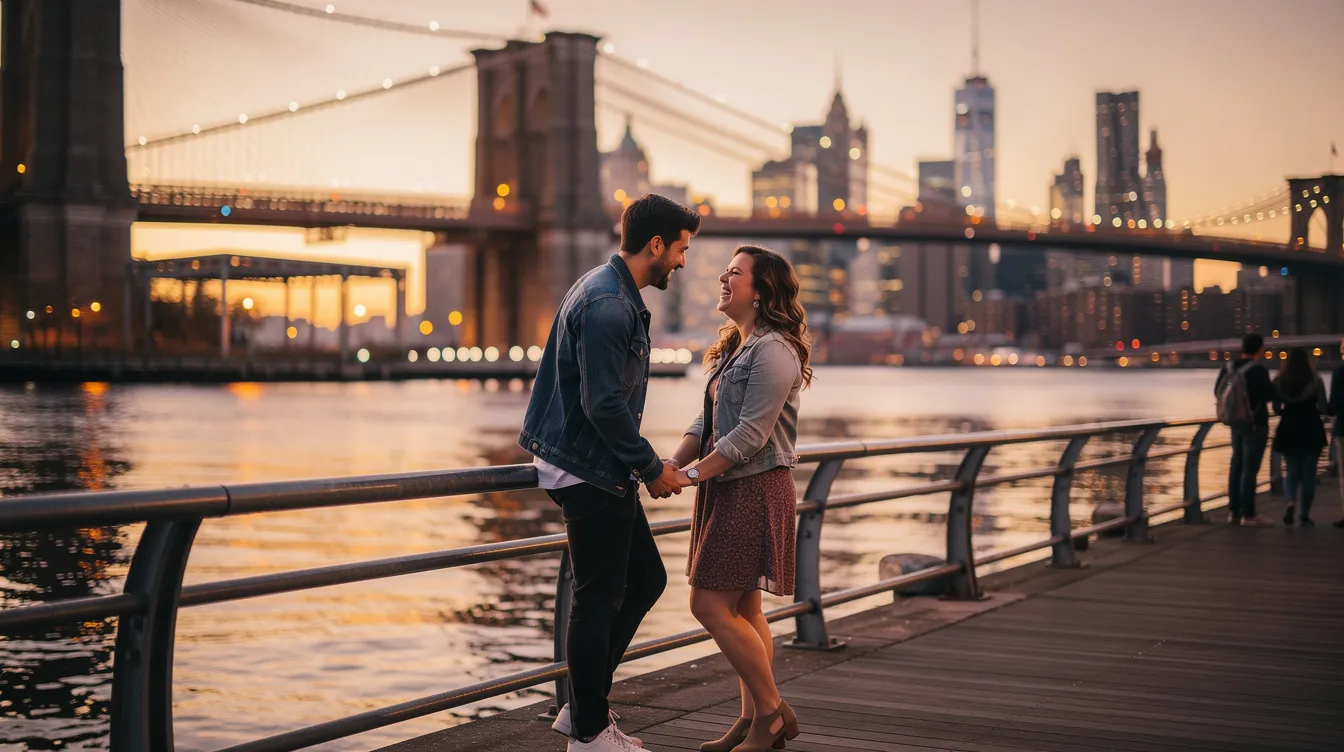
Inside the Experiment: How 1,000 NYC Dates Were Analyzed
Jeter AI aggregated anonymized data from virtual speed dating events, post-date surveys, and 3-to-6-month follow-up check-ins conducted between late 2024 and early 2026. No personally identifying information was used—only patterns. Basically, we looked for patterns in how people meet, connect, and follow up in the NYC dating scene. Learn more about What Is Jeter AI: The Complete Guide to AI-Powered Dating Compatibility 2026.
Demographics breakdown:
- Core age range: 24–45 (Gen Z and Millennials dominant)
- Professions: finance, tech, media, healthcare, creative industries
- Boroughs: 50% Manhattan, 30% Brooklyn, 10% Queens, 10% outer boroughs plus Jersey City/Hoboken commuters
Sample size highlights: | Metric | Count | |——–|——-| | First dates analyzed | 1,000+ | | Second date conversions | ~300 | | Relationships at 3+ months | ~85 |
Important disclaimer: These findings show strong patterns but aren’t a controlled academic study. They complement peer-reviewed research from sources like Pew Research Center and behavioral science studies such as those published in Psychological Science. Our compatibility assessment is free—tokens are only used for shared reports and events. Explore our Compatibility Test to get started.
The State of Modern Dating in NYC
Picture this: packed L trains at 11 PM, DMs firing between meetings, and Thursday night dates double-booked because who knows what might happen. The nyc dating scene in 2026 reflects a city where careers and connection constantly compete.
Over half of NYC adults are single—the highest concentration in the country according to U.S. Census data. Yet a Secret NYC study ranked the city as one of the worst places to date (Secret NYC study). The contradiction makes sense when you consider 60+ hour work weeks in finance and startups pushing dating into late-night windows. The paradox of choice is real here: with so many options, singles often feel indecisive or dissatisfied, which can make it even harder to form meaningful emotional connections.
The shift is clear: casual hookups are out (only 13% of Gen Z women are interested, per a recent New York Times survey), while intentional dating is surging. More singles are openly discussing attachment styles, emotional availability, and communication patterns, empowering them to navigate dating challenges with greater empathy and understanding. At the same time, high-pressure careers and the intensity of city living can exacerbate relationship anxiety, making emotional intelligence crucial for maintaining healthy boundaries and mutual support. Singles increasingly prioritize emotional maturity, values alignment, and lifestyle compatibility over surface-level attraction. The dating culture has evolved—Manhattan bar-hopping feels transactional, with many people focused on the point of exchanging numbers or quick connections rather than building something real. For tips on navigating this scene, see 10 Best Dating Apps for Intentional Dating in 2026. Attracting genuine partners can be challenging amidst all the superficial stuff and fleeting interactions. Many singles are seeking to feel like they’re in ‘first place’ in someone’s life, not just another option in a sea of choices. Brooklyn coffee shop dates and museum walks now signal a desire for depth over the clichéd, exhausting stuff that once defined modern dating expectations. For creative date ideas, explore Date Ideas NYC: 31 Fun, Romantic, Actually Doable Dates in New York City.
The Role of Community in NYC Dating
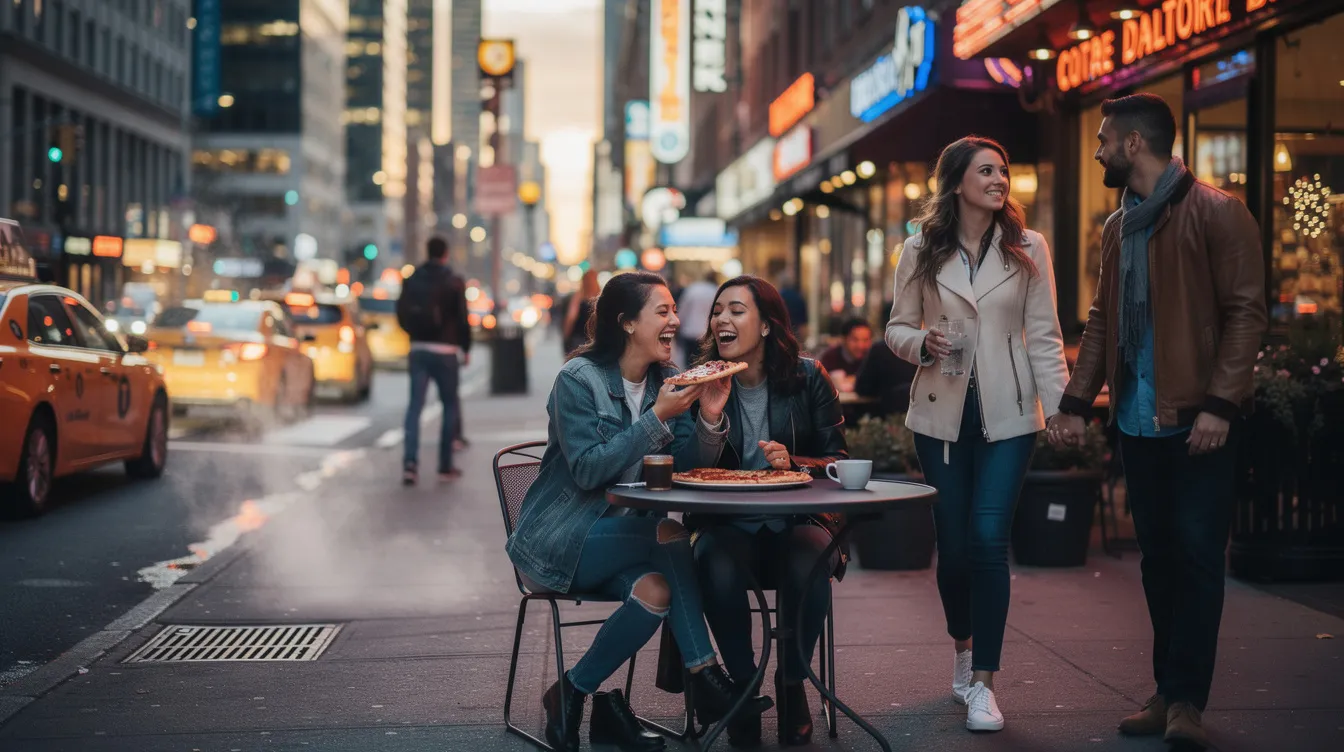
In a city as massive and fast-paced as New York, it’s easy to feel like just another face in the crowd—even when you’re surrounded by millions. That’s where community steps in as a game-changer for the nyc dating scene. While dating apps and endless swiping can make dating feel transactional or even isolating, finding your people through community can transform the entire experience.
Book clubs, shared hobbies, and niche social groups have become lifelines for singles looking to build real relationships beyond the surface. Whether it’s a running club in Central Park, a pottery class in Brooklyn, or a women’s networking event in Manhattan, these communities offer more than just a chance to meet potential partners—they provide a sense of belonging and support that’s often missing from the typical dating scene. For NYC singles eager to find events, check out Singles Events Near Me NYC: Best in 2026.
For many women in NYC, joining female-only groups or attending women-focused events has been a powerful way to connect with like-minded individuals, share stories, and get advice from others who truly understand the unique challenges of dating in the big city. These spaces foster genuine friendships and can even lead to happy relationships, as connections grow organically from shared interests and mutual support. Learn how Women Use Jeter AI to enhance their dating experience.
Ultimately, prioritizing community in your dating life isn’t just about increasing your odds of meeting someone—it’s about building a network that makes the journey more enjoyable and less lonely. In a city where it’s easy to feel disposable, community reminds you that you matter, and that meaningful connections—romantic or otherwise—are absolutely possible.
Key Insight #1: The Paradox of Choice Is Real
Barry Schwartz’s Paradox of Choice research applies directly to nyc dating. Within a 3-mile radius, you have thousands of potential matches. But more options don’t mean better outcomes.
What our data showed:
- Users matching with 60+ people monthly went on fewer actual dates than those averaging 15–25 matches
- Conversion from match to first date dropped by 50%+ as match volume increased
- Participants who pre-selected fewer, more compatible matches reported higher satisfaction
The mindset of “someone better is one swipe away” kills follow-through. In a city with so many people, the grass always seems greener. One guy described it perfectly: “I’d match with 50 women, message 10, meet 2, and still feel like I was missing out.” For strategies to avoid this, see Using Jeter AI Dating Apps: How to Find Better Matches on Tinder, Bumble, and Hinge.
Key Insight #2: First Impressions Decide Everything
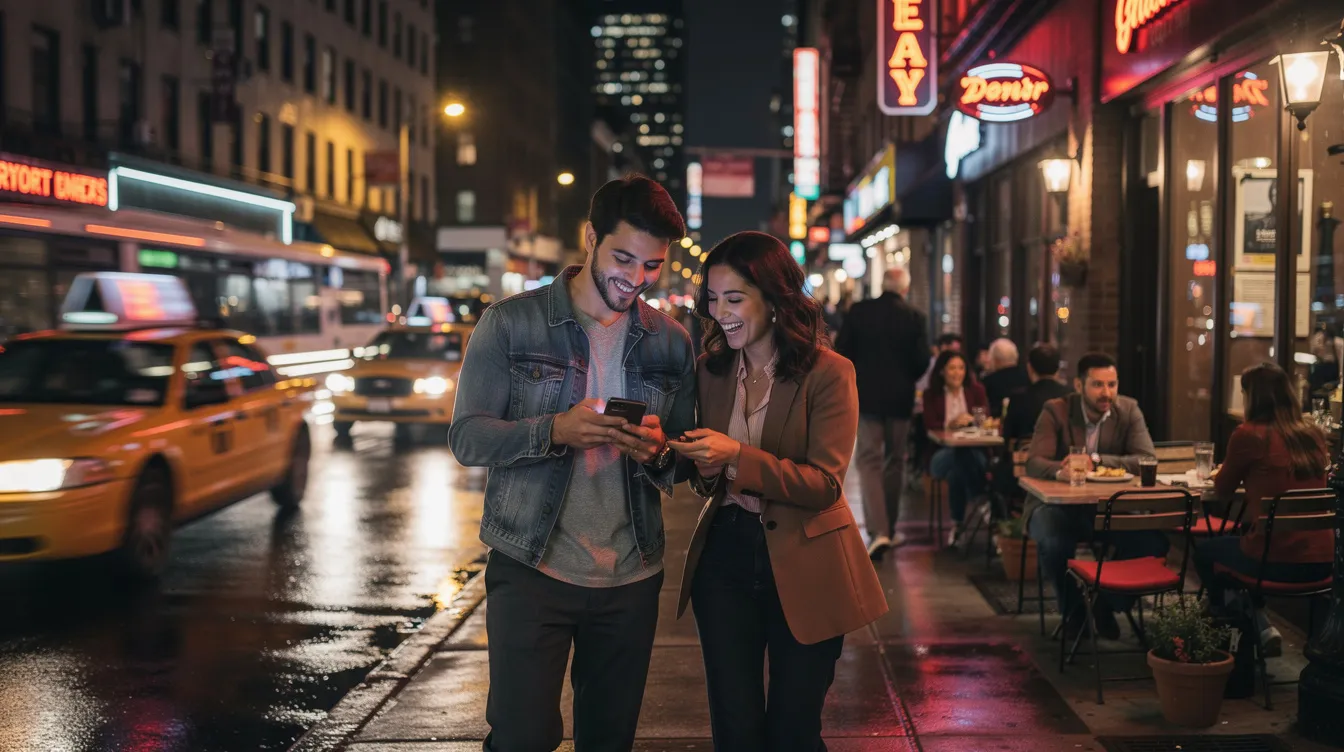
Split-second judgments dominate the nyc dating scene. Time pressure and cognitive load mean you have seconds to make an impact—on apps and in person. The way someone maintains eye contact, leans in, or asks thoughtful questions can be a sign of genuine interest, while distracted glances or closed-off body language may signal disinterest.
Profile quality impact: | Element | Match Rate Impact | |———|——————| | Clear photos + thoughtful prompts | 2–3x higher matches | | Blurry photos + minimal text | Below average | | Personalized openers | 60% response rate | | Generic “hey” messages | 20% response rate |
Time-to-date findings:
- Median: 7–14 days from match to first date in NYC
- Faster transitions (under 7 days) correlated with 2x higher second-date rates
At Jeter AI compatibility events, participants who prepared a concise, authentic intro had measurably higher “would meet again” scores. Your first 5 minutes matter more than you think. For advice on messaging, read How to Not Sound Creepy on Dating Apps: A Guide for Men Using Jeter AI and the Compatibility Test.
Key Insight #3: Most Dates Don’t Lead to Second Dates
Here’s the hard truth: only about 30% of first dates in our dataset led to a second date. That aligns with national benchmarks from Match’s Singles in America study.
Top reasons dates didn’t continue:
- Lack of chemistry (“nothing wrong, just meh”)
- Misaligned relationship goals (casual vs. serious)
- Lifestyle mismatch (schedules, distance, kids)
- Poor communication or social skills
- Ignoring red flags, such as emotional unavailability or toxicity, which often leads to unfulfilling dating experiences
The “meh” factor is particularly brutal. People rarely communicate it directly, which fuels confusion and self-doubt. Brooklyn daters more often cited values/lifestyle misalignment, while Manhattan daters mentioned schedule conflicts.
This low conversion isn’t personal failure—it’s usually poor pre-date screening. When you meet random people without compatibility data, expect mismatches.
Key Insight #4: Intentional Daters Have Higher Success Rates
Intentional daters—those with clear relationship goals, boundaries, and non-negotiables—had 2–3x higher first-date-to-relationship conversion rates.
What high-success NYC daters did differently:
- Limited concurrent chats to 3–5 meaningful conversations
- Stated explicit intentions in profiles (“looking for long-term”)
- Moved to in-person or video dates within a week
- Went on fewer total dates but reported higher satisfaction
- Focused on compatibility signals early (values, lifestyle, goals)
By prioritizing intentional strategies, these daters significantly increased their chances of building a happy relationship, even amidst the fast-paced and sometimes challenging dating culture of New York City.
These patterns align with research on goal clarity reducing dating anxiety. Intentional daters don’t leave connection to chance—they actively screen for meaningful connection potential.

Key Insight #5: Dating App Fatigue Is Affecting Outcomes
Doom-swiping on the subway. Delayed replies stretching into days. Deleting and re-downloading dating apps every few weeks. App fatigue is real, and it’s affecting outcomes. The chaotic, unpredictable shit that comes with online dating in NYC only adds to the frustration for many singles.
Fatigue patterns we observed:
- انخفاض engagement over time (30+ days on a platform = fewer messages, lower reply rates)
- 84% of NYC daters aged 18–42 have been ghosted, per Thriving Center of Psychology
- Typical cycle: intense engagement for 2–3 weeks, then total withdrawal
A 2023 OnePoll survey found 79.5% of Millennials and Gen Z experience app exhaustion, with many reporting emotional burnout from the process. The emotional energy required to maintain hope while swiping through endless profiles leads to cynicism. As one person put it: “Everyone’s flaky. It’s hard to hear that dating is supposed to be fun when every week feels like starting over.” NYC singles are increasingly turning to real-world dating events to escape app fatigue and connect in more authentic ways.
Structured experiences like compatibility-matched speed dating cut through fatigue by eliminating low-quality pre-date chatter. Find such events near you on Singles Events Near Me.
Dating in New York City vs. Other Places
Ask anyone who’s dated in the big apple, and they’ll tell you: the nyc dating scene is a world unto itself. Compared to other cities, dating in new york is defined by its massive, ever-changing dating pool and the relentless pace of city life. Here, endless swiping isn’t just a cliché—it’s a daily reality, with so many people and so many options that it can feel both exhilarating and overwhelming.
Unlike smaller cities where the dating pool might feel limited, NYC offers the chance to meet people from every corner of the world, every industry, and every walk of life. This diversity is a huge draw, but it also comes with its own set of challenges. The pressure to find a partner quickly is real—there’s a sense that if you don’t move fast, someone else will. The dating culture here is competitive, with high expectations and a constant sense of urgency that can make even a coffee shop date feel like an audition.
But this intensity also brings excitement and possibility. In NYC, every night out, happy hour, or community event could lead to a new connection. The city’s energy means you’re always just one conversation away from meeting someone who could change your life. While other cities might offer a slower, more relaxed approach to dating, New York’s scene is all about momentum and opportunity. For singles interested in nightlife, check out Best Bars for Singles in NYC 2026 Guide.
At the end of the day, whether you thrive in the nyc dating scene or prefer the vibe of other cities comes down to personal preference. What’s certain is that dating in new york city is unlike anywhere else in the world—a place where the stakes are high, the options are endless, and the potential for real connection is always just around the corner.
Real Dating Experiences Behind the Data
Success story: Two Brooklyn creatives met at a Jeter AI virtual speed dating night. They scored high on values and communication compatibility, texted for three days, met for drinks in Williamsburg, and were still together at our 6-month follow-up. They said intentionality was key—both knew what they wanted. Meeting through friends or in social settings can also spark more organic and lasting connections, showing that genuine relationships often grow from shared circles and spontaneous moments.
Frustrating pattern: A Manhattan consultant was juggling three apps with high match volume but zero second dates. He felt disposable and burned out. After shifting to compatibility-first dating and events, his last date actually led somewhere. Fewer matches, better outcomes.
Midlife reset: A divorced 40-something in Queens felt invisible on mainstream apps. Women his age seemed overlooked. At curated singles events with compatibility matching, he found partners actually interested in connection over novelty.
Common thread: compatibility + clarity beat pure volume every time.
Expert Breakdown: Why These Patterns Exist
Rebecca Joines Schinsky, Chief of Staff at Boda, notes that Gen Z missed out on learning spontaneous flirting—Millennials remember pre-app dating, but younger daters don’t. This creates inorganic connection patterns.
Behavioral science explains the rest:
- Choice overload: More options reduce satisfaction and commitment (Schwartz, 2004)
- Fear of commitment: NYC’s transient population and career focus create “grass is greener” thinking
- Instant gratification: On-demand culture (delivery, streaming) trains people to expect rapid romantic payoff
A useful idea for dating in NYC is to adopt a strategic mindset—similar to the popular ‘September Theory,’ which frames September as a time to reset and recalibrate your approach to dating, embracing spontaneity and intentionality as you re-engage with the scene.
Slow-building connections feel wrong to people used to instant results. That’s a feature of modern life, not a bug in your dating life. Understanding this helps you adjust expectations.
What Actually Works in NYC Dating (Based on 1,000 Dates)
Profile optimization:
- 3–5 clear, recent, solo photos (no group shots as your first)
- Specific prompts showing values and humor
- Avoid clichés (“looking for my partner in crime”)
Move offline faster:
- Ideal timeline: 3–6 days from match to date or video call
- Faster transitions = 2x higher second-date rates
Focus on compatibility signals early:
- Lifestyle (schedules, distance, career demands)
- Relationship goals (casual vs. long-term)
- Values (family, finances, politics if relevant)
NYC-specific tips:
- Choose transit-accessible locations
- Favor shorter first dates (coffee, drinks, museum hour) to lower stakes
- Avoid expensive dinner dates—save those for someone you actually like
Basically, focusing on compatibility and intentionality leads to better outcomes. Values-based filtering in dating helps professionals identify partners whose life trajectories mirror their own, making compatibility on core principles essential for fulfilling connections. Dating apps are increasingly offering prompts that encourage users to reflect on their ethics, values, and aspirations, promoting a more intentional approach to dating. In NYC, many singles are prioritizing depth over quantity in their dating interactions—a trend known as slow dating.
Using Jeter AI’s free compatibility assessment before meeting saved many daters from misaligned first dates and made the dates that happened more satisfying. Learn more on Dating in New York City: The Ultimate Compatibility-First Guide to Finding Love.
What Fails in Modern NYC Dating
Patterns strongly correlated with poor outcomes:
- Endless swiping without filtering (high matches, low action, growing cynicism)
- Generic conversations (“hey,” “what’s up,” copy-pasted banter)
- Flakiness and lack of follow-through (last-minute cancels, delayed replies)
- Dating without clear goals (hoping something “just happens”)
- Performative social media dating (photo-worthy dates with no real compatibility)
When dating becomes transactional or superficial, it misses the point of building genuine emotional connections—reducing interactions to a series of exchanges rather than meaningful bonds.
Too many options combined with no strategy leads nowhere. Audit your patterns against this list and pick one behavior to change this week.
The Role of AI and Data in Improving Dating Outcomes
Smarter tech can fix what traditional apps broke: less random swiping, more meaningful pre-screening, better matches per date. With Jeter AI, singles can finally feel like they’re in ‘first place’—truly prioritized and valued, not just another option in the fast-paced dating in NYC scene.
How Jeter AI works:
- Free compatibility assessment measuring personality, values, communication styles, and deal-breakers
- Shareable link or QR code to unlock a joint compatibility report
- Patent-pending algorithm for Virtual Compatibility Speed Dating that pairs you with your highest-match partners
Pricing transparency:
- Compatibility assessment: Free
- Tokens for shared reports: 3 for $10, 6 for $15, 12 for $25
- Virtual speed dating: $25–$45
- In-person NYC events: $35–$75
The result: fewer but better dates, higher second-date conversion, and lower burnout. This reflects a broader shift toward AI in matchmaking across the industry. See full details on Jeter AI Pricing.
What This Means for NYC Singles in 2026
Dating in new york is evolving. Less tolerance for mediocre dates. More emphasis on mental health. Growing demand for structured, quality-first experiences.
Quality beats quantity—the 1,000-date analysis proves it. Intentionality is the new advantage. Clear goals, pattern awareness, and tools prioritizing compatibility give you a real edge.
Those who adapt early—embracing data, self-awareness, and better filters—will find 2026 a surprisingly hopeful year for the large dating pool that is new york city. These strategies not only streamline your search but also significantly increase your chances of finding a happy relationship in NYC.
Final Takeaways: Lessons from 1,000 NYC Dates
Core conclusions:
- Most failures stem from lack of strategy, not lack of options
- Small behavior shifts (faster offline moves, clearer intentions) compound into big results
- Compatibility upfront saves time and heartbreak
- Obstacles are structural and psychological—not about your personal worthiness
Your action plan:
- Clarify your goals before your next swipe
- Upgrade your profile and first messages
- Move offline quicker
- Prioritize compatibility over novelty
By following these steps, you can skip the clichéd, exhausting stuff that makes dating in NYC feel transactional or overwhelming.
Ready to enjoy dating again? Take Jeter AI’s free compatibility assessment, share reports with your matches, and try a compatibility-matched event as a low-risk reset.
Real connection in the world of NYC dating is absolutely possible in 2026—when you stop guessing, start using data, and date with clarity.
*This post reflects data updated for 2026 and will be reviewed regularly as new insights emerge.


