


You matched on a dating app in January 2026. By February, they’re talking about moving in together by summer. European trips by Christmas. Meeting their parents by spring. There’s just one problem: they keep canceling simple coffee dates. This kind of rapid progression in the early stages of a relationship is often when future faking occurs.

This is future faking in action—a manipulation tactic where someone promises a shared future without genuine intention or capacity to follow through. It is often seen in abusive relationships, where manipulation is used to control, pacify, or avoid accountability, keeping a partner engaged in an unhealthy dynamic. And in today’s app-based dating landscape, it’s becoming alarmingly common.
Recent data paints a concerning picture. According to Pew Research Center, 30-40% of young adults under 30 report being stuck in situationships—undefined relationships that go nowhere. Match.com’s Singles in America 2025 report found that 57% of singles experienced ghosting, while 42% reported situationships, up 15% from 2020. The fast-intimacy dynamics of swiping culture create ideal conditions for future faking to thrive. Clinical psychologists have identified future faking as a key manipulation tactic in modern dating.
This guide covers what future faking is (and isn’t), the psychology behind it, nine clear warning signs to spot early, how to respond, and how tools like compatibility tests can reduce your exposure to chronic future fakers. Not every broken promise signals abuse—but patterns matter.

What Is Future Faking in Dating?
Future faking is a pattern of making big future promises—trips, moving in, marriage, kids—early or repeatedly, without realistic intention, planning, or follow-through. This often involves making promises and offering false promises designed to create a sense of a future together, painting vivid pictures of a life together while taking no concrete steps to build it. A future faker makes false promises to manipulate and control their partner, using these empty commitments to gain emotional leverage.
This differs from normal early relationship excitement. Talking about “someday” isn’t automatically manipulation. However, individuals with narcissistic tendencies may use future faking as a tactic to maintain control, making promises that are not meant to be kept. The distinction lies in consistency, timing, and whether words align with behavior over time.
Consider these modern scenarios:
Two weeks into chatting on Bumble in March 2026, they’re planning “our Italy trip this fall” but haven’t met in person
After two dates in New York City, they mention you “probably meeting my parents by Memorial Day” but dodge setting any concrete plans
A long-distance match (NYC–Toronto) constantly discusses relocating and “our future condo” but never looks at logistics or timelines
Narcissists may use ‘future to get’—making promises about the future to get what they want in the present. Someone’s promising, especially when it involves grand or appealing visions of the future, is often manipulative and not intended to be fulfilled. Narcissists often use future faking as a manipulative tactic to maintain control over their partners by making grand promises about a shared future without any intention of following through.
Future faking can be conscious (deliberate manipulation tied to narcissistic traits), semi-conscious (they believe it in the moment but lack capacity to follow through), or unintentional (impulsivity and poor self-regulation). The impact, however, remains similar regardless of intent.
Future Faking vs Normal Future Talk
Healthy future talk is grounded, aligned with time known, and supported by present actions. For example: “Let’s try a weekend trip in July if things keep going well.” Future faking, on the other hand, creates a false sense of security and hope by making manipulative promises that aren’t backed by real commitment.
Future faking involves dramatic, accelerated visions that bypass getting-to-know-you phases. Key differences include:
Timing: Future faking erupts within days or weeks, or resurfaces only when you’re pulling away
Detail level: Cinematic fantasies versus realistic discussions of logistics, finances, and availability
Accountability: Future fakers get defensive or evasive when you ask for specifics
When evaluating someone’s intentions, remember to focus on actions, not words—consistent follow-through on commitments is what builds real trust.
A concrete comparison:
Healthy: “I’d love to travel with you someday—let’s see how we do on a small weekend trip first.”
Future faking: “I’m already picturing our honeymoon in Santorini next spring” said on date two in April 2026.
Ultimately, it’s important to observe actions over words and trust consistent behavior rather than grand declarations when assessing relationship intentions.

Future Faking Across Different Dating Contexts
Future faking appears across multiple dating scenarios:
App-based chatting: Constant “someday” talk without ever meeting
Short-term flings: Framed as “the start of something serious” to secure intimacy, often overwhelming someone with affection and promises
Long-term relationships: Especially around breakups or after cheating (“Things will be totally different after we move in”)
Promises about other major commitments: Such as moving in together or marriage, made without genuine intent to follow through
This tactic thrives in anonymous, high-choice environments. People can recycle the same “future script” with multiple matches, and app design often incentivizes this behavior.
Future faking is frequently associated with love bombing, where narcissists overwhelm their partners with affection and promises to create emotional dependency before revealing their true intentions.
Key signs of future faking include overwhelming early commitment, vague plans without concrete steps, and deflection or anger when asked for accountability.
Why People Use Future Faking (Psychology Behind It)
At its core, future faking delivers short-term emotional gains—attention, validation, sex, or security—while sidestepping the sustained effort required to back it up. A partner’s behavior, especially when marked by inconsistency or untrustworthy actions, can create emotional instability, anxiety, and trust issues within the relationship.
The motivations span a spectrum from deliberate manipulation to unconscious patterns. According to eHarmony’s 2025 surveys, 28% of app users encountered overt promise-breaking within their first months of dating someone. Understanding why helps you spot it—though it doesn’t excuse the behavior. Manipulators may use promises about the future to distract from current issues, redirecting present concerns by painting a picture of a perfect future instead of addressing problems now.
Not everyone who future fakes has narcissistic personality disorder, but individuals with narcissistic traits are more likely to engage in future faking to avoid confrontation and deflect criticism, using promises of a better future to distract from current relationship issues. The spectrum includes habitual manipulators, anxious daters who talk big to manage their own fear, and impulsive people with poor follow-through skills.
Emotional Manipulation and Control
Some daters use future promises strategically to:
Secure exclusivity faster than is healthy
Gain sexual access or financial support
Keep you emotionally invested while maintaining other partners
Maintain control over you by deflecting criticism or avoiding confrontation
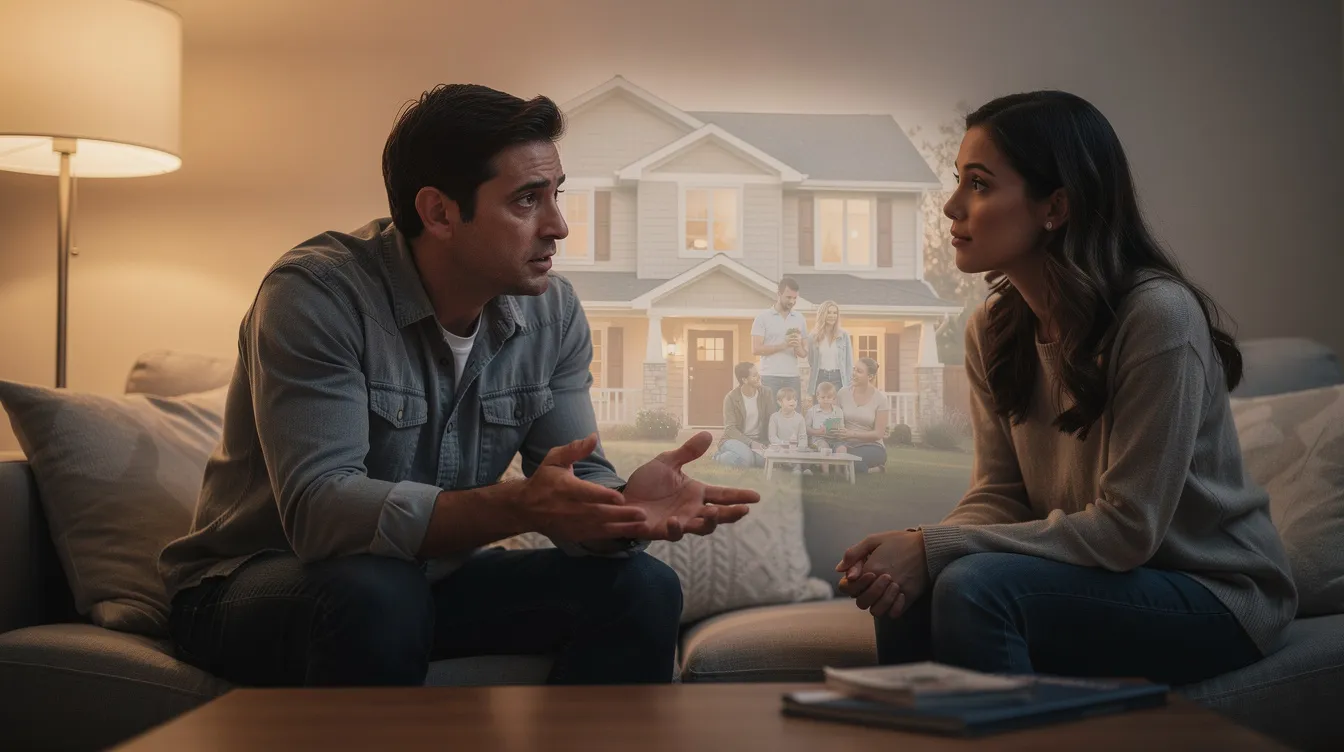
They sense your deepest desires (marriage, kids, travel, stability) and mirror them, making false promises about the future to keep you emotionally invested. Present benefits flow (attention, care, physical intimacy) while commitment stays vague or “just around the corner.”
Example: Someone in their late twenties promises “We’ll definitely be engaged by next year” but refuses to define the relationship or introduce you to family members even after 6–9 months. This overlaps significantly with love bombing—intense affection paired with fast-forwarded future talk. Future faking creates a fantasy bond where the relationship is based on imagined potential rather than reality.
Fear of Abandonment, Insecurity, and Attachment Wounds
Some people future fake because they’re terrified of being left. They promise a secure future to prevent you from leaving, especially when conflict or distance appears. Broken partner’s promises, especially when used as emotional manipulation, can damage self-esteem and erode trust in the relationship.
Through the lens of attachment theory:
Anxious attachment: May rush commitment talk to soothe anxiety (“We’re endgame, I just know it” after a month)
Avoidant attachment: May speak in abstract future terms while keeping emotional distance now (“Someday, when I’m ready, we’ll have an amazing life together”)
Sometimes, motivations for future faking are rooted in deeper personality traits, such as vulnerable narcissism. Unlike grandiose narcissism, vulnerable narcissism is linked to emotional suppression, attachment avoidance, and manipulative behaviors like future faking, which can further lower relationship satisfaction and self-worth.
Even insecurity-driven future faking causes harm. “I meant it when I said it” doesn’t negate the impact of unfulfilled promises or the damage caused by a partner’s promises that are repeatedly broken. Understanding the “why” provides insight—not permission for ongoing harmful patterns. Trusting your instincts and paying attention to your emotional responses can help you identify when a partner may be future faking, allowing you to take steps to protect yourself. For more on building genuine connection, explore the Gottman Method.
Dating App Culture, Fantasy Bonding, and Love Bombing
App-based dating encourages rapid intimacy through constant texting, voice notes, and late-night calls before meeting. This creates “fantasy bonds” where people feel deeply connected based on projected futures instead of lived experience.
Match.com’s 2025 data reveals users average 3.2 hours daily on apps, with 65% juggling 3+ conversations simultaneously. This contributes to shallow but intense connections.
Many future faking episodes are part of a love bombing cycle: idealization → grand promises → devaluation → withdrawal → new promises when you pull away. These manipulative behaviors are often seen in narcissistic abuse, where narcissists use tactics like future faking and love bombing to create false promises and emotional dependency, maintaining control while appearing affectionate and committed. The environment (infinite choice, limited accountability) doesn’t cause future faking, but it makes it much easier to execute. Narcissistic parents can also use future faking and controlling actions within family dynamics to manipulate and exploit family members for their own needs. Individuals engaging in future faking often use vague timelines and become evasive when pressed for specifics about their promises.

9 Clear Signs of Future Faking (With Real-Life Dating Examples)
This is your core checklist. Learning to spot future faking early is crucial to protect yourself from manipulation tactics, especially those used by narcissists or other manipulative partners. A single instance isn’t a diagnosis—patterns over weeks or months matter. Cross-check words with actions over time. Future faking can occur both at the beginning of a relationship to create a fast emotional connection and at the end to prevent a partner from leaving.
1. Fast-Forwarding the Relationship Timeline
Within days or weeks, they talk as if you’re already a long-term couple: “You’re my person,” “I can see us married,” despite minimal real-world interaction. If their promises or the relationship dynamic seem too good to be true, it may be a red flag for manipulation.
Example: You match on Hinge in Boston on April 3rd, go on one date, and by April 10th they’re discussing moving in together “by the end of the year.” This feels intoxicating but bypasses the slow process of compatibility testing.
2. Overly Detailed Future Plans Very Early On
They have extremely specific plans before knowing basic facts about your life—work schedule, family obligations, financial realities.
Example: Week 2: They’ve mapped out your joint 2026 travel calendar and discussed which coastal city you’ll retire in before you’ve discussed your views on kids or finances.
Contrast: “If things keep going well, I’d love us to plan a weekend trip this fall” versus “We’ll do a month in Bali next winter and work remotely together” after three video calls.
3. Big Promises, Little (or No) Follow-Through
They repeatedly bring up trips, milestones, or dates that never happen. Each time, a new excuse appears.
Example: They’ve “booked” a weekend in Miami twice, but the booking confirmation never appears, and the trip is perpetually “pushed to next month.” Over 3–6 months, not a single major promise materializes.
4. Avoiding Present Commitment While Hyping “Future Us”
They’re eager to discuss marriage and kids “someday” but dodge present-tense clarity about labels, exclusivity, or meeting friends and family.
Example: They say “I can really see us settling down together in a year or two” but refuse to call you their partner after 5–6 months. Common phrases include: “Let’s not label it” and “You know you’re my person”—paired with grandiose future promises.
5. Emotional Intensity Without Real-World Integration
Deep late-night conversations, long love letters, constant texting, “soulmate” language—yet minimal actual integration into each other’s lives.
Example: You’ve been talking daily since February, they call you their “best friend and soulmate,” but they’ve never invited you to an event with their social circle. This creates a “bubble relationship” where future fantasies feel real while remaining untested.
6. Words and Behavior Don’t Match Over Time
They describe themselves as “family-oriented” and “ready to settle down” but exhibit chronic flakiness or ongoing app use.
Example: They say “I’m all in with you,” yet you see them active on dating apps at 1 a.m. Track patterns over 8–12 weeks—are daily and weekly behaviors consistent with the serious future they describe?
7. Vague Excuses When Plans Get Concrete
As soon as you try to lock in specifics (dates, budgets, logistics), they become foggy: “Let’s see,” “Things are crazy right now.”
Example: You propose looking at rental listings since they’ve mentioned moving in by October 2026. They keep saying “We’ll know when the time is right” but never set a date to actually look.
8. Repeating the Same Big Promises After Breaking Them
They break a major promise, apologize, then re-make an even bigger version of the same promise—which also doesn’t happen.
Example: They cancel your planned Thanksgiving introduction to their parents, then immediately start talking about “a huge family Christmas together instead,” which also falls through. Count how many times the same promise has been recycled with new dates.
9. Defensiveness, Gaslighting, or Guilt-Tripping When You Ask Questions
When you calmly ask “What’s our plan for X?” they react with anger, guilt-tripping, or make you feel unreasonable.
Common responses:
“Why are you so negative? I’m trying my best.”
“If you really loved me, you’d trust me about our future.”
“You’re too demanding; nothing I do is enough.”
Healthy partners may feel uncomfortable but will engage constructively and adjust behavior over time.

Future Faking vs Healthy Relationship Planning
Not all early future talk is manipulative. Many secure relationships begin with “I could see this going somewhere” conversations that gradually become concrete plans.
Key differences in healthy relationships:
Aspect | Healthy Planning | Future Faking |
|---|---|---|
Pace | Evolves with time and demonstrated compatibility | Accelerates immediately |
Proportion | Matches the level of commitment and history | Disproportionate to relationship stage |
Process | Two-way discussion of logistics, needs, timing | One-sided fantasy declarations |
“Behavioral corroboration” matters: How often have they shown reliability in small things (showing up on time, keeping daily promises) before you trust big life-shaping promises? Maintaining trust in relationships depends on consistent actions that align with words.
Setting clear boundaries and expressing your needs for consistency is crucial in relationships where future faking may occur.
What Healthy Future Planning Looks Like in 2026 Dating
A realistic progression:
Months 1–3: Light “someday” talk, focus on getting to know each other
Months 3–6: More concrete short-term plans (weekend trips, holidays), discussing values
Months 6–18: Discussing bigger commitments with actual timelines and mutual readiness
Healthy partners welcome questions like “What does that timeline look like concretely?” Research from the Gottman Institute shows that trust builds through consistent, small actions over time—not sweeping declarations.
Emotional Impact of Future Faking
Being future faked is deeply painful and confusing. It’s normal to feel ashamed or question your judgment—but manipulation exploits very human hopes. Many emotionally intelligent, high-functioning people have experienced this, especially in high-intensity app dating culture.
Confusion, Cognitive Dissonance, and Self-Doubt
The brain struggles to reconcile beautiful promises with disappointing reality. Internal monologue: “They said they wanted to marry me… so maybe this delay is just stress? Maybe I’m too demanding.”
Gaslighting from your partner amplifies this self doubt. Confusion is a sign of mixed messages, not a character flaw.
Attachment and Emotional Dependency
Future faking builds strong emotional bonds quickly. The brain releases dopamine and oxytocin when imagining desired futures, creating intermittent reinforcement patterns similar to addictive loops.
This explains why people stay in clearly unfulfilling situations—they’re attached to the fake future story, not the present person.
Trust Issues and Dating Fatigue
Repeated future faking leads to:
Generalized suspicion of any future talk
Difficulty believing healthy partners who make realistic plans
Cynicism about commitment and modern dating
2024–2026 surveys show rising dating app fatigue and emotional exhaustion. With reflection and better screening tools like compatibility tests, trust can be rebuilt in more intentional ways.

How to Respond to Future Faking
This section focuses on what you can control: clarity-seeking, observing behavior, boundary-setting, and decisions aligned with your well being.
Safety first: If the relationship involves emotional abuse or physical abuse, prioritize safety planning and professional help over confrontation.
Ask for Clarity, Not Just Comforting Promises
Ask grounded questions:
“When you say we’ll move in together next year, what steps do you imagine us taking between now and then?”
“Can we talk about what that timeline realistically looks like?”
Notice their response: openness versus defensiveness, willingness to discuss specifics versus vague reassurances.
Watch Behavior Over Words
Practical techniques:
Keep a simple log of major promises versus outcomes over 2–3 months
Pay attention to small promises (calling when they say they will, showing up on time)
Ask yourself: “If I muted their words and watched only their actions, would I still believe we’re heading toward the future they describe?”
Consider using Jeter AI’s free compatibility test to shift focus from fantasy to concrete compatibility across values, communication, and lifestyle.
Set Boundaries Around Big Promises
Share how future talk affects you: “When we talk about marriage without follow through, I feel anxious and misled.”
Request alignment: “I’d like us to slow down the big future talk until we’re making concrete progress in the present.”
Example boundaries:
Not making joint financial decisions until certain milestones are met
Pausing conversations about moving forward until a specific condition is reached
A respectful partner will adjust and earn trust through consistent actions.
Decide When to Walk Away
Factors indicating it may be time to leave:
Longstanding pattern (6–12 months) of unkept promises
Defensive or hostile reactions to reasonable questions
Your mental health and self esteem significantly deteriorating
Leaving doesn’t mean you were foolish—it means you’re acting on new information.

How to Protect Yourself in Online Dating
These strategies help intentional daters screen for consistency and reduce exposure to chronic future fakers.
Slow Down the Pace of Early Connection
Space out dates (once a week instead of rapid-fire daily meetups)
Avoid marathon texting without moving toward a real-life meet within a reasonable timeframe
Limit late-night calls in the first few weeks
Avoid major commitments in the first 3–6 months
Pacing gives you time to see if their actions stay consistent over several weeks.
Avoid Early Fantasy Bonding
Fantasy bonding means building deep connection based more on imagined futures than shared, lived experiences.
Tips:
Steer conversations to present reality: “What does your typical Tuesday look like?”
Notice if they insist on grand narratives (“We’re soulmates”) while skipping normal topics
Use intentional questions to assess real compatibility through love tests and relationship quizzes.
Look for Consistency and Shared Effort
Watch whether they:
Initiate plans as much as you do
Show up consistently over at least a few months
Maintain reliability when stressed or busy
Compatibility platforms like Jeter AI emphasize multi-dimensional compatibility (values, conflict style, emotional availability) over charm. Compatibility-matched singles events in cities like NYC, Chicago, LA, and Toronto let you see real effort in action.
Common Mistakes People Make Around Future Faking
These thinking traps catch many capable adults. Identifying them helps you shift your approach.
Confusing Intensity for Compatibility
Fast chemistry and shared fantasies can feel like destiny, especially when you’re burnt out on casual dating. But true compatibility includes conflict resolution, aligned values, and reliable behavior over months—not just instant passion.
Learn more about compatibility myths that keep people stuck.
Ignoring Red Flags Because of “Potential”
People often hold onto who their partner “could become” rather than who they consistently are. Evaluate based on the last 3–6 months of concrete behavior, not the best 2–3 weeks at the start.
Reframe: Potential is only meaningful if someone is actively working toward it in visible, sustained ways.
Over-Rationalizing Their Behavior
Common rationalizations repeated for months or years:
“They’re just stressed”
“Their ex really hurt them”
“No one’s perfect”
Compassion is vital—but long-term change requires responsibility and effort from them, not just understanding from you. Seek an outside perspective from trusted friends or mental health professionals.
FAQs About Future Faking in Dating
What is future faking in dating?
Future faking is a pattern of making unrealistic or unkept promises about a shared future to keep someone emotionally invested. It can range from deliberate manipulation to unconscious overpromising, but the impact—false hope and broken trust—remains similar.
Is future faking a form of emotional manipulation?
When used deliberately to secure attention, affection, sex, or money without real intention to follow through, yes. Some people overpromise due to insecurity rather than conscious manipulation, but repeated patterns still warrant clear boundaries.
How can I tell if someone is future faking me?
Watch for words versus actions mismatch, repeated broken promises, and defensiveness when questioned. Track behavior over 2–3 months. Trust patterns over isolated romantic gestures.
Can a relationship survive after future faking?
In some cases, yes—if the person takes clear responsibility, stops making big promises, and shows sustained behavioral changes. Couples therapy using evidence-based approaches like the Gottman Method can help if both partners are committed.
Can future faking ever turn into real love?
Initial overpromising doesn’t inherently doom a relationship if it’s followed by honest repair, adjusted expectations, and consistent follow through. Real love requires reliability, mutual respect, and aligned actions—not just intense words.
How can I avoid falling for future fakers again?
Slow down, use compatibility tools early, and prioritize consistency over charm. Learn your attachment patterns through relationship quizzes. Consider compatibility-matched events where actions speak louder than promises.

Conclusion: Choose Actions Over Promises
Future faking thrives on our longing for security and connection. Someone promising you a perfect future taps into real desires—that doesn’t make you naive, it makes you human.
You deserve partners whose behavior steadily matches their words over time. Notice patterns. Ask for clarity. Set and enforce boundaries. Be willing to walk away from chronically unkept promises that damage your self worth and well being.
Date more intentionally by grounding your choices in compatibility science and observable behavior rather than fantasy. Try Jeter AI’s free compatibility assessment, explore love tests for self-awareness, or attend a compatibility-matched singles event in your city.
With better tools, clearer boundaries, and slower pacing, you can recognize future faking sooner—and invest in relationships where the future is built, not just promised.


