


For many Gen Z singles, dating isn’t just about chemistry anymore. It’s about compatibility—shared values, emotional intelligence, and whether two people actually fit together long-term. Gen Z pays close attention to specific aspects of compatibility, carefully considering which elements align or clash before committing. Unlike previous generations who often relied on physical attraction and serendipity, Gen Z approaches relationships with a level of intentionality that previous generations rarely considered.

This shift makes sense when you look at the world Gen Z grew up in. They watched their parents’ generation navigate divorce rates hovering around 40-50% (CDC Divorce Statistics), experienced pandemic isolation that spiked loneliness to historic levels (CDC Loneliness Data), and came of age during the peak of dating app burnout. TikTok discourse from 2022-2025 reflects this reality: “situationship” debates racked up billions of views, “bare minimum” trends mocked low-effort partners, and “delulu vs. solulu” memes pushed young daters toward self-awareness over fantasy.
Gen Z frequently vets potential partners through social media before ever matching on an app. Instagram stories reveal lifestyle glimpses, TikTok posts signal values and political stances, and Snapchat offers a window into everyday authenticity. Despite the prevalence of dating apps, Gen Z prefers organic connections, with only 21% having used a dating app in the past month. According to Hinge’s 2025 D.A.T.E. Report (Hinge Report 2025), 84% of Gen Z daters seek deeper connections, yet face a “Communication Gap” where 36% feel more hesitant than Millennials to dive deep early. This is where compatibility tools and AI-powered platforms like Jeter AI are stepping in, helping Gen Z evaluate relationship fit before getting deeply invested.
Introduction to Modern Dating
Modern dating has evolved dramatically, especially for Gen Z, who are redefining what it means to build romantic relationships in today’s world. Unlike previous generations, Gen Z places a significant emphasis on mental health, authenticity, and forming meaningful connections with their partners.
Open conversations about mental health are now common early in relationships, helping both people understand each other’s needs and emotional boundaries from the start. Social media platforms play a significant role in shaping how Gen Z approaches relationships. These platforms allow individuals to express their values, interests, and personalities, making it easier to find potential partners who align with their outlook on life.
This digital transparency encourages a more nuanced approach to dating, where compatibility, shared values, and emotional intelligence are prioritized over superficial traits. By recognizing the importance of mental health, embracing personality differences, and striving for relationship satisfaction, Gen Z is setting a new standard for what successful relationships look like. Compatibility and genuine connection are now at the forefront, ensuring that both partners feel understood, respected, and supported as they navigate the complexities of modern dating.
What Is Compatibility Dating?
Compatibility dating is a deliberate approach to romantic relationships that prioritizes holistic alignment over initial sparks. Instead of focusing purely on attraction or convenience, compatibility dating evaluates deeper factors: shared values, lifestyle preferences, communication styles, emotional needs, and long-term goals.
Compatibility is an important ingredient in relationships because it is the basis of how well you and your partner get along together. The question shifts from “Do I like this person?” to “Can I actually build a life with them?”
This stands in sharp contrast to the swipe culture that exploded around 2012-2015 with apps like Tinder. During that era, internal data suggested roughly 80% of matching decisions were made based on photos alone (Tinder Swipe Data). Compatibility dating flips that script entirely. It asks whether two people can function together daily—how they handle conflict, whether they respect boundaries, their attitudes toward money, family dynamics, and mental health.
The core factors Gen Z evaluates include:
- Political alignment (a 2025 YouGov poll found 70% of progressive Gen Z reject conservative dates outright) (YouGov Poll on Gen Z Politics)
- Lifestyle sync (67% prefer sober dating according to Hinge’s 2025 data)
- Emotional reciprocity
- Future visions around marriage, kids, or child-free lifestyles
Gen Z increasingly sees dating as a search for emotional safety first. The “butterflies are trauma responses” TikTok mantra reflects this therapy-influenced realism, where calm compatibility—valuing the same things and sharing long-term goals—beats dramatic highs and lows.

Why Gen Z Is Shifting Toward Compatibility-First Dating
The generational shift toward compatibility-first dating didn’t happen overnight. Gen Z grew up watching their parents’ relationships struggle, with divorce rates averaging around 45% for that generation (CDC Divorce Statistics). They witnessed hookup culture peak and crash, and they experienced pandemic isolation that forced everyone to confront what truly matters in human connection (CDC Loneliness Data). The result is a generation that consciously chooses intentional dating over casual chaos.
Dating App Fatigue
Dating app fatigue plays a significant role in this shift. At its peak, Tinder processed 1.6 billion swipes daily (Statista Tinder Data), yet surveys from 2023 showed that 70% of users reported burnout from the endless scroll (Hims Study 2025). A 2025 Hims study found that Gen Z swipes less than older users, citing “superficiality and rejection” as primary frustrations. Meanwhile, Dating News reported a 400% surge in Gen Z interest in matchmaking services, suggesting that curated connections feel more valuable than algorithmic randomness (Dating News Report).
Mental Health Awareness
Mental health awareness, especially post-2020, makes toxicity a non-negotiable deal breaker for this generation. Gen Z therapy rates hit 30% compared to just 10% for Boomers, according to a 2024 APA survey (APA Mental Health Data). With anxiety rates at 42% among young adults (CDC Anxiety Data), emotional safety isn’t a luxury—it’s essential. Gen Z expects partners to demonstrate emotional maturity, respect, and psychological safety from the earliest interactions. Differences between partners do not necessarily mean incompatibility, as open communication and understanding can help couples navigate challenges.
Long-Term Concerns
Long-term concerns also drive this compatibility focus earlier than previous generations considered them. Gen Z thinks about finances (averaging $30K in student loan debt) (Federal Reserve Student Debt Report), remote work preferences (60% favor flexibility) (Pew Research Remote Work), relocation possibilities, and whether they even want children (only 40% do, per Pew 2024) (Pew Research Fertility Trends). These aren’t third-date conversations anymore—they’re first-date considerations. Research shows that having similar attitudes as your partner is linked to greater happiness and relationship satisfaction.
Influence of Social Media and Online Education
Social media and online education have accelerated this awareness. YouTube therapists like Dr. Tracey Cox accumulate millions of views explaining attachment styles (YouTube Channel), while TikTok psychology creators teach boundaries and compatibility language to audiences who spend time actively learning about relationships. The influence is clear: Gen Z enters dating with more psychological vocabulary and self awareness than any generation before them.
The Traits Gen Z Looks for in Compatible Partners
Gen Z’s definition of an ideal partner looks nothing like traditional checklists focused on appearance or status. Instead, their “type” centers on emotional, ethical, and lifestyle traits that support long-term harmony and well being.
Key Traits Gen Z Values
Gen Z looks for the following traits in compatible partners:
- Emotional Intelligence
- Shared Values
- Ambition and Lifestyle Alignment
- Communication Style Compatibility
- Respect for Boundaries
Below, each trait is explored in more detail.
Emotional Intelligence
Emotional intelligence ranks at the top. Gen Z values partners who can name their feelings, apologize genuinely, validate experiences, and regulate emotions without stonewalling or exploding.
Hinge’s 2025 data reveals that 85% of users want second dates after thoughtful, emotionally attuned conversations—yet 48% of men fear coming across as “too much” when being vulnerable (Hinge Report 2025). This communication gap highlights how much Gen Z craves depth while still navigating the fear of judgment.
Shared Values
Shared values matter more than ever. This includes concrete stances on equality, feminism, climate change, and LGBTQ+ allyship—but it also means watching how these values show up in daily behavior.
- Who does the housework?
- How do they talk about others when they’re not around?
- Do they respect people in service roles?
These details reveal whether someone actually lives their stated values or just performs them online.
Ambition and Lifestyle Alignment
Ambition and lifestyle alignment form another key factor. Gen Z evaluates compatibility in:
- Work ethic
- Career goals
- Attitudes toward hustle culture versus balance
- Travel desires
- Preferences for urban versus rural life
A person who wants to spend time building a remote freelance career may struggle with someone committed to a traditional office path. These lifestyle differences can feel minor early on but become challenging friction points over years.
Communication Style Compatibility
Communication style compatibility includes:
- Texting expectations
- FaceTime versus call preferences
- Response times
- How disagreements unfold
Gen Z tends to prefer partners who engage using therapy-informed language—“I feel” statements rather than blame, curiosity rather than defensiveness. Importantly, the ability to discuss hard topics without escalation signals relationship sustainability.
Respect for Boundaries
Respect for boundaries has become a non-negotiable trait. This encompasses:
- Digital privacy (no snooping through phones)
- Consent in all physical interactions
- Respect for alone time
- Understanding of mental health breaks
Gen Z notices quickly when someone pushes against these boundaries, even subtly.
Finally, while openness to diverse relationship structures (ethical non-monogamy, queer partnerships) exists within Gen Z, compatibility still requires clearly aligned expectations. The 6-7 dating trend—choosing a reliable, kind partner who scores a “6 or 7” in excitement over a chaotic “10”—explicitly prioritizes peace over passion. For Gen Z, that trade-off represents maturity, not settling. Different personality types can both challenge and complement each other in these relationships, and understanding these differences is key to fostering growth and long-term compatibility.

How Technology Is Changing Compatibility Dating
Gen Z uses technology not just to meet people, but to analyze and improve compatibility itself. This represents a fundamental shift in how modern dating works—from meeting tools to evaluation systems.
Digital Tools for Compatibility
Common digital tools include:
- App-based compatibility quizzes
- In-app prompts about values and political stances
- Astrology and birth-chart matching (which accumulated over 1 billion TikTok views between 2023-2025)
- Personality-based matching algorithms
These features move beyond photos and bios to surface personality differences and alignment indicators early.
AI-Powered Compatibility Tools
AI dating compatibility tools take this further by analyzing chat patterns, communication tone, emotional language, and stated preferences to predict relationship fit. Gen Z, as digital natives, feel comfortable sharing data with tools that return clear value in the form of clarity and emotional insight. According to Hinge, 60% of younger Gen Z users are open to AI functioning as a “virtual opinion” in their dating lives (Hinge AI Insights).
Jeter AI exemplifies this new category of relationship technology. The platform uses questionnaires covering values and lifestyle preferences, behavioral signals like response patterns, and communication insights to suggest how well two people align. Users receive compatibility scores, nuanced feedback on potential friction points, and conversation prompts to explore with matches.
Technology as a Relationship Coach
For Gen Z, technology is becoming a “relationship coach in their pocket.” Instead of investing months into someone only to discover fundamental incompatibility, these tools surface mismatches early—before emotional investment makes walking away feel impossible. This represents a significant role shift in dating technology: from facilitating connections to ensuring they’re worthwhile.

Compatibility Tests Gen Z Uses Before Dating
Many Gen Z singles casually send each other tests and quizzes before becoming “official.” This might seem unusual to previous generations, but for Gen Z, it’s practical research that prevents wasted time and feelings.
Popular Compatibility Tests
- Personality tests: Particularly 16-type assessments inspired by Myers-Briggs and Big Five evaluations (16Personalities). Pairs often compare profiles to understand energy levels, decision-making preferences, and lifestyle compatibility. One key dimension is Judging (J) versus Perceiving (P): those with a judging preference value structure, organization, and planning, while perceiving types prioritize freedom, flexibility, and adaptability. An introvert partnered with an extreme extrovert might work, but both people tend to function better when they understand what that dynamic requires. Couples with more personality traits in common tend to have higher relationship satisfaction.
- Attachment style tests: Understanding whether someone operates from a secure base (roughly 50% of Gen Z), anxious attachment (25%, characterized by fear of abandonment), avoidant attachment (20%, marked by intimacy discomfort), or fearful-avoidant patterns (5%) helps predict how conflict and closeness will unfold (Attachment Theory Overview). These quizzes, often discovered through TikTok links or mental health websites, reveal triggers and needs that might otherwise take months to surface naturally.
- Values and lifestyle questionnaires: Cover specific compatibility questions: Do you want kids? How do you feel about religion? What are your attitudes toward debt and saving? Are you open to relocation? Would you prefer a sober lifestyle? Couples answer separately and then compare, treating any major gap as a potential deal breaker worth discussing. Checklists like the 100 Compatibility Questions for Couples provide comprehensive guidance.
- AI compatibility tools: Platforms like Jeter AI combine multiple data points—personality information, communication patterns, explicit preferences—into a more holistic compatibility portrait than any single quiz provides. This integrated approach helps users develop self awareness about their own patterns while evaluating whether a specific match makes sense.
Gen Z treats these tests as conversation starters and reflection tools, not absolute verdicts. The answer any quiz provides matters less than the discussion it sparks. Still, results heavily influence whether someone chooses to engage further or recognize the connection won’t lead anywhere sustainable.
Building a Strong Foundation
A strong foundation is the cornerstone of any lasting relationship. For Gen Z, this means going beyond physical attraction and focusing on building trust, open communication, and mutual respect.
When both partners are on the same page about their values, goals, and expectations, they can face life’s ups and downs as a united team. Spending quality time together and engaging in meaningful conversations helps couples develop a deeper sense of connection and understanding.
Being aware of each other’s feelings, needs, and personality types allows partners to support one another and create a sense of emotional safety. While physical attraction can spark initial interest, it’s the shared values, compatible personalities, and genuine respect that lead to long-term relationship satisfaction and well being.
By investing effort into developing this strong foundation, couples set themselves up for a relationship that not only endures challenges but also grows stronger over time. This approach leads to a deeper connection, increased trust, and a sense of unity that makes navigating life together more fulfilling.
Personality Type and Relationship Dynamics
Personality types play a significant role in shaping relationship dynamics, influencing everything from communication styles to conflict resolution strategies. Understanding your own personality traits—and those of your partner—can help you navigate differences more effectively and foster a healthier, more harmonious relationship.
For example, an introverted partner may prefer quiet nights in and need more alone time to recharge, while an extroverted partner might thrive on social gatherings and frequent outings. Recognizing and respecting these differences allows couples to find a balance that works for both, rather than letting misunderstandings create unnecessary tension.
Developing self awareness about your own preferences and being mindful of your partner’s unique traits can lead to more effective communication and a greater sense of empathy. By openly discussing how you each prefer to handle conflict, express affection, or spend your free time, you can proactively address potential challenges and strengthen your bond.
Ultimately, embracing personality differences and working together to understand each other’s needs is key to building a relationship that feels supportive and fulfilling for both partners.
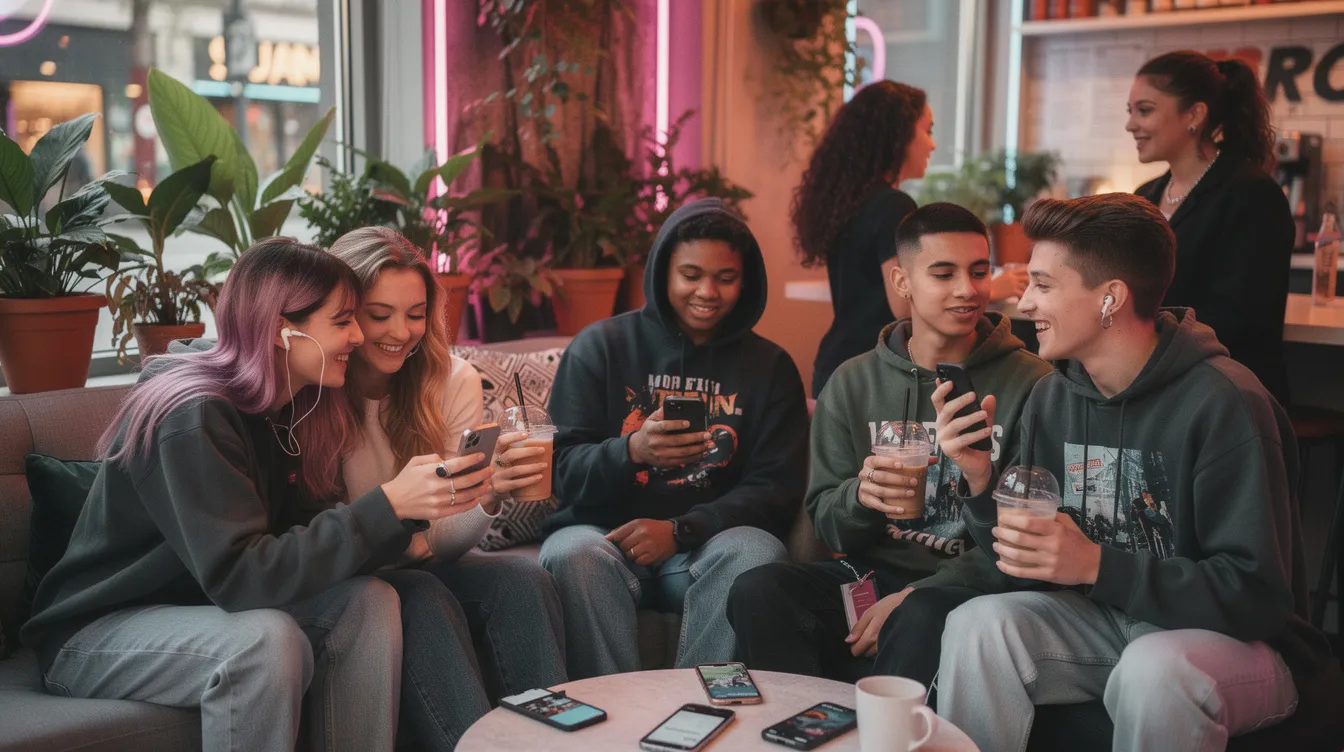
The Rise of Intentional Dating Among Gen Z
Intentional dating means approaching romantic relationships slowly and thoughtfully, with clear goals, explicit boundaries, and direct communication. It stands in opposition to drifting into unclear “situationships” where one person invests emotionally while the other maintains ambiguity.
The Backlash Against Ambiguity
This approach emerged partly as cultural backlash against ghosting, breadcrumbing, and endless talking stages. TikTok and Reddit from 2019-2024 documented widespread frustration with dating behaviors that left people feeling confused and disposable. The hashtag #Ghosted alone accumulated over 2 billion views, signaling how universal the frustration had become (TikTok Ghosting Trend).
Practical Signs of Intentional Dating
Intentional dating shows up in practical ways:
- Conversations about what both people want happen by date three, not month three.
- Texting norms get established early.
- Exclusivity discussions occur before assumptions form.
- Gen Z explicitly asks: “What are you looking for?” and expects honest, direct responses.
The trend toward “slower dating” has accelerated. Instead of cramming multiple first dates into each week, intentional daters prefer fewer but more meaningful connections. Video calls and voice notes often precede in-person meetings, with 35% of users wanting more voice-based communication according to Hinge data (Hinge Communication Preferences).
Labels come after genuine evaluation, not as knee-jerk reactions to chemistry.
Gen Z regularly uses journaling, therapy, and AI tools like Jeter AI to reflect on whether a connection feels safe, aligned, and sustainable before committing. This self-reflection reduces the emotional whiplash that characterized earlier dating app eras, where people cycled rapidly between intense hope and crushing disappointment.
Intentional dating represents a logical response to the chaos Gen Z observed. When endless options produced burnout rather than happiness, slowing down and choosing carefully became the obvious alternative.
How to Evaluate Compatibility Early in Dating
Evaluating compatibility doesn’t require waiting months to see if things naturally align. Gen Z approaches early interactions—first dates, video chats, text exchanges—as active research opportunities.
Key Question Themes to Explore
Concrete question themes to explore early include:
- Long-term goals: marriage timeline, children, travel aspirations
- Lifestyle preferences: night owl versus early bird, social drinking or sobriety, partying versus quiet nights
- Work/life balance expectations: remote flexibility, career ambition, hustle culture attitudes
- Communication expectations: texting frequency, comfort with social media sharing, conflict resolution style
- Money and security topics: saving versus spending attitudes, comfort with debt, career stability concerns
These topics might feel heavy for a first date, but addressing them casually prevents months of misaligned investment.
Observing Communication Patterns
Communication expectations deserve early attention. How often does this person prefer to text? Are they comfortable posting the relationship on social media platforms? How do they handle conflict or stress—do they shut down, lash out, or engage constructively? Observing these patterns early reveals whether daily communication will feel like quality time together or constant friction.
Self-Reflection and Technology
Self-reflection provides additional compatibility data. Notice your body’s signals after interactions. Do you feel calm, respected, and heard? Or anxious, drained, and uncertain? These emotional responses reveal whether the connection energizes or depletes you—an essential aspect of long-term sustainability.
Leveraging a compatibility tool like Jeter AI after a few dates helps organize scattered impressions into clearer insights. The platform identifies values alignment, communication pattern compatibility, and potential friction points, giving users concrete information to guide their decisions rather than relying purely on intuition.
Common Compatibility Red Flags Gen Z Watches For
Gen Z, informed by online discourse and mental health education, remains unusually alert to early warning signs in dating. Ignoring red flags—a common pattern in previous generations—feels increasingly unacceptable when the risks are well-documented.
Misaligned Core Values
Misaligned core values represent a fundamental red flag. This includes differing stances on respect, equality, and social issues that manifest as dismissive jokes, microaggressions, or rigid gender role expectations. When someone mocks causes their partner cares about or makes prejudiced comments about marginalized groups, Gen Z recognizes this as a point of incompatibility that won’t improve with time.
Poor Communication Patterns
Poor communication patterns signal trouble ahead. Ghosting after conflict, love-bombing followed by sudden withdrawal, refusal to discuss feelings openly, or consistently invalidating a partner’s emotional experience all indicate someone who lacks the communication skills necessary for successful relationships. Hinge’s Communication Gap research shows that while 65% of men want deeper conversations, 48% fear seeming “too much”—revealing that many struggle to communicate even when they desire connection (Hinge Communication Gap).
Emotional Unavailability
Emotional unavailability appears in various forms: partners who avoid labels indefinitely, keep all plans last-minute, never introduce you to friends or family, or claim they’re “not ready for anything serious” while acting like a committed partner. These behaviors create confusion and leave one person investing while the other maintains an exit strategy.
Incompatible Lifestyle Goals
Incompatible lifestyle goals represent red flags that no amount of effort can resolve. Strong mismatches around wanting children, marriage timelines, willingness to relocate, or attitudes toward sobriety signal fundamental personality differences unlikely to shift through compromise. Recognizing these early prevents years of hoping someone will change.
Boundary Violations
Boundary violations serve as perhaps the most serious red flag category. Pressure around physical intimacy, disrespecting time and schedule commitments, snooping through digital privacy, or mocking therapy and mental health needs all indicate someone who doesn’t respect their partner’s autonomy. These patterns typically escalate rather than diminish.
Gen Z takes these signs seriously early in dating and uses reflection tools—including AI-based insights from platforms like Jeter AI—to sense patterns rather than dismissing concerning behaviors as isolated incidents. The wrong partner identified early saves years of wrong investment.

Creating a Healthy and Fulfilling Relationship
A healthy and fulfilling relationship doesn’t happen by accident—it requires ongoing effort, open communication, and a willingness to understand and appreciate each other’s differences. Gen Z couples are increasingly aware of the key factors that contribute to relationship satisfaction, such as shared values, emotional intelligence, and strong conflict resolution skills.
Prioritizing quality time together, engaging in honest conversations, and actively listening to each other’s needs help couples develop a deeper sense of connection and intimacy. When both partners are willing to compromise, find common ground, and show appreciation for one another, it creates an environment of mutual respect and trust.
Being aware of what makes your relationship unique—and understanding how to navigate differences—can help you build a partnership that is both rewarding and resilient. By focusing on these essential elements, couples can create a relationship that not only survives challenges but also allows both individuals to grow and thrive together.
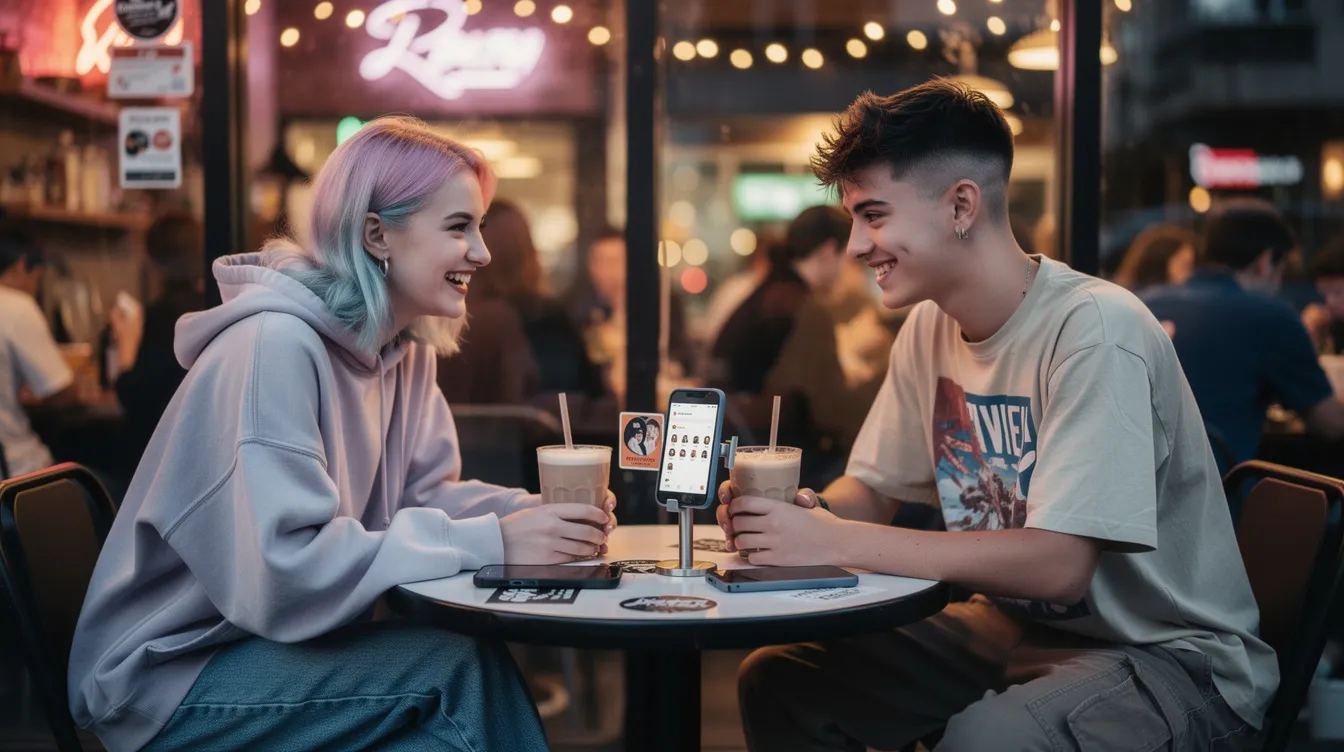
Effective Communication and Conflict Resolution in Gen Z Relationships
Effective communication is at the heart of every successful relationship, and for Gen Z, it’s more essential than ever. Unlike previous generations, Gen Z approaches romantic relationships with a heightened sense of self awareness, prioritizing mental health, emotional well-being, and authentic connection over surface-level attraction.
Engaging with Your Partner’s Perspective
In Gen Z relationships, communication isn’t just about talking—it’s about truly engaging with your partner’s perspective. Whether you’re navigating the excitement of a new connection or working through a challenging moment, being able to express your needs and listen to your partner’s concerns plays a significant role in relationship satisfaction.
For example, couples who understand each other’s personality types—like an introvert who needs downtime and an extrovert who thrives on social interaction—can proactively discuss how to spend quality time together without either person feeling overwhelmed or neglected. This level of detail-oriented communication helps both partners feel seen and respected, leading to a deeper sense of compatibility.
Approaching Conflict with Empathy
Conflict is inevitable in any relationship, but Gen Z tends to approach disagreements with a focus on empathy and growth. Instead of avoiding tough conversations or letting resentment build, many Gen Z couples prefer to address issues head-on, using “I feel” statements and active listening to ensure both sides are heard.
This approach not only supports mental health but also helps partners develop a stronger, more resilient bond. By acknowledging differences and respecting boundaries, couples can work through challenges together, rather than letting them become deal breakers.
Balancing Online and Offline Communication
Social media platforms and dating apps also play a significant role in how Gen Z communicates and resolves conflict. While these tools can help potential partners connect and share their lives, they also require a balance between online and offline interactions. It’s easy to misinterpret a message or feel disconnected when most communication happens through screens, so Gen Z couples often make an effort to spend time together in person, reinforcing their connection and ensuring they’re truly on the same page.
Ultimately, what sets Gen Z apart is their willingness to engage in honest, sometimes uncomfortable conversations for the sake of their relationship’s well being. By being aware of each other’s values, personality differences, and communication styles, couples can develop a sense of trust and mutual respect that forms the foundation of a healthy, lasting partnership. In a world where meaningful connections can feel rare, this commitment to effective communication and conflict resolution is what leads to truly compatible, successful relationships.
Maintaining a Strong Connection
Keeping a relationship strong and vibrant requires continuous effort and a commitment to growth from both partners. Effective communication remains essential—regularly checking in with each other, expressing appreciation, and making time for shared activities helps maintain a sense of closeness and understanding.
People tend to evolve over time, so it’s important to stay aware of each other’s feelings, needs, and personal goals. Exploring new experiences together, being open to change, and supporting each other’s growth can keep the relationship fresh and exciting. Self awareness plays a crucial role here, as it allows both partners to recognize when adjustments are needed and to communicate those needs respectfully.
By prioritizing respect, personal development, and emotional intelligence, couples can adapt to life’s inevitable changes and challenges. This ongoing effort ensures that the relationship remains strong, fulfilling, and deeply connected, allowing both people to enjoy each other’s company and build a lasting partnership based on trust and mutual understanding.
The Future of Compatibility Dating
Current Gen Z dating trends point toward an even more compatibility-focused future over the next 5-10 years. Technology will play an increasingly significant role in how people evaluate and develop relationships.
AI Relationship Analysis
AI relationship analysis will likely become more sophisticated, assessing compatibility using longer-term behavioral data. Future systems might analyze text tone over months, identify conflict patterns, compare shared calendar activities, and track relationship satisfaction indicators—always with explicit consent and privacy protections. The fear that AI reduces romance misses the point: these tools help people avoid wrong matches faster, preserving emotional energy for connections that actually align.
Evolving Compatibility Scoring
Compatibility scoring systems will evolve beyond simple “match percentages.” Future platforms could provide scores across specific dimensions:
- Communication style compatibility
- Conflict resolution patterns
- Value alignment indexes
- Lifestyle synchronization metrics
This granular feedback helps users understand not just whether they match, but specifically where strengths and challenges exist.
Compatibility-Based Dating Events
Compatibility-based dating events are already emerging as alternatives to traditional apps. Small curated meetups, virtual sessions, and interest-based gatherings where attendees are pre-matched on values and lifestyles represent the 400% surge in matchmaking service interest (Dating News Report). Meeting someone already filtered for basic compatibility feels more promising than swiping through thousands of strangers.
Platforms like Jeter AI represent where this future is heading. By combining questionnaires, behavioral signals, and communication analysis into personalized compatibility insights, these tools make dating smarter, kinder, and less emotionally draining. Gen Z has already normalized using technology for mental health support—extending that to relationship decisions feels natural.
As Gen Alpha begins dating, they’ll inherit and expand Gen Z’s compatibility-first mindset. For them, expecting emotional education and AI guidance as normal parts of dating won’t feel innovative—it’ll feel obvious. The generation after Gen Z will wonder how anyone ever dated without these tools.
Final Thoughts
Gen Z is redefining modern dating by centering emotional compatibility, shared values, and intentionality over superficial attraction. This isn’t about being picky or demanding perfection—it’s about consciously choosing partners whose lives, goals, and emotional habits can realistically fit together. After witnessing the costs of misaligned relationships in previous generations, Gen Z decided that meaningful connections require upfront honesty rather than hopeful assumptions.
Compatibility dating doesn’t guarantee perfect relationships. Challenges still arise, personalities still clash occasionally, and growth still requires effort from both people. What changes is the foundation. When two people start on the same page regarding values, communication, and life direction, they face obstacles as a team rather than discovering fundamental incompatibility after years of investment.
Combining self awareness, honest conversations, and intelligent tools like Jeter AI gives Gen Z more power than any previous generation to build healthy, aligned relationships. The ability to evaluate compatibility before emotional attachment develops represents a genuine advancement in how humans can approach relationships. Whether you’re exploring a new connection or reflecting on current patterns, prioritizing what truly matters—emotional safety, mutual respect, and shared purpose—leads to relationships worth having.
FAQ: Gen Z Compatibility Dating & Modern Relationships
These concise answers address common questions about how Gen Z dates differently and what compatibility means in modern relationships.
What is compatibility dating?
Compatibility dating focuses on evaluating deeper alignment—values, communication style, lifestyle preferences, and long-term goals—before getting emotionally invested in a relationship. Instead of prioritizing chemistry alone, compatibility dating asks whether two people can actually function well together over time, handling conflict, finances, and life decisions as partners rather than discovering fundamental mismatches after attachment forms.
Why does Gen Z care about compatibility in relationships?
Gen Z has witnessed the downsides of toxic relationships, high divorce rates among their parents, and hookup culture burnout. Combined with heightened mental health awareness and easy access to psychological education through social media platforms, this generation prioritizes emotional safety and relationship sustainability. They’ve learned that intense chemistry without compatibility often leads to painful endings.
How do you know if you are compatible with someone?
Look for ease of communication where you can discuss difficult topics without fear of judgment. Notice whether you share similar values around key factors like family, finances, and lifestyle. Pay attention to mutual respect and whether interactions leave you feeling energized and safe rather than anxious and drained. Compatible partners make you feel like yourself, not like you’re performing.
Do compatibility tests actually work?
Tests and AI tools, including platforms like Jeter AI, work as helpful frameworks for reflection and conversation. Research suggests AI-assisted self-assessment can boost self awareness by around 30%. However, these tools should complement—not replace—real-world experience and direct communication. Use them to surface questions and patterns, then discuss what you discover with your partner.
What are the biggest Gen Z dating trends?
Key trends include intentional dating with clear communication about relationship goals, a compatibility-first mindset that evaluates long-term fit early, openness about mental health and therapy, value-driven partner selection based on political and social alignment, and increasing use of AI and personality tools to guide relationship decisions. Gen Z also favors the “6-7” approach—choosing reliability and peace over chaotic intensity.


