How to Heal After Being Cheated On: The Brutally Honest Recovery Guide
“Being cheated on doesn’t just break your heart – it can break your sense of reality.”
32 min read
“Being cheated on doesn’t just break your heart – it can break your sense of reality.”
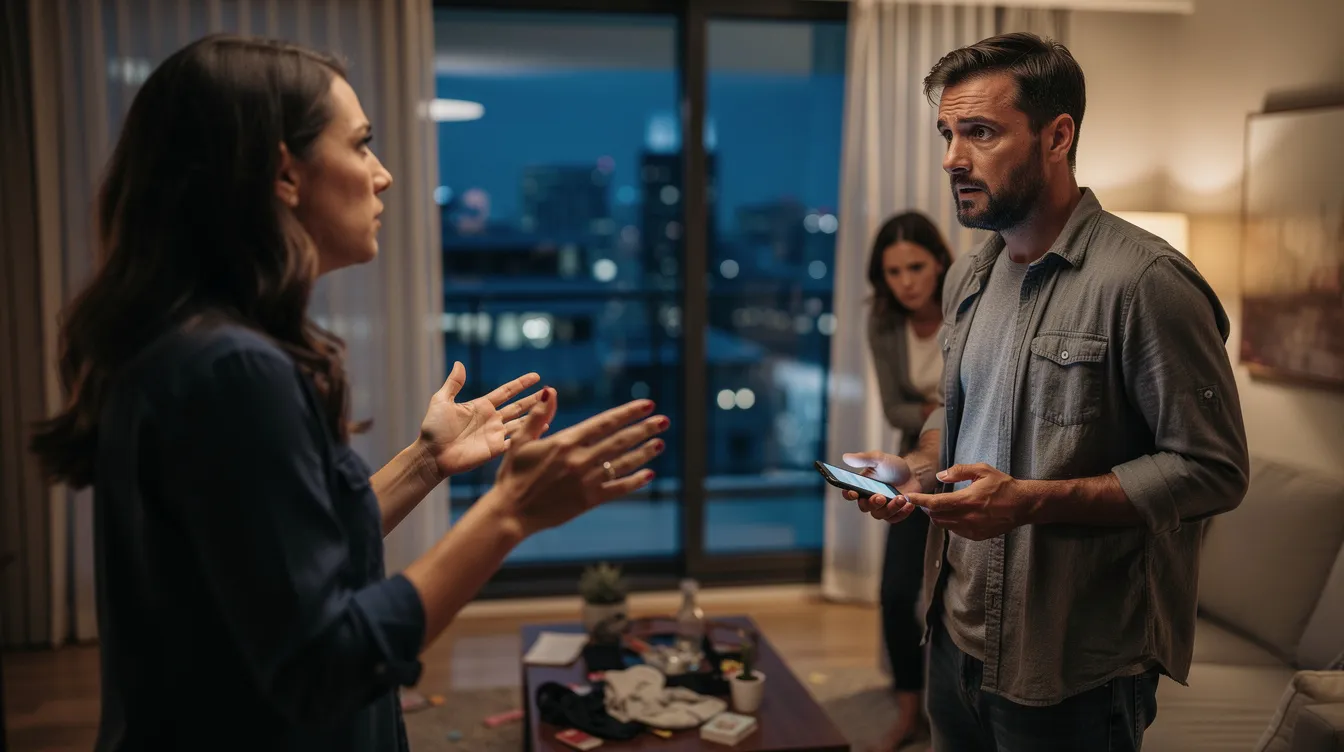
If your partner cheated, you may feel like your body is reacting before your mind can catch up. That is not weakness. Infidelity can create betrayal trauma, physical shock, panic, anger, grief, confusion, and a sudden collapse of trust in the person, the relationship, and your own judgment.
This guide is for anyone who has been cheated on: a betrayed wife, husband, boyfriend, girlfriend, fiancé, spouse, or long-term partner. It will walk you through how to heal after being cheated on with honesty: emotional recovery, mental healing, self care, rebuilding self-trust, and eventually making healthier choices with future partners.
When you are ready to date again, not today if you are still in deep pain, tools like Jeter AI can help you slow down and choose with more clarity through compatibility-first dating instead of guessing based on chemistry alone.
The First Truth: You’re Probably in Emotional Shock
Betrayal trauma happens when someone you trusted violates your sense of safety. Research on high-betrayal trauma has linked it with PTSD symptoms, depression, and dissociation; one study found high-betrayal experiences were among the strongest predictors of PTSD and depression symptoms in cumulative trauma research (Journal of Trauma & Dissociation).
Post-infidelity stress disorder (PISD) is an anxiety disorder that can occur after discovering a partner’s infidelity, sharing similarities with post-traumatic stress disorder (PTSD). That means your emotional responses may feel extreme because your nervous system is treating the betrayal like danger.
Common reactions include:
Obsessive thoughts and replaying conversations
Panic, nausea, trembling, or sleeplessness
Rage, numbness, or sudden crying
Urges to check their phone, social media, or old messages
Triggers after being cheated on can lead to hyper-vigilance, where individuals become overly alert to any signs of potential betrayal, causing emotional distress and anxiety. Accepting that emotional triggers are a normal reaction after infidelity can help individuals regain control over their healing process instead of feeling like victims.
Your brain replays details because it is trying to regain control. It wants to find what you missed, identify the moment reality shifted, and prevent the pain from happening again. These are healthy threat responses, even when they feel exhausting.
For the first 24 to 72 hours:
Breathe slowly and drink water.
Eat something small, even if you have no appetite.
Delay huge decisions for at least 30 days unless safety is involved.
Acknowledge the trauma caused by infidelity, as it results in physical and emotional shock.
Story #1 – “Nicole Couldn’t Stop Replaying Everything”
Nicole’s story is an anonymized composite, based on common patterns people describe in betrayal recovery.
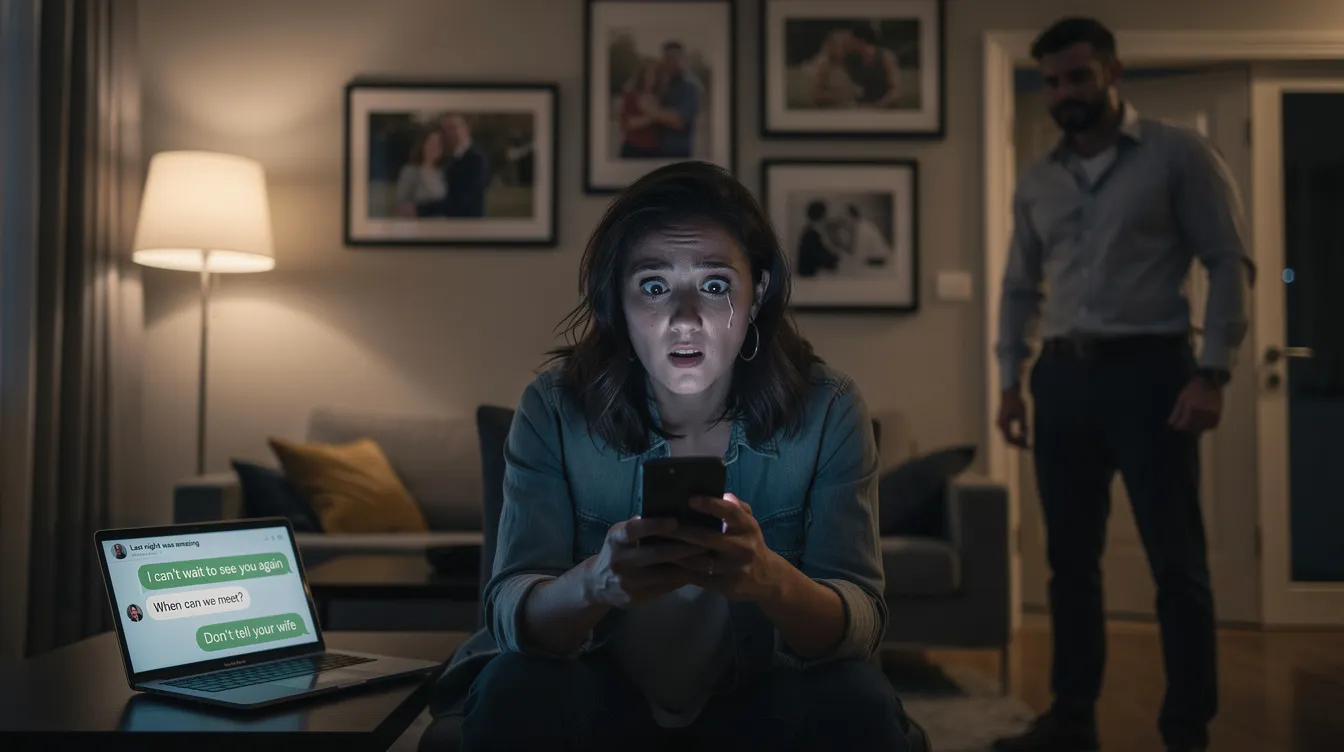
Nicole was a betrayed wife in her mid-30s. In 2023, she discovered months of cheating through hidden Instagram DMs. Her husband had been flirting, arranging meetups, and lying about his schedule.
Afterward, Nicole could not stop searching. She re-read screenshots. She zoomed in on old photos. She compared herself to the other woman’s face, body, job, clothes, and life. She lost sleep trying to understand what she missed.
Her therapist explained that obsession after betrayal is often the brain trying to create certainty from chaos. Nicole was not broken. She was hurt, shocked, and trying to make a shattered reality feel predictable again.
The turning point came when she stopped treating the affair like a puzzle she could solve perfectly and started treating it like a loss she had to grieve.
Healing starts when you stop interrogating the past like a detective and start caring for yourself like a survivor.
Stop Blaming Yourself for Someone Else’s Decision
Self blame is one of the cruelest parts of healing after infidelity. Many people think:
“If I were thinner, they would not have cheated.”
“If we had more sex, this would not have happened.”
“If I were calmer, more fun, or more attractive, they would have stayed loyal.”
“I should have known.”
Here is the distinction that matters: relationship problems can belong to two people, but betrayal belongs to the person who chose it. Communication issues, intimacy problems, stress, or emotional distance may exist in a relationship. None of them force a partner’s actions.
Self-blame can feel safer than helplessness because it creates an illusion of control. If you can blame yourself, then maybe you can fix yourself and guarantee this will never happen again. But someone else’s dishonesty is not your deficiency. It is someone else’s problem to take responsibility for.
Research estimates that 13% to 40% of people report some form of infidelity, depending on definitions of sexual or emotional cheating (Archives of Sexual Behavior). That wide range tells us cheating is often connected to opportunity, coping patterns, entitlement, avoidance, secrecy, and poor boundaries, not the betrayed partner’s worth.
Try these reframes:
Journaling prompt: list what you actually controlled, what you influenced, and what was never yours to control. Blame stops becoming a lifestyle when facts replace the story your fear keeps telling.
Hoping the next conversation will finally make it all make sense
The blunt truth: closure rarely comes from the person who betrayed you. It usually comes from your decision to stop chasing answers that keep hurting you.
Name the betrayal plainly. Say, “He had an ongoing affair for six months,” or “She was emotionally involved with a co worker and lied about it,” instead of softening the truth until it becomes easier to tolerate but harder to heal from.
A simple exercise: write one paragraph beginning with, “This did happen…” Then list the facts without commentary. Acceptance helps because reality, once named, becomes something you can respond to instead of something you keep negotiating with.
Faith, therapy, family therapy, a certified life coach, a relationship facilitator, or trusted mentors can help create a safe space for the facts without letting the pain swallow your whole life.
Story #2 – “Marcus Stayed Stuck Waiting for an Explanation”
Marcus’s story is an anonymized composite.
In late 2022, Marcus discovered that his boyfriend had been cheating. For almost a year, Marcus kept asking for one last conversation. One final call. One more explanation. He believed the right answer would finally let him move forward.
Instead, every talk reopened the wound. A late-night text left him shaking. A new detail reset him to day one. His ex would sometimes apologize, sometimes minimize, and sometimes blame Marcus for asking too many questions.
His therapist helped him see that he was postponing grief. As long as he was still investigating, he did not have to fully feel the loneliness of the relationship ending.
Marcus set a 60-day no-contact boundary. He focused on therapy, friends, routines, and sleep. After two months, the need for answers did not disappear completely, but it became quieter.
Some questions will never feel fully satisfying. Peace often comes from choosing to stop asking, not from finally getting the “right” answer.
Cut Off the Behaviors That Keep Reopening the Wound
Some behaviors feel like relief but keep the wound open.
Watch for:
Social-media stalking
Checking Venmo, LinkedIn, location tags, or mutual friends’ posts
These behaviors give a short-term hit of control. Long term, they feed anxiety, reinforce trauma loops, and keep your nervous system activated. If triggers inhibits your ability to sleep, work, or feel secure, treat digital boundaries as medical-level self care, not petty drama.
Try this:
Mute or block if necessary.
Archive or delete message threads.
Remove shared photos from your lock screen.
Unfollow mutuals who constantly post your ex.
Set 30 days of no contact and no checking.
Ask a trusted best friend to help you stay accountable if checking feels compulsive. If co-parenting, shared finances, or work contact makes no-contact impossible, keep communication strictly functional and consider professional help.
If reconciliation is being considered, full transparency involves sharing passwords, schedules, and locations willingly and answering questions honestly. But limit details about the infidelity to timelines and scope, rather than explicit acts, because graphic details often create intrusive images that make healing harder.
Understand That Your Confidence Will Take a Hit
After being cheated on, many individuals experience a significant drop in self-worth, often questioning their value and whether they were ‘enough’ for their partner.
Cheating can damage body image, sexual confidence, and trust in your judgment. You may wonder, “How did I not see this?” or “Was I replaceable the whole time?”
Comparison obsession is common. You may scroll the affair partner’s page, fixate on their age, looks, job, lifestyle, or confidence, and turn their existence into evidence against yourself. But pain is not proof. Feeling replaceable does not mean you are replaceable.
Recognizing that infidelity is often a reflection of the cheater’s insecurities rather than a deficiency in oneself can help individuals reclaim their self-worth after betrayal.
Rebuild identity outside the relationship:
Exercise: list 10 non-appearance-based qualities you bring to a relationship. Include patience, humor, loyalty, emotional connection, curiosity, steadiness, courage, generosity, honesty, and the ability to love deeply.
Compatibility matters far more than surface traits. When you are ready, Jeter AI’s free compatibility test can help you think beyond attraction and look at values, communication, long-term fit, and emotional availability.
Don’t Rush Into “Winning the Breakup”
Fake healing can look very impressive from the outside.
In 2024 to 2026, it often looks like:
The brutal truth: you cannot outperform heartbreak emotionally. It will wait until you stop distracting yourself.
Some distraction is normal. You are allowed to laugh, go out, dress up, flirt, and enjoy life. But do not confuse temporary relief with real emotional recovery.
Before opening Hinge, Bumble, Tinder, or any app, ask: “Am I curious about connection, or am I running from pain?”
When you are genuinely ready, intentional dating is different from panic dating. Jeter AI explains how a science-backed assessment works in its guide to how dating compatibility tests work, which can help you re engage with dating more thoughtfully.
Story #3 – “Samantha Tried to Heal by Pretending She Was Fine”
Samantha’s story is an anonymized composite.
After she got cheated on in 2021, Samantha downloaded five dating apps, went out constantly, and posted party photos every weekend. Online, she looked unstoppable.
Privately, she was crying in the shower. She panic-scrolled through her ex’s new relationship. She felt like an imposter in her own life, carrying negative energy while trying to look carefree.
At a friend’s birthday, she broke down in the bathroom and finally admitted to her best friend that she was not okay. She took a three-month break from dating and focused on therapy, self care, and sleep.
Her healing accelerated once she stopped performing “fine” and allowed herself to grieve.
Real healing starts when performance ends, even if that means stepping back from social media and the dating scene for a while.
Rebuild Trust in Yourself Before Trusting Someone Else
After cheating, many people do not just lose trust in others. They lose trust in themselves.
They think: “If I missed this, can I trust my instincts at all?”
That doubt is normal. The healing journey starts with rebuilding self-trust first, partner trust second. You do this through skills, not slogans.
Practice:
Learning and enforcing boundaries
Noticing red flags like secrecy, stonewalling, inconsistency, and blame-shifting
Honoring gut feelings without spiraling into paranoia
Writing non-negotiables for future partners
Saying no when behavior confuses, hurts, or disrespects you
A red-flag journal can help you separate intuition from fear. Write down what happened, how you felt, what you know, and what you are assuming.
Compatibility science can also help. Understanding attachment style, conflict patterns, and communication needs can protect you from relying only on chemistry. Jeter AI breaks down this approach in what Jeter AI is and how it predicts dating compatibility.
Structured tools, like Jeter’s AI compatibility calculator, can help you trust your choices by comparing real alignment, not just attraction.
You Don’t Need to “Forgive Quickly” to Heal
Some people will pressure you to forgive quickly. Sometimes that pressure comes from culture, religion, family members, or friends who want the discomfort to end.
Forgiveness is personal. It is not mandatory, immediate, or proof that you are a good person.
Separate these three things:
Term
What it means
Forgiveness
A personal process of releasing some hold the pain has over you
Reconciliation
Choosing to continue or rebuild the relationship
Emotional neutrality
Reaching a place where the betrayal no longer controls your body or day
Forgiveness is a long process and involves patient and consistent effort. If forgiveness happens, it is about freeing your body and mind from constant fight-or-flight, not approving of what happened.
You can heal without reconciling. You can move forward without pretending resentment leaves overnight. Research from the Greater Good Science Center notes that forgiveness is linked to reduced stress and improved emotional well being, but it is most helpful when it is not forced (UC Berkeley Greater Good).
Focus first on safety, boundaries, and stability.
The Hardest Part: Letting Go of the Future You Imagined
Often, the deepest grief is not only the cheating. It is the future you thought you had.
You may be grieving:
Marriage plans
Children you imagined
A shared home
Holidays and traditions
Retirement dreams
The identity of being “us”
This is why betrayal can feel like mourning a death. A version of your life ended, even if the person is still alive.
A betrayed wife may grieve the stronger marriage she hoped would survive. A long-term partner may grieve the decade spent building a life. Someone dating seriously may grieve the future they had quietly begun to trust.
Try a letting-go ritual:
Write a letter you do not send.
Take off a ring on a chosen date.
Redesign your bedroom.
Change shared plans.
Spend time in nature and let your body come down from the shock.
Write two lists:
What I actually lost.
What I did not lose about myself and my future.
“I miss who I thought they were” is a valid feeling. It is also different from missing how they actually treated you.
What Healing Actually Looks Like (Not the Instagram Version)
Healing is uneven. You may feel strong on Monday and wrecked on Thursday because a song, restaurant, date, or smell pulled the past into the present.
That does not mean you are failing. It means your nervous system is still learning that the danger is no longer happening.
Research and clinical experience suggest the most intense emotional pain often takes many months to ease, and complex betrayal can take a couple of years or more depending on support, ongoing contact, accountability, and trauma history.
Progress often looks boring before it feels empowering:
You think about them less often.
You react less intensely to triggers.
You sleep a bit better.
You laugh genuinely again.
You go a whole day without checking their social media.
You begin to trust yourself.
You can put more of the past in the rear view mirror.
Track small wins weekly. Practicing patience is not passive; it is part of the process.
Practical Recovery Habits You Can Start This Week
Prioritize self-care by focusing on sleep, nutrition, and exercise. This is not luxury advice. It is nervous-system repair.
Engaging in activities that bring you joy and relaxation, such as exercising or spending time in nature, is a helpful self-care strategy after experiencing infidelity. Taking time for self-care and allowing yourself to heal at your own pace is essential, as recovery from betrayal is a journey that requires patience and self-love.
Start here:
Keep a regular sleep and wake time.
Eat stabilizing meals, even small ones.
Walk, stretch, do yoga, or strength train gently.
Hydrate.
Avoid alcohol-fueled spirals when you are raw.
Schedule one calming activity per day.
Journaling can be an effective self-care strategy, helping to purge thoughts and emotions, and providing insights into the healing process after being cheated on. Journaling can also be an effective way to process emotions after infidelity, as it provides a safe space to express feelings and can offer insights into the healing process.
Prompts:
“What am I feeling today?”
“What fact am I avoiding?”
“What do I need tonight?”
“What did I survive this week?”
A licensed therapist can help individuals navigate grief and process experiences following betrayal trauma. Therapy can help individuals understand that infidelity is not their fault, allowing them to process their emotions and move forward in a healthier way. Engaging in therapy can assist individuals in recognizing and managing their emotional triggers that arise from past infidelity, promoting personal growth and healing.
If you choose to stay together, couples therapy can provide a safe space for partners to address trust issues and improve communication after infidelity, facilitating the healing process. Trust must be rebuilt or established if attempting reconciliation after infidelity. Healing after infidelity requires time, intentional effort, and mutual vulnerability if you choose to stay together.
Seek Support: You Don’t Have to Do This Alone
Healing from being cheated on is extremely hard to do
How to Heal After Being Cheated On: The Brutally Honest Recovery Guide
“Being cheated on doesn’t just break your heart – it can break your sense of reality.”
If your partner cheated, you may feel like your body is reacting before your mind can catch up. That is not weakness. Infidelity can create betrayal trauma, physical shock, panic, anger, grief, confusion, and a sudden collapse of trust in the person, the relationship, and your own judgment.
This guide is for anyone who has been cheated on: a betrayed wife, husband, boyfriend, girlfriend, fiancé, spouse, or long-term partner. It will walk you through how to heal after being cheated on with honesty: emotional recovery, mental healing, self care, rebuilding self-trust, and eventually making healthier choices with future partners.
When you are ready to date again, not today if you are still in deep pain, tools like Jeter AI can help you slow down and choose with more clarity through compatibility-first dating instead of guessing based on chemistry alone.
The First Truth: You’re Probably in Betrayal Trauma and Emotional Shock
Betrayal trauma happens when someone you trusted violates your sense of safety. Research on high-betrayal trauma has linked it with PTSD symptoms, depression, and dissociation; one study found high-betrayal experiences were among the strongest predictors of PTSD and depression symptoms in cumulative trauma research (Journal of Trauma & Dissociation).
Post-infidelity stress disorder (PISD) is an anxiety disorder that can occur after discovering a partner’s infidelity, sharing similarities with post-traumatic stress disorder (PTSD). That means your emotional responses may feel extreme because your nervous system is treating the betrayal like danger.
Common reactions include:
Obsessive thoughts and replaying conversations
Panic, nausea, trembling, or sleeplessness
Rage, numbness, or sudden crying
Urges to check their phone, social media, or old messages
Hyper-vigilance for red flags, lies, or secrecy
Triggers after being cheated on can lead to hyper-vigilance, where individuals become overly alert to any signs of potential betrayal, causing emotional distress and anxiety. Accepting that emotional triggers are a normal reaction after infidelity can help individuals regain control over their healing process instead of feeling like victims.
Your brain replays details because it is trying to regain control. It wants to find what you missed, identify the moment reality shifted, and prevent the pain from happening again. These are healthy threat responses, even when they feel exhausting.
For the first 24 to 72 hours:
Breathe slowly and drink water.
Eat something small, even if you have no appetite.
Call one safe person.
Establish physical boundaries to navigate the emotional aftermath of infidelity.
Delay huge decisions for at least 30 days unless safety is involved.
Acknowledge the trauma caused by infidelity, as it results in physical and emotional shock.
Story #1 – “Nicole Couldn’t Stop Replaying Everything”
Nicole’s story is an anonymized composite, based on common patterns people describe in betrayal recovery.
Nicole was a betrayed wife in her mid-30s. In 2023, she discovered months of cheating through hidden Instagram DMs. Her husband had been flirting, arranging meetups, and lying about his schedule.
Afterward, Nicole could not stop searching. She re-read screenshots. She zoomed in on old photos. She compared herself to the other woman’s face, body, job, clothes, and life. She lost sleep trying to understand what she missed.
Her therapist explained that obsession after betrayal is often the brain trying to create certainty from chaos. Nicole was not broken. She was hurt, shocked, and trying to make a shattered reality feel predictable again.
The turning point came when she stopped treating the affair like a puzzle she could solve perfectly and started treating it like a loss she had to grieve.
Healing starts when you stop interrogating the past like a detective and start caring for yourself like a survivor.
Stop Blaming Yourself for Someone Else’s Decision
Self blame is one of the cruelest parts of healing after infidelity. Many people think:
“If I were thinner, they would not have cheated.”
“If we had more sex, this would not have happened.”
“If I were calmer, more fun, or more attractive, they would have stayed loyal.”
“I should have known.”
Here is the distinction that matters: relationship problems can belong to two people, but betrayal belongs to the person who chose it. Communication issues, intimacy problems, stress, or emotional distance may exist in a relationship. None of them force a partner’s actions.
Self-blame can feel safer than helplessness because it creates an illusion of control. If you can blame yourself, then maybe you can fix yourself and guarantee this will never happen again. But someone else’s dishonesty is not your deficiency. Blame-shifting treats betrayal like someone else’s problem instead of owning the choice to deceive.
Research estimates that 13% to 40% of people report some form of infidelity, depending on definitions of sexual or emotional cheating (Archives of Sexual Behavior). That wide range tells us cheating is often connected to opportunity, coping patterns, entitlement, avoidance, secrecy, and poor boundaries, not the betrayed partner’s worth.
Try these reframes:
Thought
More accurate reframe
“I wasn’t enough.”
“They made a dishonest choice.”
“I failed.”
“The relationship had issues, but cheating was their decision.”
“I should have seen it.”
“I trusted someone who hid the truth.”
“They chose someone better.”
“They chose betrayal instead of honesty.”
Journaling prompt: list what you actually controlled, what you influenced, and what was never yours to control. Blame stops becoming a lifestyle when facts replace the story your fear keeps telling, and what happened still matter.
Accept the Reality Instead of Fighting It
Acceptance does not mean approval. It means you stop arguing with what already happened.
Healing slows down when you stay stuck in denial, bargaining, or fantasy. Common traps include:
Waiting for the perfect explanation
Romanticizing the past
Minimizing digital cheating
Calling a long affair “a mistake”
Hoping the next conversation will finally make it all make sense
The blunt truth: closure rarely comes from the person who betrayed you. It usually comes from your decision to stop chasing answers that keep hurting you.
Name the betrayal plainly. Say, “He had an ongoing affair for six months,” or “She was emotionally involved with a co worker and lied about it,” instead of softening the truth until it becomes easier to tolerate but harder to heal from.
A simple exercise: write one paragraph beginning with, “This did happen…” Then list the facts without commentary. Acceptance helps because reality, once named, becomes something you can respond to instead of something you keep negotiating with.
Faith, therapy, family therapy, a certified life coach, a relationship facilitator, or trusted mentors can help create a safe space for the facts without letting the pain swallow your whole life.
Story #2 – “Marcus Stayed Stuck Waiting for an Explanation”
Marcus’s story is an anonymized composite.
In late 2022, Marcus discovered that his boyfriend had been cheating. For almost a year, Marcus kept asking for one last conversation. One final call. One more explanation. He believed the right answer would finally let him move forward.
Instead, every talk reopened the wound. A late-night text left him shaking. A new detail reset him to day one. His ex would sometimes apologize, sometimes minimize, and sometimes blame Marcus for asking too many questions.
His therapist helped him see that he was postponing grief. As long as he was still investigating, he did not have to fully feel the loneliness of the relationship ending.
Marcus set a 60-day no-contact boundary. He focused on therapy, friends, routines, and sleep. After two months, the need for answers did not disappear completely, but it became quieter.
Some questions will never feel fully satisfying. Peace often comes from choosing to stop asking, not from finally getting the “right” answer.
Cut Off the Behaviors That Keep Reopening the Wound
Some behaviors feel like relief but keep the wound open.
Watch for:
Social-media stalking
Checking Venmo, LinkedIn, location tags, or mutual friends’ posts
Re-reading messages
Comparing your body or life to the affair partner
Driving past their house
Replaying every date, argument, and holiday
These behaviors give a short-term hit of control. Long term, they feed anxiety, reinforce trauma loops, and keep your nervous system activated. If triggers inhibits your ability to sleep, work, or feel secure, treat digital boundaries as medical-level self care, not petty drama.
Try this:
Mute or block if necessary.
Archive or delete message threads.
Remove shared photos from your lock screen.
Unfollow mutuals who constantly post your ex.
Set 30 days of no contact and no checking.
Ask a trusted best friend to help you stay accountable if checking feels compulsive. If co-parenting, shared finances, or work contact makes no-contact impossible, keep communication strictly functional and consider professional help.
If reconciliation is being considered, full transparency involves sharing passwords, schedules, and locations willingly and answering questions honestly. But limit details about the infidelity to timelines and scope, rather than explicit acts, because graphic details often create intrusive images that make healing harder.
Understand That Your Confidence Will Take a Hit
After being cheated on, many individuals experience a significant drop in self-worth, often questioning their value and whether they were ‘enough’ for their partner.
Cheating can damage body image, sexual confidence, and trust in your judgment. You may wonder, “How did I not see this?” or “Was I replaceable the whole time?”
Comparison obsession is common. You may scroll the affair partner’s page, fixate on their age, looks, job, lifestyle, or confidence, and turn their existence into evidence against yourself. But pain is not proof. Feeling replaceable does not mean you are replaceable.
Recognizing that infidelity is often a reflection of the cheater’s insecurities rather than a deficiency in oneself can help individuals reclaim their self-worth after betrayal.
Rebuild identity outside the relationship:
Career and purpose
Hobbies and creative outlets
Physical health
Friendships and new friends
Spiritual or personal values
Places and routines that belong only to you
Exercise: list 10 non-appearance-based qualities you bring to a relationship. Include patience, humor, loyalty, emotional connection, curiosity, steadiness, courage, generosity, honesty, and the ability to love deeply.
Compatibility matters far more than surface traits. When you are ready, Jeter AI’s free compatibility test can help you think beyond attraction and look at values, communication, long-term fit, and emotional availability.
Don’t Rush Into “Winning the Breakup”
Fake healing can look very impressive from the outside.
In 2024 to 2026, it often looks like:
Revenge dating
Immediately opening dating apps
One-night stands
Nonstop partying
Curated “I’m thriving” posts
Pretending you feel nothing
The brutal truth: you cannot outperform heartbreak emotionally. It will wait until you stop distracting yourself.
Some distraction is normal. You are allowed to laugh, go out, dress up, flirt, and enjoy life. But do not confuse temporary relief with real emotional recovery.
Before opening Hinge, Bumble, Tinder, or any app, ask: “Am I curious about connection, or am I running from pain?”
When you are genuinely ready, intentional dating is different from panic dating. Jeter AI explains how a science-backed assessment works in its guide to how dating compatibility tests work, which can help you re engage with dating more thoughtfully.
Real Story #3 – “Samantha Tried to Heal by Pretending She Was Fine”
Samantha’s story is an anonymized composite.
After she got cheated on in 2021, Samantha downloaded five dating apps, went out constantly, and posted party photos every weekend. Online, she looked unstoppable.
Privately, she was crying in the shower. She panic-scrolled through her ex’s new relationship. She felt like an imposter in her own life, carrying negative energy while trying to look carefree.
At a friend’s birthday, she broke down in the bathroom and finally admitted to her best friend that she was not okay. She took a three-month break from dating and focused on therapy, self care, and sleep.
Her healing accelerated once she stopped performing “fine” and allowed herself to grieve.
Real healing starts when performance ends, even if that means stepping back from social media and the dating scene for a while.
Rebuild Trust in Yourself Before Trusting Someone Else
After cheating, many people do not just lose trust in others. They lose trust in themselves.
They think: “If I missed this, can I trust my instincts at all?”
That doubt is normal. The healing journey starts with rebuilding self-trust first, partner trust second. You do this through skills, not slogans.
Practice:
Learning and enforcing boundaries
Noticing red flags like secrecy, stonewalling, inconsistency, and blame-shifting
Honoring gut feelings without spiraling into paranoia
Writing non-negotiables for future partners
Saying no when behavior confuses, hurts, or disrespects you
A red-flag journal can help you separate intuition from fear. Write down what happened, how you felt, what you know, and what you are assuming.
Compatibility science can also help. Understanding attachment style, conflict patterns, and communication needs can protect you from relying only on chemistry. Jeter AI breaks down this approach in what Jeter AI is and how it predicts dating compatibility.
Structured tools, like Jeter’s AI compatibility calculator, can help you trust your choices by comparing real alignment, not just attraction.
You Don’t Need to “Forgive Quickly” to Heal
Some people will pressure you to forgive quickly. Sometimes that pressure comes from culture, religion, family members, or friends who want the discomfort to end.
Forgiveness is personal. It is not mandatory, immediate, or proof that you are a good person.
Separate these three things:
Term
What it means
Forgiveness
A personal process of releasing some hold the pain has over you
Reconciliation
Choosing to continue or rebuild the relationship
Emotional neutrality
Reaching a place where the betrayal no longer controls your body or day
Forgiveness is a long process and involves patient and consistent effort. If forgiveness happens, it is about freeing your body and mind from constant fight-or-flight, not approving of what happened. If you choose reconciliation, rebuilding trust has to happen over time rather than being assumed.
You can heal without reconciling. You can move forward without pretending resentment leaves overnight. Research from the Greater Good Science Center notes that forgiveness is linked to reduced stress and improved emotional well being, but it is most helpful when it is not forced (UC Berkeley Greater Good).
Focus first on safety, boundaries, and stability.
The Hardest Part: Letting Go of the Future You Imagined
Often, the deepest grief is not only the cheating. It is the future you thought you had.
You may be grieving:
Marriage plans
Children you imagined
A shared home
Holidays and traditions
Retirement dreams
The identity of being “us”
This is why betrayal can feel like mourning a death. A version of your life ended, even if the person is still alive.
A betrayed wife may grieve the stronger marriage she hoped would survive. A long-term partner may grieve the decade spent building a life. Someone dating seriously may grieve the future they had quietly begun to trust.
Try a letting-go ritual:
Write a letter you do not send.
Take off a ring on a chosen date.
Redesign your bedroom.
Change shared plans.
Spend time in nature and let your body come down from the shock.
Write two lists:
What I actually lost.
What I did not lose about myself and my future.
“I miss who I thought they were” is a valid feeling. It is also different from missing how they actually treated you.
What the Healing Process Actually Looks Like (Not the Instagram Version)
Healing is uneven. You may feel strong on Monday and wrecked on Thursday because a song, restaurant, date, or smell pulled the past into the present.
That does not mean you are failing. It means your nervous system is still learning that the danger is no longer happening.
Research and clinical experience suggest the most intense emotional pain often takes many months to ease, and complex betrayal can take a couple of years or more depending on support, ongoing contact, accountability, and trauma history.
Progress often looks boring before it feels empowering:
You think about them less often.
You react less intensely to triggers.
You sleep a bit better.
You laugh genuinely again.
You go a whole day without checking their social media.
You begin to trust yourself.
You can put more of the past in the rear view mirror.
Track small wins weekly. Practicing patience is not passive; it is part of the process, and healing happens at your own pace with self-love until you reach the other side.
Practical Self Care and Recovery Habits You Can Start This Week
Prioritize self-care by focusing on sleep, nutrition, and exercise. This is not luxury advice. It is nervous-system repair.
Engaging in activities that bring you joy and relaxation, such as exercising or spending time in nature, is a helpful self-care strategy after experiencing infidelity. Taking time for self-care and allowing yourself to heal at your own pace is essential, as recovery from betrayal is a journey that requires patience and self-love.
Start here:
Keep a regular sleep and wake time.
Eat stabilizing meals, even small ones.
Walk, stretch, do yoga, or strength train gently.
Hydrate.
Avoid alcohol-fueled spirals when you are raw.
Schedule one calming activity per day.
Journaling can be an effective self-care strategy, helping to purge thoughts and emotions, and providing insights into the healing process after being cheated on. Journaling can also be an effective way to process emotions after infidelity, as it provides a safe space to express feelings and can offer insights into the healing process.
Prompts:
“What am I feeling today?”
“What fact am I avoiding?”
“What do I need tonight?”
“What did I survive this week?”
A licensed therapist can help individuals navigate grief and process experiences following betrayal trauma. Therapy can help individuals understand that infidelity is not their fault, allowing them to process their emotions and move forward in a healthier way. Engaging in therapy can assist individuals in recognizing and managing their emotional triggers that arise from past infidelity, promoting personal growth and healing.
If you choose to stay together, couples therapy can provide a safe space for partners to address trust issues and improve communication after infidelity, facilitating the healing process. Trust must be rebuilt or established if attempting reconciliation after infidelity. You should evaluate your partner’s actions over time, not promises alone. Healing together takes time, intentional effort, and mutual vulnerability if you choose to stay together.
Seek Support: You Don’t Have to Do This Alone
Healing from being cheated on is extremely hard to do
Having a support system matters here. Talking with trusted friends or family can bring comfort, validation, and a different perspective as you process what happened, whether on its own or alongside professional help.
If you’re shutting down, decide who feels safe to open up to instead of isolating yourself.
Frequently Asked Questions (FAQs)
How long does it typically take to heal after being cheated on?
Healing from infidelity varies greatly depending on the individual, the circumstances, and the support available. Emotional recovery often takes several months to years, with progress being nonlinear. Patience, self-care, therapy, and setting boundaries are key to rebuilding trust and confidence.
Can I rebuild trust with my partner after cheating?
Rebuilding trust is possible but requires time, consistent transparency, and mutual effort. Couples therapy can be instrumental in facilitating communication and addressing underlying issues. However, trust must be earned through actions, not just promises.
How can I stop obsessing over the betrayal?
Obsessive thoughts are common after betrayal trauma. Strategies to reduce obsession include setting digital boundaries (like muting or blocking), journaling, focusing on self-care, and seeking therapy. Accepting that some questions may never have satisfying answers also helps in moving forward.
Should I forgive my partner quickly after cheating?
Forgiveness is a personal process and not mandatory or immediate. It’s important to differentiate forgiveness from reconciliation. Healing involves releasing the hold pain has on you at your own pace, and forgiveness should not be rushed or pressured.
When is it healthy to start dating again after being cheated on?
Only begin dating when you feel emotionally stable, curious about connection rather than running from pain, and have rebuilt some trust in yourself. Tools like Jeter AI’s compatibility test can help you approach dating with clarity and intentionality.
Be The First to Date Smarter
Join our pre-launch waitlist and get 6 free compatibility tokens ($15 value) at launch. Find out if there’s real compatibility before investing your time on dates.
No spam. Just early access and free compatibility tokens.
We’ll email you when Jeter AI is live.
We respect your inbox. No spam, just exciting updates.
Additional
Related Insights For You
Join thousands of daters moving from guesswork to guidance.
In 2025, two coworkers began dating after months of collaboration, but their
25 min read
FAQ
Frequently Asked Questions
Join thousands of daters moving from guesswork to guidance.
How do compatibility-based events work?
Before the event, participants complete the free Jeter compatibility assessment. For virtual speed dating, our AI matches you with compatible participants one hour before the event starts. For in-person events, you can share your compatibility link or QR code during conversations, then review compatibility insights after the event to decide who to follow up with.
Do I need to complete the assessment before attending an event?
Yes, for virtual speed dating events where we pre-match participants based on compatibility. For in-person events (mixers, themed nights), you can complete the assessment beforehand or create your profile at the event—but completing it in advance helps you share your compatibility link more easily and get better post-event insights.
What's the difference between virtual and in-person events?
Virtual speed dating happens online with video dates—you’re matched with compatible participants for 5-minute conversations. In-person events bring people together face-to-face at venues in your city (speed dating, mixers, themed nights). Both event types use compatibility insights to enhance connections, but virtual events emphasize pre-matching while in-person events focus on natural interaction with optional compatibility follow-up.
How much do events cost?
Event pricing varies by format, location, and type. Virtual speed dating events typically range from $25-$45. In-person events range from $35-$75 depending on the venue and format. All event pricing is clearly listed on individual event pages. The compatibility assessment is always free—you only pay for event attendance.
What happens after the event?
After any Jeter event, you can review match requests from people you connected with. If someone shared their compatibility link with you (or vice versa), you can unlock detailed compatibility insights using a Compatibility Token. This helps you decide who to follow up with based on actual alignment, not just first impressions. Match requests and compatibility links don’t expire, so review them whenever you’re ready.
We Value Your Privacy
We use cookies to improve your browsing experience, analyze site traffic, and personalize content. By clicking “Accept,” you agree to our use of cookies. You can manage your preferences or learn more in our Cookie Policy.
Functional
Always active
The technical storage or access is strictly necessary for the legitimate purpose of enabling the use of a specific service explicitly requested by the subscriber or user, or for the sole purpose of carrying out the transmission of a communication over an electronic communications network.
Preferences
The technical storage or access is necessary for the legitimate purpose of storing preferences that are not requested by the subscriber or user.
Statistics
The technical storage or access that is used exclusively for statistical purposes.The technical storage or access that is used exclusively for anonymous statistical purposes. Without a subpoena, voluntary compliance on the part of your Internet Service Provider, or additional records from a third party, information stored or retrieved for this purpose alone cannot usually be used to identify you.
Marketing
The technical storage or access is required to create user profiles to send advertising, or to track the user on a website or across several websites for similar marketing purposes.