Safe Dating Apps: 11 Ways to Stay Safe on Dating Apps (Avoid Scams & Fake Profiles in 2026)
Online dating has transformed how singles connect, but it also comes with risks. In 2023 alone,
18 min read
Online dating has become the default way singles meet partners. Between 2015 and 2026, platforms like Tinder, Bumble, Hinge, and newer AI-driven apps transformed how relationships begin. According to Pew Research Center, 53% of U.S. adults under 30 have used dating apps, and roughly 30% of couples now meet online—a figure projected to reach 40% by 2026.
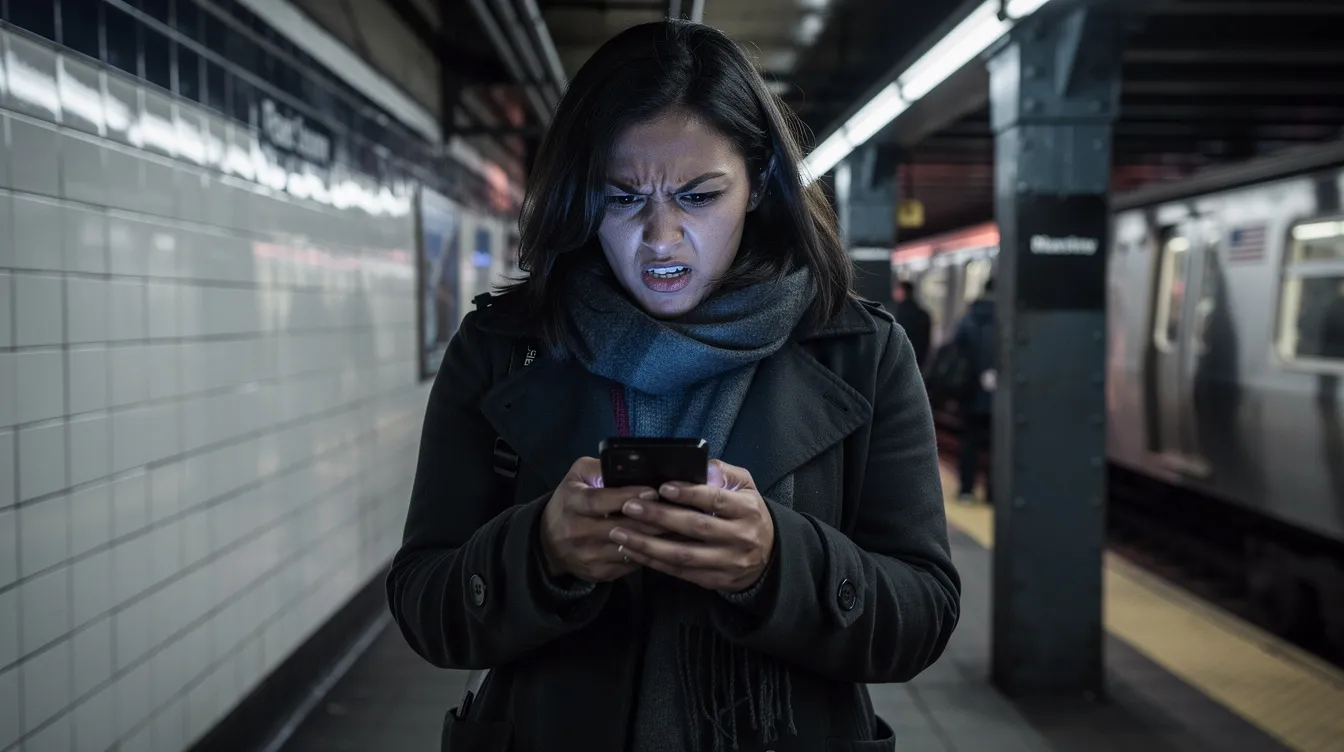
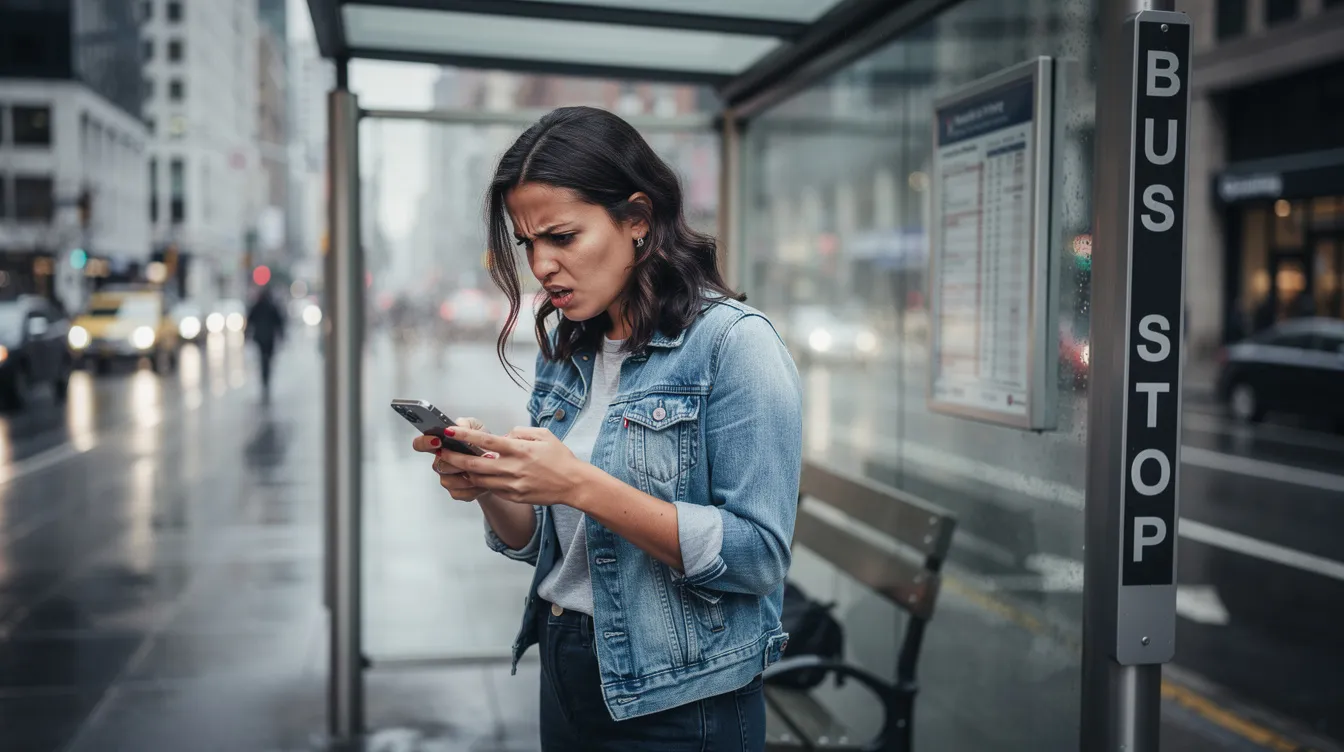
But this growth comes with a darker side. The Federal Trade Commission reported romance scam losses of $1.3 billion in 2023, escalating to an estimated $1.7 billion in 2025. Dating apps serve as the entry point for approximately 70% of these cases. Both dating services and dating sites are frequent targets for scammers, so users should be vigilant about fake or scam dating sites that can put their safety at risk.
This guide covers 11 practical ways to stay safe on dating apps in 2026—from spotting scammers and choosing safer platforms to protecting yourself both online and at in-person dates. You’ll learn to recognize fake profiles, understand common scam patterns, and take action if something goes wrong. Many fake dating sites are promoted through online ads, which can lure users to unsafe or fraudulent platforms.
When we talk about safe dating apps, we’re not just naming brands. We mean apps with robust safety features: verification tools, in-app reporting, AI moderation, and compatibility-focused matching that reduces exposure to bad actors.
At Jeter AI, we built a compatibility-first dating and events platform around science-backed assessments, AI guidance, and curated singles events. Learn more about our approach to intentional, safety-conscious dating.
The tone here is balanced and research-backed—awareness, not fear. You’ll learn 11 key safety areas, whether you’re swiping in New York, Chicago, Los Angeles, or attending AI-matched singles events.
How Common Are Dating App Scams in 2026?
Dating app scams have surged dramatically. FTC Consumer Sentinel data shows 70,000 romance scam reports in 2023, totaling $1.3 billion in losses. By 2025, preliminary figures reached 95,000 reports with $1.7 billion lost. The FBI’s Internet Crime Complaint Center (IC3) documented over 21,000 dating-specific complaints in 2024, with median losses of $2,500 per victim.
Who gets targeted? The demographics challenge common myths:
40% of victims are ages 30-50
25% are under 30
Newly divorced individuals represent 15% of cases
LGBTQ+ users show 18% overrepresentation in FTC breakdowns
Immigrants and recent widows/widowers face elevated targeting
It’s important to remember that not everyone on dating apps is genuine—users should remain vigilant and verify profiles to protect themselves.
Scam patterns have evolved beyond the classic “military deployment” story. The FBI reports a 300% rise in “pig butchering” crypto scams since 2023, where fake romance builds for months before funneling victims to bogus trading platforms. Sextortion cases jumped 50% in 2024, often starting on dating apps before migrating to Telegram.
Research from cybersecurity firms like Sophos suggests up to 10% of profiles on swipe-based apps may be fake or bot-driven. Even reputable apps face this challenge, which is why user awareness matters.
Compatibility-first tools like Jeter AI help reduce these risks through structured experiences and assessments that make it harder for scammers to maintain long cons.
9 Warning Signs of Fake Profiles and Scammers
This is the core section of this guide. Recognizing these warning signs early can protect you from emotional manipulation and financial loss. Suspicious profiles often have limited information or questionable profile pictures, such as single photos or images that seem too good to be true. Be especially cautious when interacting with such profiles, and always consider verifying their authenticity or reporting them if something feels off.
1. Too-Perfect or Stolen Photos
Profiles featuring glamour shots, inconsistent lighting, or stock-photo vibes deserve scrutiny. According to Google’s transparency data, 15% of reverse image searches on dating pics lead to stock photo sites.
Scenario: You match with someone in March 2026 whose profile shows a model-like yacht photo—yet they claim to work a modest office job.
What to do: Run a reverse image search on Google Images or TinEye immediately. If the photo appears elsewhere under different names, block and report.
2. Generic Bio with Intense Interest
Sparse profiles with vague descriptions like “entrepreneur abroad” or “international businessman” combined with overly eager messages signal trouble. Kaspersky research found 22% of scam profiles contain fewer than 50 words with copy-paste intros.
Example message: “Hi beautiful, you’re absolutely stunning. Tell me about your dreams and goals?”
What to do: If someone with almost no bio shows intense interest immediately, proceed with caution.
3. Pushing Off-App Communication Quickly
Moving conversations to WhatsApp, Telegram, or email within the first few messages bypasses platform safety tools. FBI IC3 data shows 80% of successful scams migrate off-platform early.
Example message: “This app is so glitchy! Let’s chat on WhatsApp instead—here’s my number xx”
What to do: Keep conversations in-app until you’ve verified via video call.
4. Avoiding Video Calls
Excuses like “bad connection” or “broken camera” that persist for weeks are major red flags. FTC victim reports indicate 65% of scammers consistently refuse video calls.
Scenario: Three weeks in, they’ve cancelled every video chat, always with technical excuses.
What to do: Insist on a brief video call before sharing personal details or meeting.
5. Love Bombing Early
Declarations of love within days—“You’re my soulmate” or “I’ve never felt this way”—exploit emotional vulnerability. Psychology research from the APA documents how this manipulation triggers dopamine responses that override judgment.
Example message: “I know we just matched, but I truly feel you’re the one I’ve been searching for my whole life.”
What to do: Slow down. Genuine connection develops over time, not hours. Love bombing is just one tactic—other forms of manipulation or coercive control can also occur in online dating, often taking subtle or hard-to-detect forms.
6. Money Requests (Direct or Indirect)
Any request for money, crypto, gift cards, “investment help,” or even covering travel expenses like a plane ticket is a dealbreaker. The FTC reports direct requests appear in 12% of cases, while indirect “investment opportunities” appear in 40%.
Example message: “I want to come visit you, but I can’t afford the plane ticket. Can you send me $300 so I can book my flight?” or “I’m stuck abroad and my wallet was stolen. Can you send $200 via crypto just until I get home?”
What to do: Never send money to someone you haven’t met. Period.
7. Inconsistent Stories
Job titles that change, family details that shift, timelines that don’t add up—these inconsistencies reveal deception. AI analysis by SentinelOne detects 30% inconsistency rates in scam conversation threads.
What to do: Take notes on what they tell you. If stories don’t match over time, trust your instincts.
8. Implausible Job or Location Claims
“Offshore oil rig engineer” or “UN contractor in Syria” are classic excuses that make in-person meetings impossible. These appear in 25% of IC3 romance cases.
What to do: If their situation conveniently prevents video calls and meetings indefinitely, walk away.
9. Scripted Responses and Grammar Mismatches
A “US-based doctor” with broken English or identical flirty messages over time suggests scripted bot responses. Linguistic analysis flags 18% of scam conversations as non-native patterns mismatched to claimed profiles.
What to do: Pay attention to how they write. Inconsistencies between claimed background and communication style matter.
Compatibility-focused tools like Jeter AI’s assessment can help screen matches earlier by highlighting inconsistent or unrealistic responses. Explore our love tests hub for additional verification approaches.
Common Types of Dating App Scams (Step-by-Step Examples)
Most online dating scams follow predictable patterns. When dating online, it’s important to stay vigilant and be aware of common scam tactics and suspicious behavior. Recognizing these patterns early serves as one of the safest filters you can have on any dating platform.
Romance Scams
The classic long con follows a 3-6 month arc, often orchestrated by romance scammers—individuals who create fake personas, emotionally manipulate victims, and request money under false pretenses such as travel emergencies or medical crises:
Week 1-4: Intense flattery and daily communication build trust
Month 3+: Escalating money requests ($500 to $10,000+), then ghosting
Example DM: “I’ve never connected with anyone like this. I hate to ask, but I lost my wallet overseas. Can you help me until I get home? I’ll pay you back immediately.”
The FTC documents over $1 billion in annual losses from this pattern alone.
Catfishing
False identities maintained for emotional control, ego, or smaller-scale requests. Motivations include loneliness, revenge, or gradual financial extraction. The Journal of Social Psychology notes approximately 20% of catfishing cases involve no direct financial fraud—but cause significant emotional harm.
Sugar Daddy/Sugar Baby Scams
Fake benefactors offer weekly allowances, then request “processing fees” or ask victims to return “accidental overpayments.”
Example: “I sent $3,000 but meant to send $300. Can you wire back $2,700?”
Average losses reach $2,000 per victim according to IC3 reports.
Crypto Investment Scams (Pig Butchering)
The FBI reports 400% growth in these scams since 2023:
Build romantic rapport off-app for 1+ month
Introduce a “lucky” trading platform with small demo wins
Victim deposits escalate to $50,000+
Platform locks out access; funds vanish
2026 variants include AI-generated voice notes and deepfake video “proof.”
Phishing and Link Scams
Fake “verification sites” or links to explicit content steal login credentials and personal data. These phishing and link scams are just one type of online scams targeting dating app users, representing 15% of dating app complaints to the FTC.
For a deeper understanding of compatibility versus surface-level charm, explore our 2026 love test guide.
Safest Dating Apps in 2026 (And What Makes Them Safer)
The goal isn’t crowning a single “safest” app—it’s teaching you what features to look for. Choosing a reputable online dating site with strong safety features is crucial for protecting yourself from romance scams, fake profiles, and other potential dangers. Safe dating apps share these characteristics:
Key Safety Features to Evaluate
Feature
What to Look For
Identity verification
ID checks, selfie video verification, verified badges
AI + human moderation
Active scanning for spam, scams, and repeat offenders
Reporting tools
Easy access from every chat and profile screen
Privacy controls
Options to hide last name, location, workplace
In-app communication
Video/voice calls and messaging that keep your personal phone number private—always use in-app chat instead of sharing your number for safety
Why Compatibility-First Platforms Can Be Safer
Fewer random matches mean more intentional users. Structured singles events—both virtual and in-person—with pre-screening and hosts reduce scammer access. Science-backed compatibility assessments encourage deeper, honest self-disclosure that’s harder for scammers to fake.
From our perspective at Jeter AI, we designed the platform around these principles. Our free compatibility assessment uses science-backed questions, while our token-based pricing replaces long subscriptions. Compatibility-matched singles events run across cities including New York, Philadelphia, Boston, Chicago, Atlanta, Miami, Austin, Denver, Los Angeles, San Francisco, Seattle, Toronto, and Vancouver—find one near you.
Always cross-check any app’s reputation through external reviews, safety transparency reports, and news coverage about how they respond to abuse reports.
How to Protect Yourself on Dating Apps (Practical Checklist)
This checklist addresses 2026 realities: AI-generated profiles, deepfakes, crypto scams, and cross-platform stalking. Following these steps will help you avoid losing money to scams and protect your personal safety.
Never send money, crypto, or gift cards to someone you haven’t met—including “small tests” or reimbursements for supposed overpayments. This is a key way to avoid losing money to romance scams.
Keep conversations on the dating app until verified via video call. In-app messaging provides reporting tools, blocking features, and evidence if needed.
Reverse image search profile photos using Google Images or TinEye. This takes 30 seconds and catches obvious fakes.
Use video calls early. Before meeting or sharing personal information, suggest a simple prompt: “Let’s do a quick FaceTime this week before we meet up.”
Protect your personal details. Don’t share your full name, exact address, work email, children’s information, or daily routine with new matches. Avoid linking your social media accounts early.
Use separate contact info. Create a dating-specific email and consider Google Voice for a separate phone number to limit doxxing risk.
Enable two-factor authentication and use unique passwords. This protects your bank accounts and personal information if a dating platform experiences a breach.
Trust your instincts. If you feel uncomfortable, anxious, or rushed—slow down. Walking away is always allowed.
Taking a compatibility assessment together before meeting creates natural “slow down” moments. For communication guidance, see our posts on how not to sound creepy on dating apps and how to ask about values without making it weird.
What to Do If You Encounter a Scammer
Anyone can be targeted. Reacting quickly matters more than feeling ashamed.
Step 1: Stop communicating immediately. No explaining, no closure—just stop replying and cease all contact with the scammer.
Step 2: Take screenshots of the profile, chat history, payment requests, and suspicious links before they unmatch or delete. Taking screenshots preserves evidence for reporting, even if the other person blocks or unmatches you.
Step 3: Report the profile using the app’s built-in tools. This protects other users.
Step 4: Block everywhere—dating app, social media, phone, messaging apps.
Step 5: Contact your bank if you shared money or financial information. Ask about chargebacks or account freezes. For crypto, contact the exchange immediately.
Step 6: File official reports with the FTC, FBI IC3, or local police. Include transaction IDs and screenshots.
Consider identity theft monitoring if personal data was shared. And importantly—talk to a trusted friend or therapist. Feelings of shame and betrayal are normal. Many scammers are sophisticated professionals; anyone can fall victim, regardless of background. Reaching out to friends for support and advice can help you process the experience and stay safer in the future.
How to Stay Safe When Meeting In Person
Even on safer apps, the moment of meeting IRL is where physical safety matters most—whether from a standard app or a curated event like Jeter AI’s singles mixers.
Always meet in a public place for the first 1-3 dates. Choose busy cafes, bars, or event venues with staff and security cameras.
Tell a friend where you’re going, who you’re meeting, and when you expect to return. Share your live location via your phone.
Arrange your own transportation. Don’t let a first date pick you up or drop you at your exact address.
Keep personal details private. Avoid sharing your home address, workplace, or children’s routines until trust develops over time.
Stay prepared. Keep your phone charged and easily accessible. Choose seating near staff or exits if you feel uneasy.
Structured singles events add extra safety layers—hosts, group settings, and pre-screening. Plan an exit strategy in advance (a friend who can call mid-date, or a set departure time) so you feel empowered to leave if uncomfortable, and remember you should never feel pressured to stay in any situation that makes you uneasy.
Common Mistakes That Make You More Vulnerable
Scams are never the victim’s fault. But certain habits increase risk. Here’s gentle guidance, not blame.
One common mistake is focusing on matching quickly rather than taking the time to build a genuine connection. Remember, the true goal of using safe dating apps is to develop a real relationship, not just to collect matches or rush into meeting someone. Prioritizing authentic communication and emotional connection helps you spot red flags and avoid scams, while also increasing your chances of finding a meaningful relationship.
Trusting Too Quickly
Intense emotional chemistry—especially combined with long distance or constant text messages—can override judgment. Genuine relationships develop through verified interactions over time.
Safer alternative: Verify identity via video before emotional investment.
Ignoring Early Red Flags
Dating fatigue makes it tempting to overlook inconsistencies, pressure, or secrecy. Don’t.
Safety depends on features, moderation, and your behavior—not a single brand name. Look for apps with identity verification, active AI and human moderation, easy reporting tools, and privacy controls. Compatibility-focused platforms like Jeter AI add structure that reduces random scammer access.
How do I know if someone on a dating app is real?
Video calls are the most reliable verification. Cross-check social media profiles cautiously (scammers create fake accounts). Watch for consistency over time—real people have coherent stories, varied photos, and willingness to meet. Our crush compatibility test can help assess substance beyond surface charm.
Are dating apps safe in 2026?
Dating apps serve hundreds of millions of users with relatively few scam victims—but the scams that do happen cause significant harm. AI moderation and verification technology continue improving. Your awareness and verification habits remain the most important safety layer. Over 300 million people have found genuine relationships through online dating.
While technology has introduced new risks, it also offers innovative tools to enhance your safety. Features like mandatory photo verification and AI moderation help weed out fake profiles and scammers, while in-app video calls allow you to verify your love interest without sharing more personal information prematurely. Utilizing these tools can help you feel comfortable and confident as you navigate the dating world.
Stay Educated and Vigilant
Scammers continuously evolve their tactics, so staying informed about the latest scams and warning signs is essential. Regularly reviewing online reviews and updates from trusted sources like the Federal Trade Commission can keep you ahead of emerging threats. Remember, no app is foolproof, but your awareness is a critical line of defense.
Prioritize Your Wellbeing
Dating should be an enjoyable experience, not a source of stress or fear. Trust your instincts and set boundaries that protect your emotional and financial wellbeing. If you ever feel pressured or uneasy—whether online or during an in-person meeting—don’t hesitate to step back. Your safety and comfort are paramount.
By combining smart app choices, cautious communication, and informed decision-making, you can create a positive dating experience that leads to genuine connections. In 2026, safe dating apps are more accessible than ever—use them to your advantage and date smart, not scared.
Conclusion: Date Smart, Not Scared
Safe dating apps combined with informed users create the best defense against scams and unsafe situations. The key points from this guide:
Recognize the 9 warning signs of fake profiles
Choose apps with strong safety features (verification, moderation, reporting)
Protect your personal information and keep conversations in-app initially
Act quickly if something feels off
Take precautions when meeting in person
Online dating and AI-driven compatibility tools can be powerful when used intentionally. The goal isn’t fear—it’s smarter dating.
If you’re tired of endless swiping or worried about safety, consider a compatibility-first approach. Take our free [compat
Be The First to Date Smarter
Join our pre-launch waitlist and get 6 free compatibility tokens ($15 value) at launch. Find out if there’s real compatibility before investing your time on dates.
No spam. Just early access and free compatibility tokens.
We’ll email you when Jeter AI is live.
We respect your inbox. No spam, just exciting updates.
Additional
Related Insights For You
Join thousands of daters moving from guesswork to guidance.
In 2025, two coworkers began dating after months of collaboration, but their
25 min read
FAQ
Frequently Asked Questions
Join thousands of daters moving from guesswork to guidance.
How do compatibility-based events work?
Before the event, participants complete the free Jeter compatibility assessment. For virtual speed dating, our AI matches you with compatible participants one hour before the event starts. For in-person events, you can share your compatibility link or QR code during conversations, then review compatibility insights after the event to decide who to follow up with.
Do I need to complete the assessment before attending an event?
Yes, for virtual speed dating events where we pre-match participants based on compatibility. For in-person events (mixers, themed nights), you can complete the assessment beforehand or create your profile at the event—but completing it in advance helps you share your compatibility link more easily and get better post-event insights.
What's the difference between virtual and in-person events?
Virtual speed dating happens online with video dates—you’re matched with compatible participants for 5-minute conversations. In-person events bring people together face-to-face at venues in your city (speed dating, mixers, themed nights). Both event types use compatibility insights to enhance connections, but virtual events emphasize pre-matching while in-person events focus on natural interaction with optional compatibility follow-up.
How much do events cost?
Event pricing varies by format, location, and type. Virtual speed dating events typically range from $25-$45. In-person events range from $35-$75 depending on the venue and format. All event pricing is clearly listed on individual event pages. The compatibility assessment is always free—you only pay for event attendance.
What happens after the event?
After any Jeter event, you can review match requests from people you connected with. If someone shared their compatibility link with you (or vice versa), you can unlock detailed compatibility insights using a Compatibility Token. This helps you decide who to follow up with based on actual alignment, not just first impressions. Match requests and compatibility links don’t expire, so review them whenever you’re ready.
We Value Your Privacy
We use cookies to improve your browsing experience, analyze site traffic, and personalize content. By clicking “Accept,” you agree to our use of cookies. You can manage your preferences or learn more in our Cookie Policy.
Functional
Always active
The technical storage or access is strictly necessary for the legitimate purpose of enabling the use of a specific service explicitly requested by the subscriber or user, or for the sole purpose of carrying out the transmission of a communication over an electronic communications network.
Preferences
The technical storage or access is necessary for the legitimate purpose of storing preferences that are not requested by the subscriber or user.
Statistics
The technical storage or access that is used exclusively for statistical purposes.The technical storage or access that is used exclusively for anonymous statistical purposes. Without a subpoena, voluntary compliance on the part of your Internet Service Provider, or additional records from a third party, information stored or retrieved for this purpose alone cannot usually be used to identify you.
Marketing
The technical storage or access is required to create user profiles to send advertising, or to track the user on a website or across several websites for similar marketing purposes.


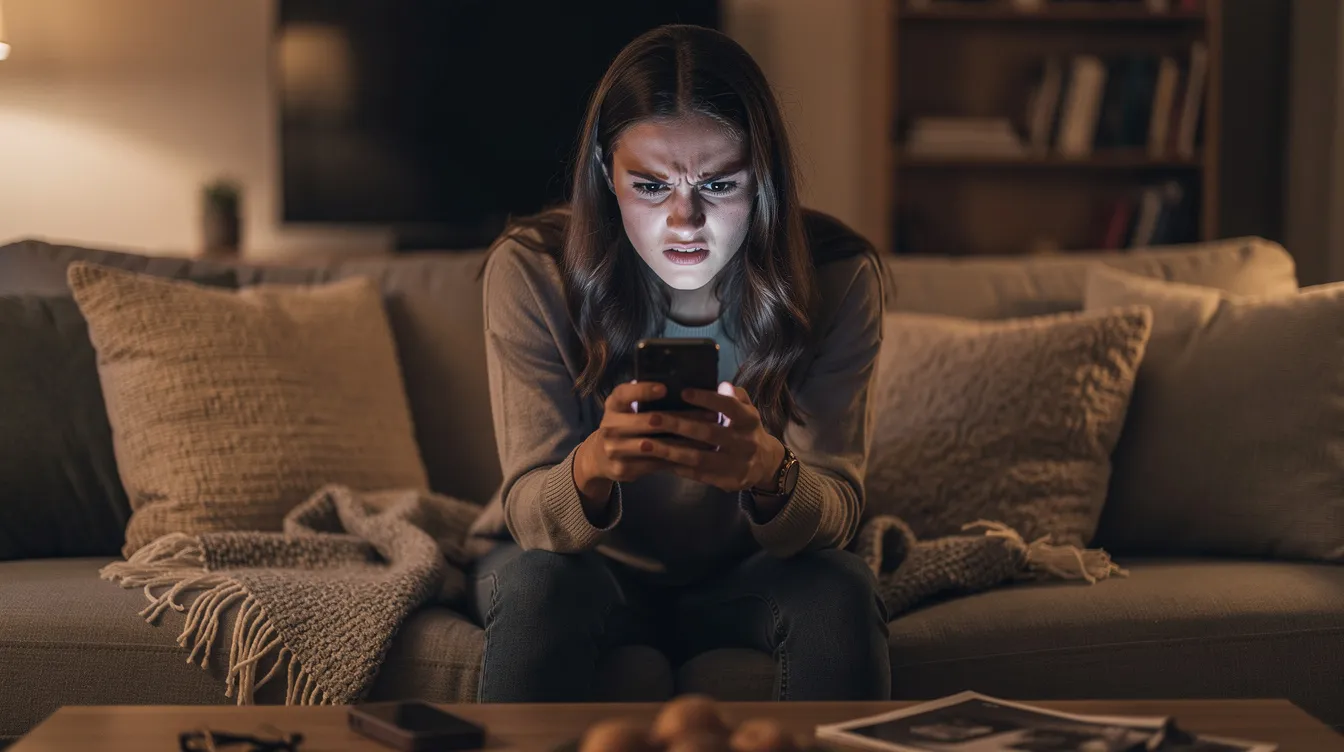
 But this growth comes with a darker side. The Federal Trade Commission reported romance scam losses of $1.3 billion in 2023, escalating to an estimated $1.7 billion in 2025. Dating apps serve as the entry point for approximately 70% of these cases. Both dating services and dating sites are frequent targets for scammers, so users should be vigilant about fake or scam dating sites that can put their safety at risk.
This guide covers 11 practical ways to stay safe on dating apps in 2026—from spotting scammers and choosing safer platforms to protecting yourself both online and at in-person dates. You’ll learn to recognize fake profiles, understand common scam patterns, and take action if something goes wrong. Many fake dating sites are promoted through online ads, which can lure users to unsafe or fraudulent platforms.
When we talk about safe dating apps, we’re not just naming brands. We mean apps with robust safety features: verification tools, in-app reporting, AI moderation, and compatibility-focused matching that reduces exposure to bad actors.
At Jeter AI, we built a compatibility-first dating and events platform around science-backed assessments, AI guidance, and curated singles events. Learn more about our approach to intentional, safety-conscious dating.
The tone here is balanced and research-backed—awareness, not fear. You’ll learn 11 key safety areas, whether you’re swiping in New York, Chicago, Los Angeles, or attending AI-matched singles events.