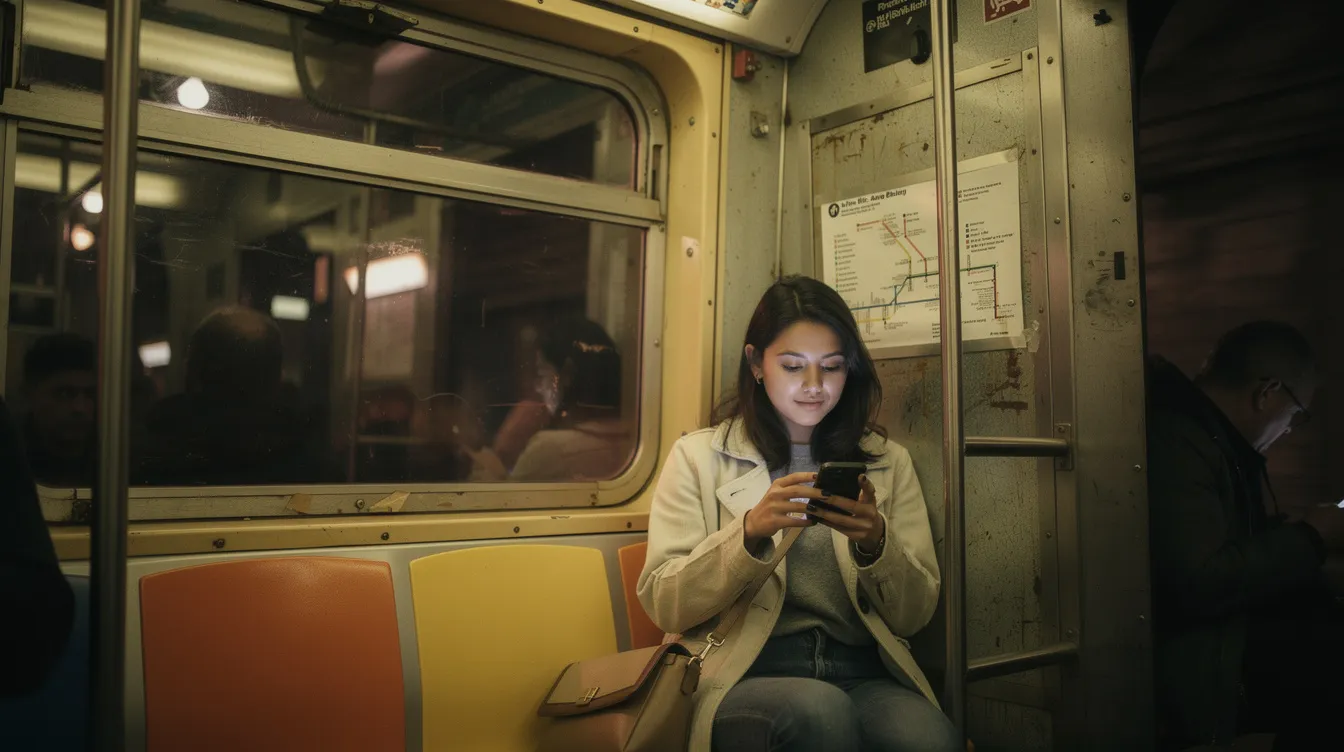
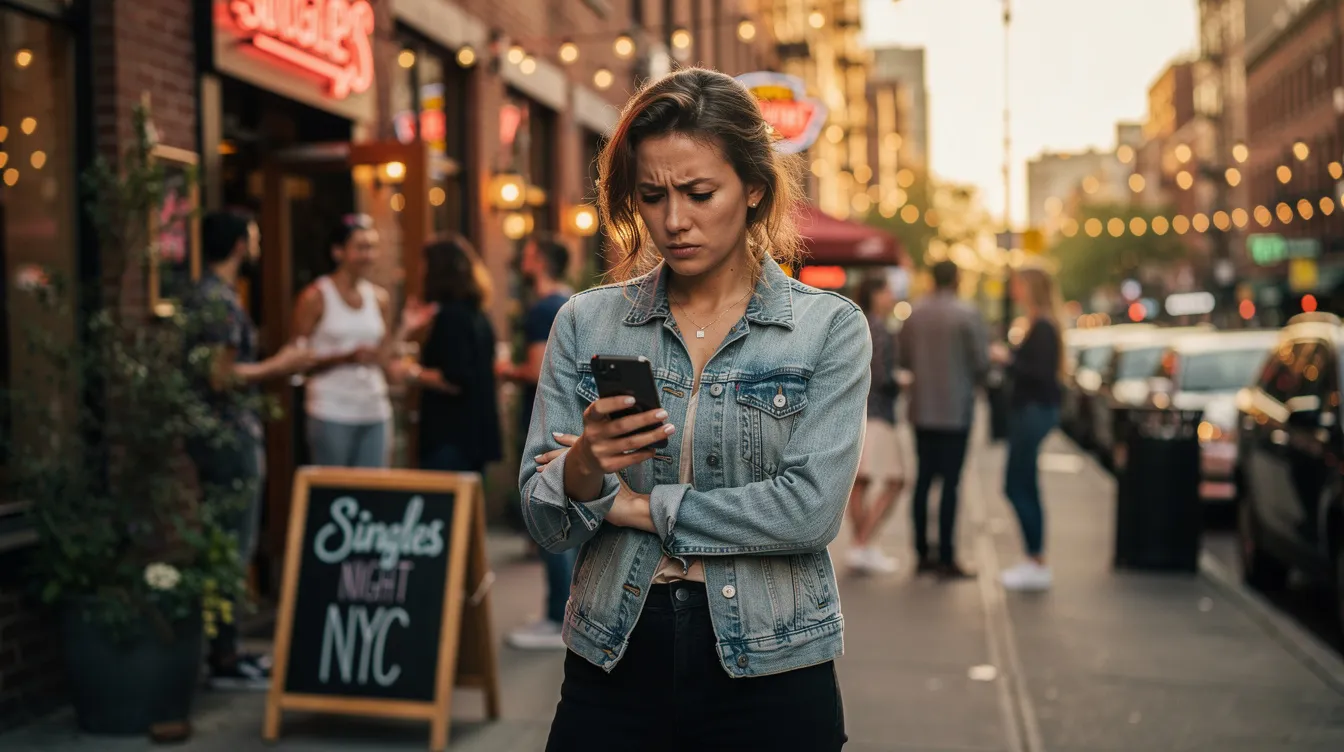
It’s a Tuesday night in the East Village in 2026. At any given bar, half the people are mid-conversation while the other half scroll through Hinge between sips. Someone just got ghosted after a fourth date. Another person has three first dates scheduled this week and feels exhausted already. New Yorkers, known for their resilience, fast-paced hustle culture, and bold personalities, bring a unique energy and intensity to the city’s dating scene. Welcome to dating in NYC—where so many people are looking for connection yet finding it feels harder than ever.
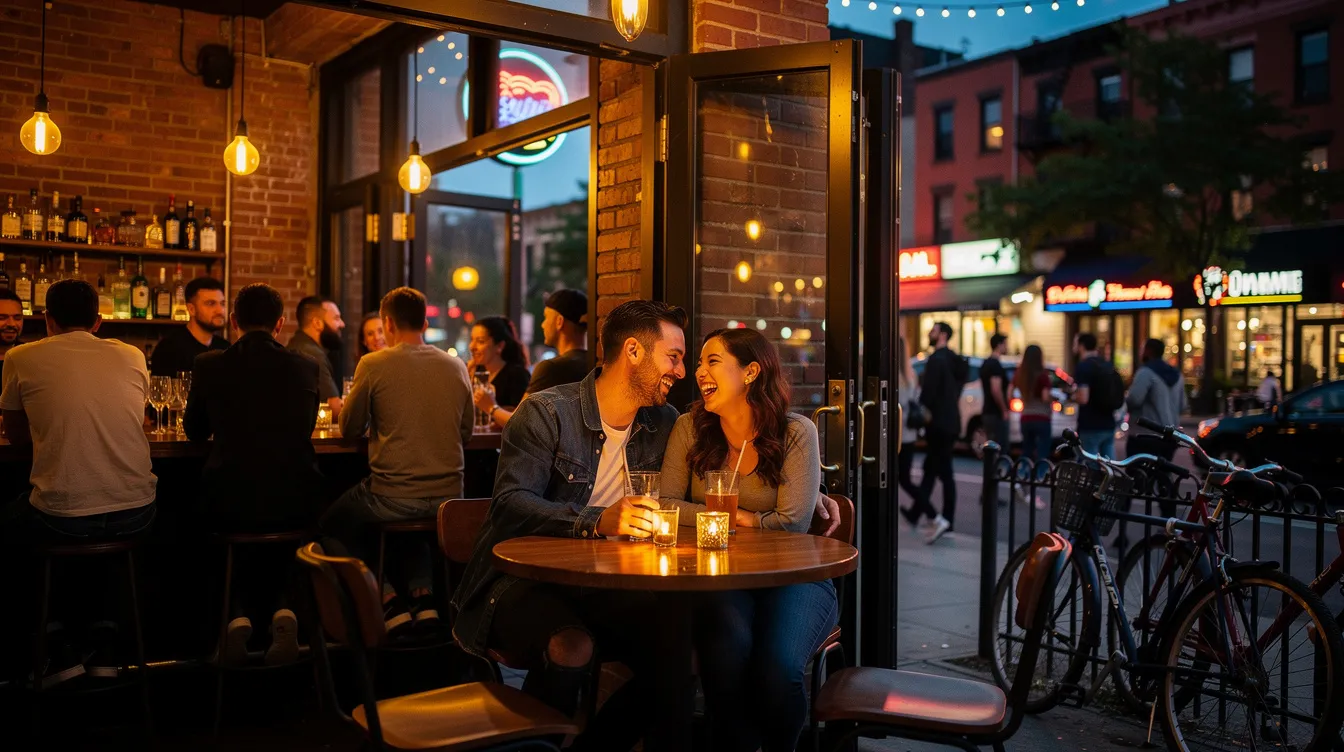
The high-stakes nature of dating in New York City means many feel pressure to present a polished image, leading to anxiety and a real fear of rejection. According to a Thriving Center of Psychology survey, 84% of singles aged 18-42 report experiencing ghosting.
Why Dating in NYC Feels So Different
The fast paced lifestyle in New York fundamentally changes how relationships form. Professionals in finance in Midtown, tech startups in Soho, and media roles across Manhattan regularly log 60-80 hour weeks (NYC Department of Labor). Add commuting between boroughs—45 to 90 minutes from Brooklyn to the Upper West Side (MTA Subway Info)—and you’re left with tiny windows for actual dates.
Then there’s the paradox of choice. Apps like Hinge, Bumble, Tinder, and The League show thousands of profiles within a 10-mile radius. Research from Psychological Science (Psychological Science Journal) found that viewing more profiles leads to increased dissatisfaction and a persistent “there’s always someone better” mentality. NYC makes this worse with endless bar scenes, artisanal Brooklyn mixers, and too many options at every turn. For tips on spotting a great match instantly, check out Dating Profile Green Flags: What Actually Matters Beyond the Photos.
Career-driven culture adds another layer. Many singles in their late 20s to mid-30s delay commitment until post-35 stability, viewing dating as secondary to professional climbing in a city where ambition is basically currency (Forbes on NYC Career Culture).
The diversity of dating preferences complicates things further:
Brooklyn leans toward open relationships and polyamory in neighborhoods like Williamsburg (Brooklyn Magazine)
Traditional expectations remain strong in certain immigrant and religious communities in Queens (NYC.gov Diversity Report)
Casual hookups via late-night apps exist alongside serious seekers at niche events (NY Post on NYC Dating)
This is why Jeter AI’s compatibility-first approach cuts through the overwhelm to help NYC singles quickly see who’s actually aligned before investing precious time.
Real Dating Experiences in New York City
Behind the statistics are real stories that capture NYC dating culture.
A woman’s perspective: A 31-year-old marketing manager in Williamsburg describes juggling 10-15 Hinge chats weekly, only to be ghosted after four promising dates with a guy from the Upper West Side who cited “work emergencies” before vanishing into months-long situationship limbo. She shares, “It made me feel disposable, like just another option in a huge, endless dating pool.” For advice on reading profiles to predict compatibility early, see How to Read a Dating Profile So You Can Predict Compatibility Before You Match.
A man’s perspective: A 34-year-old software engineer in Long Island City reports scheduling 2-3 dates per week via Bumble and The League, yet facing constant last-minute cancellations. “Everyone seems to maintain a rotation of 3-5 people,” he says. “It’s basically a numbers game where nobody wins.” He found that early messaging quality mattered, as explored in First Messages on Dating Apps: Do They Predict Date Quality?.
Another story: One New Yorker recounts a “last date” experience that was both lavish and abrupt. After a $200 dinner and a comedy show, the guy ended things the next day, saying “it wasn’t the right connection.” This left her questioning the emotional investment in a city where time and money matter so much (Business Insider on NYC Date Costs).
Quotes from real NYC daters:
“In this city, you have to expect that people are dating multiple others at once. It’s not personal, just how the scene works.” — Sarah, 29, graphic designer
“I personally found that meeting people through mutual friends felt safer. You actually hear about them beforehand, so ghosting is less common.” — Mike, 35, financial analyst
“The shit people pull here can be exhausting, but I try to stay hopeful and remind myself why I’m dating in the first place: to find real connection.” — Jenna, 27, teacher
“One sign that someone’s serious is when they make time despite their crazy schedule. If they don’t, they probably don’t really desire a relationship.” — Carlos, 32, tech consultant
“Talking phases” stretching 2-4 months without exclusivity
Dating multiple people simultaneously as the norm, not exception (OnePoll Survey 2023)
Many interactions on dating apps fail to lead to genuine relationships or emotional fulfillment, leaving singles feeling stuck in cycles of surface-level connections that rarely progress to something deeper.
“Dating here feels like competing for calendar space, not connection,” says Dr. Lisa Firestone, clinical psychologist and author of Relationship Rescue. She emphasizes the emotional toll of this fast-paced environment and advises daters to “focus on quality over quantity and set clear boundaries to protect your emotional well-being.” (Psychology Today)
One case study from a Lower East Side mixer: two people met, realized via a compatibility assessment they wanted different commitment levels—one seeking casual fun, the other exclusivity—and parted amicably after one coffee date. No wasted months. No drawn-out confusion.
NYC Dating by the Numbers (Data & Trends)
Behind the horror stories lie hard numbers explaining why the NYC dating scene feels different.
Key statistics to know:
Metric
Data Point
Source
Gender ratio (apps)
57% women, 43% men
eHarmony NYC data
Ghosting rate
84% of ages 18-42
Thriving Center of Psychology
App exhaustion
~80% of Millennials/Gen Z
2023 OnePoll survey
Average date cost
$144
Business Insider
Dates before exclusivity
5-10 dates or 2-4 months
Aggregated urban studies
Dating app penetration in NYC runs 15-20% above national averages, with 70-80% of 20-40-year-olds using at least one platform. The sheer number of profiles creates choice overload that leads to decision paralysis.
This data explains why compatibility-focused tools like Jeter AI are part of a wider trend: less swiping, more data-driven matching, and more curated singles events where people are pre-screened for alignment.
NYC dating is less about “finding anyone” and more about managing specific recurring obstacles.
High competition and “grass is greener” mindset Constant exposure to attractive, ambitious people—on apps, at work, at networking events—amplifies fear of settling. When you can swipe through 50-100 profiles daily, commitment feels premature (Harvard Business Review on Choice Overload).
Emotional burnout Managing 20+ chat threads after late nights at Midtown offices makes dating feel like a second job. Nearly 80% report exhaustion from endless swiping, fostering cynicism over vulnerability (OnePoll Survey 2023).
Logistics nightmares
Brooklyn to UWS = 45-60 minutes with subway delays (MTA Subway Info)
Weekend-only availability clashing with packed social calendars (NYC Time Use Survey)
Rushed 90-minute dates that rarely build depth
Financial pressure NYC tops the list as the most expensive dating city. With cocktails at $20-25 and dinners pushing $100+, maintaining 2-3 weekly first dates becomes unsustainable on median incomes (Business Insider on NYC Date Costs).
Psychological strain Comparing your romantic life to friends who seem to “have it all” raises expectations to unrealistic levels. In a city of 8.4 million, random people you’ve never met become competition you can’t escape (NYC Population Data).
Understanding Dating Etiquette in NYC
Navigating the NYC dating scene means understanding a set of unwritten rules shaped by the city’s fast-paced, diverse dating culture. In the Big Apple, being punctual isn’t just polite—it’s a sign of respect for someone else’s packed schedule. When you’re meeting for a first date, whether it’s at a cozy coffee shop or catching a comedy show downtown, showing up on time and being present sets the tone for a meaningful connection.
Honesty and clear communication are essential in a city where so many people are juggling work, social lives, and multiple dating options. If you’re interested, say so. If you’re not, don’t ghost—just be upfront. The sheer number of people in the NYC dating pool can make it easy to feel disposable, but genuine, respectful behavior stands out and helps foster real connection.
NYC dating etiquette also means being open-minded and willing to step outside your comfort zone. With such a vibrant mix of backgrounds and lifestyles, you’ll meet new people with perspectives different from your own. Embrace the adventure—try a new neighborhood, say yes to a spontaneous invite, or strike up a conversation with someone at a bar or event. The city rewards those who are willing to take a chance.
Ultimately, the best way to thrive in the NYC dating scene is to treat each person you meet with kindness and authenticity. In a city that never slows down, these small gestures can make all the difference in turning a random encounter into a real connection.
Overcoming Rejection in the NYC Dating Scene
Rejection is a reality for anyone navigating the NYC dating scene, but it doesn’t have to define your experience. With such a large dating pool and the constant influx of new people through dating apps and networking events, it’s easy to feel like dating in New York is just a numbers game (Thriving Center of Psychology). But remember: every “no” brings you closer to the right match.
If you find yourself going on multiple dates without finding a meaningful connection, don’t get discouraged. The city is full of opportunities to expand your social circle—whether through online dating, attending networking events, or joining group activities. Each new person you meet is a chance to learn more about what you want in a committed relationship.
It’s important to keep an open mind and not take rejection personally. Often, it’s simply a matter of timing, compatibility, or someone else’s priorities—not a reflection of your value. Focus on your own growth and happiness, and use each experience as a stepping stone toward a happy relationship.
Stay persistent, be true to yourself, and don’t be afraid to try new approaches—whether that means switching up your dating apps, saying yes to a different kind of event, or reaching out to someone outside your usual type. In a city as dynamic as NYC, the next connection could be just around the corner. By staying positive and intentional, you’ll increase your chances of finding the match that truly fits your life and goals.
Expert Advice: How to Actually Succeed in NYC Dating
Relationship psychologists working with NYC singles, including those at Thriving Center of Psychology, offer concrete strategies for navigating this world.
Be intentional with dating goals Define what you want—casual exploration, committed relationship, marriage and kids—and communicate by date 2-3. This filters mismatches before emotional investment grows.
Combat app fatigue strategically:
Set daily swipe caps (30 minutes max)
Designate specific “app hours” rather than constant checking
Delete apps periodically for IRL resets
Prioritize depth-focused apps over volume-driven ones
Communicate early and directly Ask about relationship goals by the second or third date. Clarify expectations around exclusivity. Be honest about schedule constraints—“My weeks are packed; let’s plan Thursday” beats vague “sometime.” For questions that build chemistry fast, see Questions to Ask Before a First Date.
Set boundaries against NYC’s casual culture:
Reject “you up?” texts if that’s not what you want
Don’t chase someone across boroughs if effort is one-sided
Exit situationships lacking reciprocity
Dr. Firestone advises, “NYC daters must nurture resilience and self-compassion. Remember, rejection is often about the other person’s issues, not your worth. Keep your social circle supportive and step out of your comfort zone to meet new people.”
Compatibility science underpins success: values alignment, communication styles, and emotional availability predict longevity more than initial attraction. Jeter AI uses science-backed assessments to help NYC daters screen for alignment before investing calendar space, subway rides, and emotional energy.
Best Ways to Meet People in NYC (Beyond Dating Apps)
Apps are common but not the only—or even best—way to meet people in New York City.
Professional and social spaces:
Industry networking events in Midtown WeWork spaces (WeWork NYC)
Alumni events at NYU, Columbia, or other universities (NYU Alumni)
Commit to 1-2 recurring activities rather than hopping between one-off experiences. Consistency creates familiarity, and familiarity builds real connection.
Dating Apps in NYC: What Works and What Doesn’t
Apps are tools, not solutions. In NYC, their impact depends entirely on intentional use.
Pros of major apps:
Jeter AI differentiates from traditional apps by offering compatibility reports through link or QR sharing, giving both people clarity before the first drink.
First Date Tips and Ideas in New York City
First dates in NYC don’t need to be elaborate or expensive to be memorable.
Low-pressure ideas:
Choose midpoint locations (Flatiron works for cross-borough)
Keep duration to 60-90 minutes
Pick subway-friendly spots to dodge transfer delays (MTA Trip Planner)
Safety first:
Meet in public only
Share live location with a friend
Set a preset end time
Trust your gut if something feels wrong
Weave in gentle compatibility questions: “Weekend routine?” or “What are you honestly looking for?” goes further than surface small talk.
How to Build a Real Relationship in NYC
Escaping the situationship pattern requires explicit action.
Transitioning from casual to serious:
Have the exclusivity talk by date 5-7
Mutually delete apps when ready
Gradually integrate into friend groups and routines
Communication and consistency:
Daily check-ins despite demanding schedules
Plan ahead around work and travel
Show reliability over flakiness
Managing expectations:
Accept that your partner has a full life (friends, career, hobbies)
Prioritize quality time over constant contact
Build shared rituals—weekly date night, regular walks, favorite neighborhood spots
Emotional availability:
Identify anxious or avoidant patterns (therapy openness is rising in NYC) (NYC Therapy Resources)
Express needs directly
Reject vagueness or noncommittal behavior
Couples can use compatibility tools beyond the initial match. Jeter AI reports help partners understand conflict styles, values, and potential friction points—useful for maintaining a happy relationship over time.
The Future of Dating in NYC
Dating in New York is shifting post-2020s. More people reject endless swiping and demand intentional connections.
Trends reshaping the landscape:
AI and personality-based pairing beyond demographics (Jeter AI)
Data-informed event matching using proprietary algorithms
Curated, compatibility-matched events replacing random mixers
Jeter AI fits this evolution with its free compatibility assessment, token-based detailed reports, and patent-pending algorithm for virtual and in-person speed dating.
Gen Z and Millennial expectations are changing:
More openness about therapy and attachment styles (Psychology Today)
Transparency around mental health
Interest in nontraditional relationship structures
Financial alignment discussions happening earlier
Lifestyle matching on remote work, kids, and borough preferences
The next few years present an opportunity to date with more clarity and tools—not more apps and confusion.
Final Thoughts: Is Dating in NYC Really That Hard?
The big apple’s dating challenges—choice overload, logistics, burnout—make it uniquely demanding but far from impossible. The difficulty usually comes from unstructured, reactive dating rather than anything fundamentally wrong with the dating pool.
Success hinges on structured intentionality over reactive volume. It makes sense to prioritize alignment over attraction, clarity over chemistry alone.
Real stories exist of NYC singles finding love once they shifted from the “endless options” mindset to seeking a right match and meaningful connection. Running clubs, brave bar conversations, compatibility-matched events—all this becomes possible when you approach dating with an open mind rather than desperation.
Dating in New York isn’t doomed. It just rewards those who date smarter.
Ready to try a different approach? Take Jeter AI’s free compatibility assessment and discover who you’re actually aligned with before your next first date. Or join a compatibility-matched singles event in NYC where everyone’s already screened for real connection potential.
Be The First to Date Smarter
Join our pre-launch waitlist and get 6 free compatibility tokens ($15 value) at launch. Find out if there’s real compatibility before investing your time on dates.
No spam. Just early access and free compatibility tokens.
We’ll email you when Jeter AI is live.
We respect your inbox. No spam, just exciting updates.
Additional
Related Insights For You
Join thousands of daters moving from guesswork to guidance.
In 2025, two coworkers began dating after months of collaboration, but their
25 min read
FAQ
Frequently Asked Questions
Join thousands of daters moving from guesswork to guidance.
How do compatibility-based events work?
Before the event, participants complete the free Jeter compatibility assessment. For virtual speed dating, our AI matches you with compatible participants one hour before the event starts. For in-person events, you can share your compatibility link or QR code during conversations, then review compatibility insights after the event to decide who to follow up with.
Do I need to complete the assessment before attending an event?
Yes, for virtual speed dating events where we pre-match participants based on compatibility. For in-person events (mixers, themed nights), you can complete the assessment beforehand or create your profile at the event—but completing it in advance helps you share your compatibility link more easily and get better post-event insights.
What's the difference between virtual and in-person events?
Virtual speed dating happens online with video dates—you’re matched with compatible participants for 5-minute conversations. In-person events bring people together face-to-face at venues in your city (speed dating, mixers, themed nights). Both event types use compatibility insights to enhance connections, but virtual events emphasize pre-matching while in-person events focus on natural interaction with optional compatibility follow-up.
How much do events cost?
Event pricing varies by format, location, and type. Virtual speed dating events typically range from $25-$45. In-person events range from $35-$75 depending on the venue and format. All event pricing is clearly listed on individual event pages. The compatibility assessment is always free—you only pay for event attendance.
What happens after the event?
After any Jeter event, you can review match requests from people you connected with. If someone shared their compatibility link with you (or vice versa), you can unlock detailed compatibility insights using a Compatibility Token. This helps you decide who to follow up with based on actual alignment, not just first impressions. Match requests and compatibility links don’t expire, so review them whenever you’re ready.
We Value Your Privacy
We use cookies to improve your browsing experience, analyze site traffic, and personalize content. By clicking “Accept,” you agree to our use of cookies. You can manage your preferences or learn more in our Cookie Policy.
Functional
Always active
The technical storage or access is strictly necessary for the legitimate purpose of enabling the use of a specific service explicitly requested by the subscriber or user, or for the sole purpose of carrying out the transmission of a communication over an electronic communications network.
Preferences
The technical storage or access is necessary for the legitimate purpose of storing preferences that are not requested by the subscriber or user.
Statistics
The technical storage or access that is used exclusively for statistical purposes.The technical storage or access that is used exclusively for anonymous statistical purposes. Without a subpoena, voluntary compliance on the part of your Internet Service Provider, or additional records from a third party, information stored or retrieved for this purpose alone cannot usually be used to identify you.
Marketing
The technical storage or access is required to create user profiles to send advertising, or to track the user on a website or across several websites for similar marketing purposes.


 The high-stakes nature of dating in New York City means many feel pressure to present a polished image, leading to anxiety and a real fear of rejection. According to a Thriving Center of Psychology survey, 84% of singles aged 18-42 report experiencing ghosting.