


“Many people are not addicted to the person. They’re addicted to the emotional rollercoaster.”
That line resonates because many people know a relationship is unhealthy, yet still feel unable to leave. Toxic relationships can create obsession, craving, withdrawal, anxiety, attachment highs and lows, and a powerful sense that life without the toxic person would feel impossible.
A toxic relationship is usually marked by emotional chaos, disrespect, manipulation, emotional abuse, emotional or physical abuse, control, or repeated toxic behaviors that erode self esteem and mental health over time. The core idea is simple: toxic relationships don’t just hurt emotionally – they can function like behavioral addictions, activating reward, stress, and attachment systems that overlap with mechanisms seen in drug addiction.
In this guide, we’ll break down why toxic relationships feel addictive through neuroscience, trauma bonding, attachment styles, childhood conditioning, and modern dating culture. At Jeter AI, we focus on compatibility science because choosing emotionally safe partners starts with understanding patterns before they become a trauma bonded relationship.


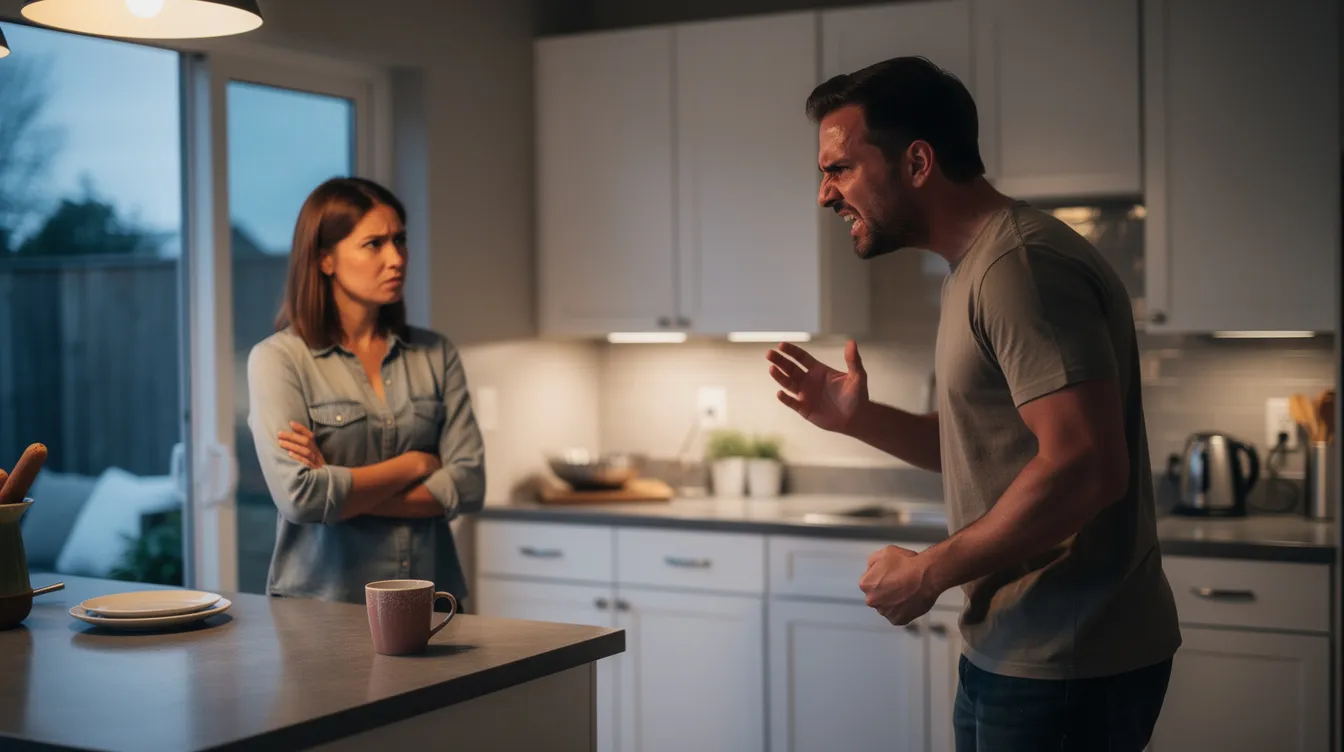







Why Toxic Relationships Feel So Intense
Toxic relationships often feel like “the strongest love you’ve ever had” because they create extreme emotional highs and lows. One day there are positive interactions, intense affection, and good moments. The next day there may be silence, criticism, jealousy, withdrawal, or abuse. This emotional whiplash keeps the brain preoccupied. Hot-and-cold behavior, intermittent affection, and love bombing followed by distance all create uncertainty. The unpredictable nature of the relationship makes the person seek reassurance, answers, and emotional relief. “The brain often mistakes emotional intensity for love.” But intensity is not compatibility. Common intense-but-toxic patterns include:- Constant breakups and reunions
- All-night fights followed by passionate apologies
- Jealousy framed as love
- Silent treatment followed by sudden affection
- Threats to leave followed by positive moments
- Feeling anxious most of the time, then euphoric when things briefly improve
The Science of Dopamine and Toxic Relationships
Dopamine is not just a pleasure chemical. It is deeply involved in reward prediction, motivation, anticipation, and learning. Brain-imaging research on romantic love has found activation in dopamine-rich reward regions, including the ventral tegmental area and caudate nucleus, when people view someone they love, according to research published through the NIH National Library of Medicine. That helps explain dopamine and toxic relationships. When someone ignores you for two days and then sends “I miss you,” the brain treats the message like a reward after deprivation. The uncertainty makes the reward feel bigger. This is why toxic relationship addiction can resemble gambling. Unpredictable texts, sudden apologies, affection after conflict, or rare moments of tenderness can trigger stronger reward anticipation than steady love. Cortisol and adrenaline add another layer: conflict raises stress, then reconciliation creates relief. That relief can feel like a high. Toxic relationships can often feel addictive due to the emotional highs and lows they create, similar to the effects of drug addiction. Romantic rejection research also shows that separation can activate both pain and reward systems, which helps explain craving, withdrawal, and obsessive thinking after conflict or breakup.What Is Trauma Bonding?
A trauma bond is a strong, unhealthy emotional attachment that forms between a person and the person who abuses or mistreats them, often resulting from a cycle of abuse followed by positive reinforcement. In plain language: emotional pain, fear, rejection, affection, and validation become linked. “You become attached to the relief, not just the person.” The cycle often looks like this:- Conflict or threat
- Fear, shame, or confusion
- Reconciliation
- Intense affection
- Temporary hope
- Another painful episode
Why Healthy Love Can Feel “Boring” After Toxic Relationships
“When your nervous system is used to chaos, peace can feel boring.” After toxic relationships, healthy love may feel calm, stable, and predictable – which can be misread as “no spark.” A reliable person may seem “too nice” because the body is no longer riding adrenaline, cortisol, and emotional uncertainty. This is not always a chemistry problem. It is often a nervous system problem. Chronic stress can condition the body to expect emotional activation. When that activation disappears, calm can feel unfamiliar or emotionally flat. Trauma informed therapy often helps people understand hyperarousal versus regulation. In hyperarousal, the body scans for danger. In regulation, the body can rest, connect, and feel safe. Over time, what once felt boring can become relief, safety, and real intimacy.
How Attachment Styles Influence Toxic Attraction
Attachment theory, developed through the work of John Bowlby and Mary Ainsworth, explains how early experiences shape the way people bond in adult lives. The American Psychological Association defines attachment theory as a framework for understanding emotional bonds and security. Anxious attachment and avoidant attachment can strongly influence romantic relationships. They can also increase vulnerability to becoming trauma bonded, especially when emotional availability is inconsistent. Jeter AI’s approach looks at communication style and emotional availability so singles can spot red flags before they are deeply attached; you can see more in how Jeter’s dating compatibility test works.Anxious Attachment
Anxious attachment often includes fear of abandonment, overthinking, difficulty tolerating space, and a constant need for reassurance. A person with anxious attachment may feel intense feelings when someone pulls away, then huge relief when affection returns. This pattern can connect to low self esteem and early experiences with inconsistent caregivers, neglect, or emotional unpredictability. If love once meant waiting, proving, or chasing, inconsistent partners may feel familiar. Anxious attachment can keep someone in an unhealthy relationship far beyond what feels safe. The hope becomes: “Maybe this time they’ll finally choose me.”Avoidant Attachment
Avoidant attachment often includes fear of vulnerability, discomfort with closeness, emotional shutdown, and distancing when intimacy increases. Avoidant partners may pull close, then push away. That inconsistency can fuel another person’s anxiety and obsession. However, not every avoidant partner is cruel or narcissistic. Some avoidant people are scared, dysregulated, or lack self awareness. Still, the impact can be deeply painful when they avoid conflict, withdraw affection, or refuse accountability. What narcissists feel and what avoidant partners feel are not always the same thing. The key is not the label – it is the pattern and its effect on emotional health.Anxious + Avoidant Dynamic
The anxious–avoidant pairing is one of the most addictive relationship cycles. One person chases; the other distances. The more the avoidant partner withdraws, the more the anxious partner escalates texts, pleas, and emotional bids. This can feel like soulmate chemistry, but it is often a toxic attachment cycle based on unresolved attachment wounds. Becoming aware of your style is a powerful first step. You can start with Jeter’s free compatibility test or explore attachment-informed Jeter AI love tests.
Why Inconsistent Affection Feels So Addictive
The brain becomes hyper-focused when affection, texts, validation, and positive moments are unpredictable. This is the “maybe” effect: maybe they’ll text back, maybe they’ll change, maybe the good version of them will return. “Consistent love creates security. Inconsistent love creates obsession.” This is different from someone being busy. A busy person still communicates with respect. A toxic person may use uncertainty, punishment, or withdrawal to control the emotional climate. Inconsistent affection works like a variable reward schedule. Slot machines are addictive because the reward is uncertain. In relationships, a rare apology after days of silence can become the emotional jackpot.The Role of Childhood Trauma and Emotional Conditioning
The nervous system learns love early. If love in childhood meant walking on eggshells, criticism, fear, or unpredictability, those patterns can feel familiar in adulthood. Individuals may stay in toxic relationships because such dynamics feel familiar due to past experiences in emotionally volatile environments. Familiar emotional pain can feel psychologically “comfortable,” even when it damages well being. The CDC reports that about 64% of U.S. adults report at least one Adverse Childhood Experience, and roughly 17–19% report four or more. ACEs are linked with higher risks for depression, anxiety, PTSD, and relationship difficulties. This is not a character flaw. It is conditioning and survival adaptation. With self awareness, support systems, and the right support, these patterns can change.
Why Toxic Relationships Damage Self-Esteem
“Toxic relationships train people to seek validation from the same source causing the pain.” Repeated criticism, blame-shifting, gaslighting, comparison, and rejection slowly weaken a person’s self esteem. A person may begin to feel ashamed, feel guilty, or believe they are the problem. Low self-worth can lead individuals to believe they do not deserve better than a toxic partner, perpetuating their stay in unhealthy relationships. Over time, low self esteem makes it easier to accept disrespect and harder to establish boundaries. Toxic relationships can lead to real damage to self-esteem and overall mental health, potentially causing issues like depression and worsened sleep quality. Research on psychological abuse links it with depression, anxiety, PTSD symptoms, and reduced quality of life, as summarized in studies available through the NIH National Library of Medicine. Emotional hypervigilance also disconnects people from their own needs. Instead of asking, “What do I feel?” they ask, “What mood are they in, and how do I stay safe?”How Modern Dating Culture Fuels Toxic Attachment
Modern dating has normalized ghosting, breadcrumbing, slow fades, situationships, and emotional ambiguity. Many singles now expect unclear communication, delayed replies, and relationships that never get defined. Surveys cited by Forbes Health report that around 76% of U.S. daters have ghosted someone or been ghosted. That matters because micro-rejections and uncertainty can trigger attachment anxiety and self doubt. “Modern dating rewards emotional stimulation more than emotional security.” Endless swiping can make people compare themselves constantly: “Why am I not enough for a real relationship?” For people with past traumas, this can mirror trauma bonding dynamics: hope, rejection, relief, and obsession. The response in 2026 is clear. More singles are moving toward intentional dating, therapy-informed dating, and compatibility-first tools that screen for emotional maturity before deep attachment forms.
The Difference Between Love and Nervous System Activation
Not all intense attraction is healthy love. Sometimes it is trauma activation, attachment anxiety, or nervous system dysregulation. Signs of activation include:- Overthinking every text
- Feeling panic during silence
- Looping conversations in your head
- Craving validation more than connection
- Feeling physically activated rather than emotionally secure
Signs You May Be Addicted to a Toxic Relationship
This list is informational, not diagnostic. Still, these warning signs can help you identify when a relationship may be considered toxic:- Obsessive thinking about the person, even when you’re busy
- Intense anxiety or panic when they don’t reply quickly
- Emotional highs and lows that resemble withdrawal and relief
- Craving their validation after disrespect or abuse
- Difficulty leaving despite clear harm to your mental health or safety
- Rationalizing toxic individuals to a family member, loved one, or trusted friend
- Idealizing rare good moments while dismissing consistent harm
- Feeling physically sick, shaky, unable to sleep, or unable to eat during conflict
- Social isolation because of the relationship
- Defending the toxic person even when other relationships are suffering
- Feeling stuck because of fear, shame, money, children, or time spent
- Wanting to leave but returning after every painful episode
- Believing the next apology will finally change everything
Why So Many People Confuse Chaos With Passion
Movies, TV, and social media often glamorize dramatic, on-and-off relationships as “true love.” We see fighting, chasing, jealousy, and emotional suffering framed as proof that the relationship is special. “We romanticized emotional suffering and called it passion.” People with low self esteem, past experiences of instability, or unresolved attachment wounds may feel drawn to partners who feel like a challenge or rescue mission. But real passion in healthy relationships can look like curiosity, play, shared growth, physical attraction, and mutual respect – not constant crisis.
How to Break Free From Toxic Relationship Addiction
Breaking free from a trauma bond requires strategy and often professional support, as the process can feel overwhelming at first, but small steps can help reclaim your life. Fear of ending a relationship, even a toxic one, can trap individuals in stagnant, harmful dynamics. The desire to justify energy spent in a toxic relationship can trap individuals in a loop due to the sunk-cost illusion. In other words, “I’ve already given so much” becomes a reason to keep giving more. Start with these pillars:- Nervous system regulation: sleep, movement, breathing, grounding, and trauma-informed practices
- Emotional awareness: naming love bombing, gaslighting, intermittent reinforcement, and manipulation
- Attachment healing: understanding your triggers and the patterns that keep you hooked
- Self-worth rebuilding: reconnecting with identity, self love, friendships, goals, and self care
- Boundary-setting and safety planning: especially in abusive relationships
- Limit or cut contact when safe. No-contact or low-contact strategies reduce the reward cycle.
- Document reality. Journaling can counter gaslighting and help you remember what happened.
- Build a support network. Friends, therapists, support groups, and online communities can reduce isolation.
- Establish healthy boundaries. Clear boundaries protect emotional health and mental well-being.
- Slow down future dating. Fast intensity can make you become addicted before trust is earned.
- Look for consistent actions. Choose partners who show care through behavior, not just words.
Why Emotional Availability Became More Attractive in 2026
After years of dating burnout, ghosting, and situationships, many singles in 2026 are prioritizing emotional availability. Consistency is becoming attractive. Clear communication is becoming attractive. Emotional maturity is becoming attractive. “After enough emotional chaos, peace becomes seductive.” Therapy culture, online psychoeducation, and growing self awareness have changed what many daters value. Reliability, emotional responsibility, and the willingness to repair conflict calmly are now seen as desirable traits – not “boring” ones. The shift is simple: people are tired of chasing intensity that damages their well being.
The Rise of Compatibility-Based Dating
Compatibility-based dating is a response to years of chaotic swiping and toxic patterns. Instead of relying only on looks, chemistry, or timing, intentional daters are asking better questions: Are we emotionally compatible? Do we communicate well? Do our values align? Can we handle conflict in healthier ways? Jeter’s free compatibility assessment uses research-backed questions on values, communication styles, attachment tendencies, emotional availability, lifestyle alignment, physical compatibility, and deal-breakers. Jeter AI also lets users share a compatibility link or QR code with someone they’re chatting with to unlock a shared compatibility report before a first date. This helps singles understand alignment before investing too much emotionally. For shared reports and events, Jeter uses a simple token-based system. You can view options on the Jeter AI pricing page. The compatibility assessment itself is free. Jeter also offers compatibility-matched experiences through singles events near me, including virtual speed dating and in-person mixers. The goal is not to remove chemistry. It is to pair chemistry with emotional safety.What Healthy Love Actually Feels Like
Healthy love feels safe, stable, reciprocal, communicative, emotionally secure, and often calmer than toxic intensity. “Healthy love doesn’t constantly activate your anxiety. It calms your nervous system.” Healthy relationships often include:- Consistent communication and follow-through
- Conflict handled with respect, repair, and accountability
- Space for both partners’ needs, goals, friendships, and life
- No chronic fear of abandonment after minor disagreement
- Mutual effort to protect mental health and self esteem
- Emotional honesty without punishment
- A sense of safety, not constant guessing


