


First dates in 2026 rarely start with a friend saying, “You two would be perfect together.” Instead, they start with a swipe, a match notification, and maybe a few days of texting before two complete strangers agree to meet for coffee or drinks. This shift has made dating more accessible but also more unpredictable. Many singles still turn to a quick love calculator or love test for entertainment, typing in names or birth dates to see a fun percentage. But here’s the reality: these tools don’t reveal anything meaningful about relationship compatibility.
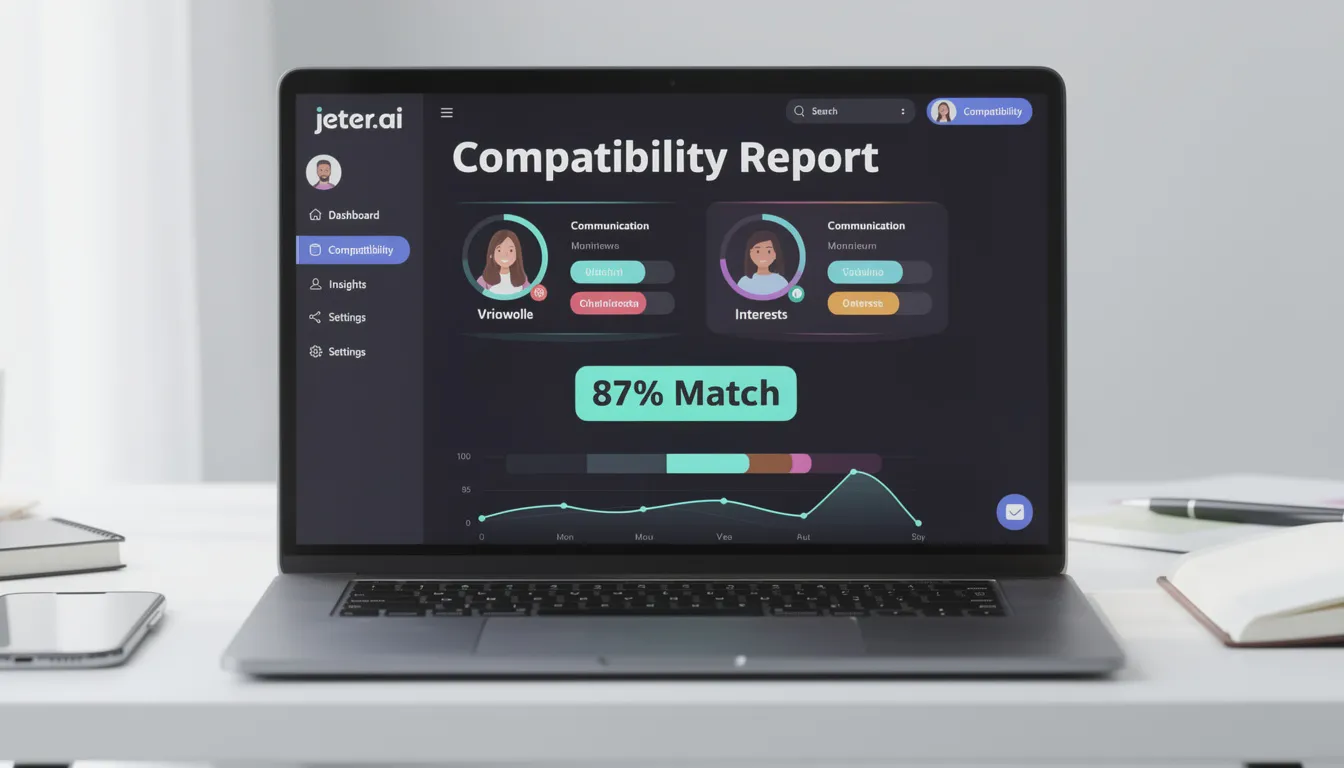
A modern compatibility test offers something different. Rather than generating a random “82% match” based on your birthdays, it evaluates deeper factors like communication style, emotional needs, values, and life goals. A compatibility test also helps both people clarify their definition of what they want from a relationship, including expectations and boundaries. It can flag deal breakers before you schedule that first drink. Jeter.ai’s compatibility test takes this further with AI-powered analysis designed to help you understand dating compatibility before meeting in person, giving you actual insights instead of arbitrary numbers. For a more detailed approach, check out the modern compatibility test that explores how AI is transforming relationship assessments.
According to a 2020 study by the Pew Research Center, 30% of U.S. adults have used a dating site or app, but over 60% of online daters report concerns about compatibility and mismatches in relationships (source). This highlights the need for more reliable tools like compatibility tests to improve dating outcomes.
The Problem With Modern First Dates
Meeting someone from Hinge, Bumble, or Tinder for the first time carries inherent uncertainty. You’ve seen their photos, read their bio, maybe exchanged witty messages for a week. But you don’t really know them. Without compatibility insights, people often invest weeks or months into connections that were mismatched from day one, only discovering fundamental differences after emotional investment has already built up.
This is especially painful for midlife daters in their 30s, 40s, and 50s who don’t have years to spend on relationships that were never going to work. Consider this scenario: one person wants kids by 2028, while the other has decided they never want children. Or one partner dreams of moving abroad for work, while the other is tied to a local family business they’ll inherit. These aren’t minor differences you can compromise on. They’re the kind of mismatches that create resentment, heartbreak, and wasted time. Fear of vulnerability or rejection can prevent people from having honest conversations about compatibility early on, increasing emotional risk and making it harder to establish emotional safety and trust.
Too Many Unknowns on a First Date
A first date typically reveals surface traits. You learn where they work, what shows they’re binging, their favorite neighborhood bar. Maybe you discover shared hobbies or mutual friends. But what you don’t learn is far more important for long term relationship success.
You don’t know if they’re an introvert who needs quiet evenings to recharge or an extrovert who thrives on constant social activity. You don’t know their communication habits—are they someone who wants daily check-ins via text, or do they prefer a weekly phone call? You can’t see their conflict style, their emotional needs, or how they handle stress. These unknowns can create major relationship compatibility issues later. Imagine dating someone for three months before realizing they find your need for daily texting suffocating, while you feel abandoned by their once-a-week communication preference. A compatibility test can surface these differences before the first date, so both people go in with clearer expectations about what they’re walking into. Certain behaviors or reactions on a first date can be a sign of deeper compatibility or potential issues, and a compatibility test helps you recognize these signs early. For practical preparation, consider reviewing 100 compatibility questions for couples to explore important topics to discuss before commitment.
Why Attraction Alone Isn’t Enough
Physical attraction and chemistry feel powerful. When you’re drawn to someone, it’s easy to assume everything else will fall into place. But attraction alone isn’t enough to build healthy relationships that last.
Many couples stay together for years based on sexual chemistry despite having misaligned long term goals. Two people might have incredible physical chemistry but disagree fundamentally on monogamy, financial priorities, or work-life balance. One person might want to spend weekends hiking and traveling, while the other wants to stay home and save money for a house. True compatibility means having shared direction in life, not just shared desire in the moment. A compatibility test pushes you to look beyond the immediate spark and assess whether your values align on the things that actually matter for a future together. To understand more about how compatibility differs from chemistry, see our article on compatibility vs chemistry before the first date.
Why Singles Want Compatibility Insights Earlier
Dating culture has shifted significantly. Singles in 2024-2026 are increasingly taking a compatibility-first approach, wanting to know before date one if basic needs align. The motivation is practical: limited time, emotional burnout from repeated mismatches, and a strong desire to avoid three-month situationships that go nowhere.
Consider someone in their late 30s who wants children soon. They don’t have years to spend dating someone who never wants kids. Using a compatibility test to filter out partners with incompatible life goals isn’t cold or unromantic—it’s efficient and kind to both people. Early insights into dating compatibility help you focus your energy on promising connections instead of trying to fix fundamental incompatibility later, which rarely works anyway. However, using a compatibility test doesn’t necessarily guarantee a perfect match, but it does help you avoid obvious mismatches.
What Is a Compatibility Test?
A compatibility test is an in-depth questionnaire or assessment that evaluates how two people are likely to function together in a real relationship. Unlike a love calculator or love test that simply uses names or birthdays to generate a percentage, a serious compatibility test incorporates personality science, relationship psychology, and sometimes AI modeling to predict relationship compatibility.
These tests look at both alignment (where you’re similar) and complementarity (healthy differences that can actually work well together). The goal isn’t to find someone identical to you but to understand whether your differences will create friction or balance.
How Compatibility Tests Work
A robust compatibility test uses structured questions about values, lifestyle, emotional needs, and communication preferences. Rather than asking simple yes/no questions like “Do you like travel?”, modern tests dig deeper into how you make decisions, handle stress, express affection, and resolve conflict.
Tools like Jeter.ai model personality traits such as openness, conscientiousness, and emotional intensity to see how two profiles would interact in real life. The output isn’t a magical fate score—it’s a compatibility summary showing strengths, potential friction points, and tips for navigating differences. For example, the test might reveal that you’re a planner who likes structured weekends while your potential match is spontaneous and resists schedules. That’s useful information to have before your first date, not six months in.
What a Compatibility Test Measures
A comprehensive compatibility test evaluates several key dimensions that affect daily life together:
|
Dimension |
What It Examines |
|---|---|
|
Communication style |
Fast texter vs. slow responder, direct vs. indirect communication, frequency expectations |
|
Emotional needs |
Need for reassurance, independence, expressions of affection, ability to handle conflict |
|
Lifestyle preferences |
Sleep schedule, social life, travel frequency, pets, financial situation, household chores |
|
Values |
Family importance, work priorities, marriage views, children, monogamy |
|
Long-term expectations |
Where to live by 2030, career ambitions, retirement priorities |
|
Consider that financial disagreements are one of the leading causes of relationship stress and divorce, according to the American Psychological Association (source). Compatibility tests that include financial habits and values can help identify potential conflicts early. |
Why Compatibility Matters in Dating
True relationship compatibility predicts how smoothly partners will communicate, make decisions, and support each other over time. Research suggests that couples with aligned values and communication styles experience fewer recurring arguments, easier conflict resolution, stronger emotional connection, and more satisfying intimacy (source).
Contrast a compatible couple—aligned on communication preferences and lifestyle choices—with an incompatible one where texts are constantly misread and resentment builds over how time is spent together. It can be sad when couples realize too late that incompatibility is causing emotional disconnect or dissatisfaction. Dating compatibility doesn’t mean being identical. It means having differences that can coexist without constant friction. A compatibility test offers a practical, low-stress way to check these foundations before investing emotional energy in multiple dates.
Love Calculators and Love Tests: Fun but Not Accurate
Love calculators and simple online love tests exploded in popularity in the 2000s and 2010s, especially with the rise of social media platforms. They’re fun to share and generate playful conversations about crushes. But they don’t assess real relationship compatibility in any meaningful way. The problem is that people sometimes confuse a high “love score” with true dating compatibility, which can be genuinely misleading.
How Love Calculators Work
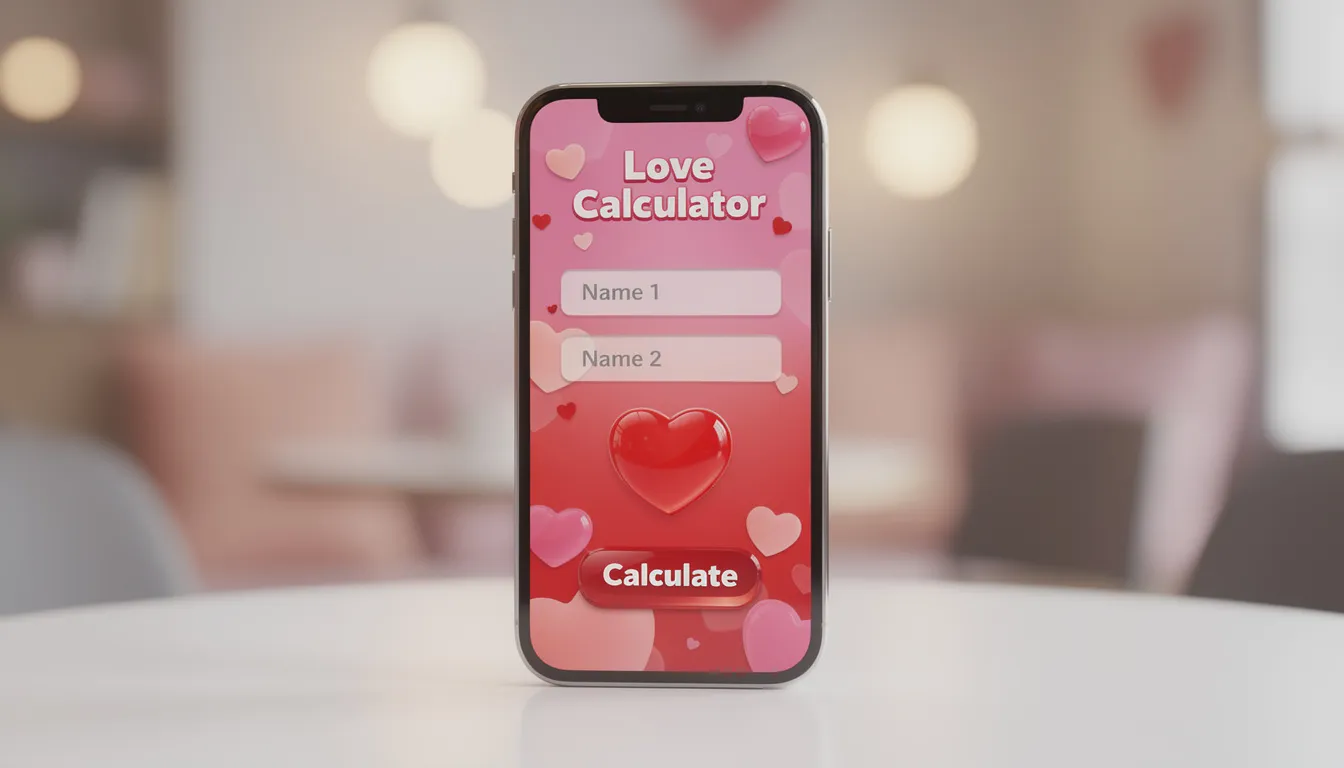
Most love calculators operate on a simple formula:
-
Use names, birth dates, or zodiac signs as inputs
-
Run them through a basic or random algorithm
-
Return a percentage or playful message about true love
These tools rarely ask meaningful questions about personality, habits, or long term goals. A typical example: type in two names and receive “73% chance of true love” with a cute animation. The calculation has no basis in psychology or relationship science—it’s essentially random or uses letter-matching formulas. Some sites dress this up with graphics or numerology references like Life Path Numbers derived from birth dates, but underneath it’s still arbitrary. Jeter.ai’s approach is fundamentally different, using actual responses and AI analysis instead of random scoring.
Why Love Tests Became Popular Online
Early social media made shareable quizzes irresistible. MySpace, Facebook in 2008-2012, and later Instagram and TikTok turned love tests into viral content. They’re quick, free, and offer instant gratification—a fun distraction rather than a serious relationship tool.
For teens and young adults especially, love calculators felt like a playful way to talk about crushes with friends. The entertainment value is real. But popularity doesn’t equal accuracy or psychological validity. While these quizzes can be an icebreaker or party game, they shouldn’t inform real dating decisions any more than a fortune cookie should guide your career.
The Limitations of Love Calculators
Love calculators fundamentally fail to measure what matters:
-
Values and beliefs
-
Communication styles and preferences
-
Emotional needs and expectations
-
Lifestyle compatibility
-
Long-term relationship goals
They provide no genuine insight into relationship compatibility and can create false confidence or unnecessary doubt. Imagine a couple who gets a “low” score of 34% but is actually highly compatible in every meaningful way—shared values, effective communication, similar life goals. That misleading number could discourage a promising connection.
Love tests aren’t based on relationship science or AI modeling—just simple formulas designed to entertain. For most people looking for serious relationships, a compatibility test is the only meaningful option compared to a love calculator.
Why Taking a Compatibility Test Before a First Date Is Smart
A pre-date compatibility test transforms a blind date into a semi-informed meeting, reducing anxiety and helping you spend time wisely. This is especially useful when meeting someone from a dating app or long-distance match where mutual friends can’t vouch for whether you’d actually get along.
Taking compatibility questions separately and then comparing results can spark honest conversations before you even meet. It’s not about creating a pass/fail test for potential partners—it’s about going in with your eyes open.
Avoid Clearly Incompatible Matches
A compatibility test can quickly reveal major non-negotiables that would otherwise take months to discover:
-
One person wanting kids by 2030 while the other never wants them
-
Opposite views on monogamy versus ethical non-monogamy
-
Conflicting work schedules that make quality time nearly impossible
-
Fundamentally different financial situations and spending philosophies
Identifying these gaps before the first date saves both people from investing time and hope in a dead-end connection. Think of it as pruning rather than judging—filtering for relationship compatibility rather than expecting perfection. If a compatibility test reveals a deal breaker, you can cancel or reframe the date honestly rather than discovering the issue three months in. Jeter.ai presents such red flags clearly in its compatibility insights, helping you decide whether to proceed.
Improve First Date Conversations
Having compatibility test results in advance gives you ready-made, meaningful topics to discuss. Instead of awkward small talk about the weather or generic questions about their job, you can dive into substance:
-
Talk about your matched values and why they matter to you
-
Compare how you both prefer to handle conflict
-
Laugh together about one area where the test says you might disagree
This makes the date feel more authentic and less like a job interview. When differences appear, frame them as curiosity points—“Tell me more about why that matters to you”—rather than problems to solve. Jeter’s compatibility test is designed to generate first-date-friendly conversation prompts from your results, so you’re not starting from scratch.
Increase the Chances of a Meaningful Connection
A compatibility test doesn’t guarantee you’ll feel chemistry or fall in love. What it does is dramatically increase the odds that you’ll feel aligned on core issues when you meet. Two people who match high on emotional alignment and communication style are more likely to feel safe opening up on the first date.
When basic dating compatibility is already established, you can focus on chemistry and personal connection instead of screening for red flags. This approach is especially powerful for people seeking committed relationships rather than casual flings. Research consistently shows that shared values and similar values predict long-term relationship satisfaction far better than physical attraction alone (source).
Reduce Wasted Time and Emotional Energy
The emotional toll of repeated failed connections is real. Going on multiple dates that feel promising at first but collapse over fundamental incompatibilities discovered months later is exhausting. Each false start requires recovery time and affects your mental health and outlook on dating.
A pre-date compatibility test helps you invest your limited emotional energy in matches with realistic potential. This matters especially for people with demanding careers, parents balancing childcare, or anyone juggling multiple responsibilities. Consider someone who kept dating conflict-avoidant partners and repeatedly found themselves unable to address issues in the relationship. A compatibility test could help them recognize this pattern early and choose partners who value open communication instead. Building a more intentional, compatibility-first dating life with tools like Jeter AI isn’t unromantic—it’s smart.

How Modern AI Compatibility Tests Improve Dating
AI has fundamentally changed how we analyze personality, behavior, and relationship patterns. AI-powered compatibility tests go far beyond love calculators by using real data and sophisticated models. These tools can continuously improve as more people take the test, refining how they predict dating compatibility based on what actually works in real relationships.
Data-Driven Relationship Insights
AI can analyze large datasets of relationship patterns to identify which traits and combinations tend to lead to happy, long term relationships. Modern compatibility tests model personality dimensions—emotional expressiveness, risk tolerance, attachment needs—more precisely than old quizzes ever could.
For example, AI might identify that two people who both rate high on conflict-avoidance may struggle to address problems directly, leading to unresolved issues that build resentment over time. Jeter.ai uses these patterns to flag both strengths (like shared empathy and mutual support tendencies) and potential weak spots (like differing expectations around communication frequency). The goal is to inform and empower you, not replace your judgment or intuition about the right person for you.
Deeper Analysis Than Traditional Love Tests
AI compatibility tests examine dimensions that simple love tests completely ignore:
-
How you make decisions (collaborative vs. independent)
-
How you give and receive support during stress
-
How you handle conflict and disagreements
-
How you want intimacy, sex, and affection to look over time
-
Your preferences for spending time together versus apart
Rather than asking “Do you like travel?”, a sophisticated test asks how often you want to travel, your budget comfort, your style (backpacking versus luxury hotels), and whether travel is something you need a partner share or something you’re happy to do with friends. This level of detail produces a far more realistic picture of what everyday life together might feel like. Jeter.ai’s compatibility test was built specifically to capture these deeper variables that affect relationship satisfaction.
Personalized Compatibility Results
AI allows compatibility test results to be tailored to each person rather than offering generic advice. Users receive:
-
A compatibility score reflecting actual shared values and lifestyle
-
A breakdown of strengths (“high alignment on long-term goals and location preferences”)
-
A list of areas to watch (“different needs for personal space and alone time”)
-
Practical recommendations for navigating those differences
For example, two people with different texting habits might receive specific guidance on finding a middle ground—perhaps agreeing to a morning check-in and evening call rather than constant messaging. Jeter.ai presents these insights in clear, non-technical language with actionable tips you can use immediately. The compatibility test becomes something you can revisit over time as you learn more about yourself and notice patterns in your dating life.
Introducing the Next Generation Compatibility Test
Jeter.ai’s compatibility test represents the next generation of dating tools, designed specifically for modern online dating challenges. It focuses on real relationship compatibility rather than gimmicks or random love scores, making it ideal for people using dating apps, exploring long-distance connections, or anyone serious about finding a compatible partner.
What Makes the Jeter Compatibility Test Unique
The Jeter AI compatibility test is AI-powered, using advanced modeling to interpret your answers and create nuanced profiles. It was built around the specific challenges of modern dating:
-
App fatigue from endless swiping
-
Ghosting and unclear intentions
-
Midlife dating realities including kids, careers, and geography constraints
-
The desire to know compatibility before emotional investment
Unlike tools that only assess long-term marriage potential, Jeter focuses on first-date readiness—clarifying whether you’re likely to enjoy a first meeting and have enough in common to want a second one. The system continuously improves based on anonymized patterns, making compatibility insights more accurate over time. The experience is mobile-friendly and quick enough to complete before scheduling or confirming a first date.
What the Test Evaluates
The Jeter compatibility test examines key dimensions that matter for real relationships:
|
Category |
What’s Assessed |
|---|---|
|
Personality compatibility |
Spontaneity vs. planning, introversion vs. extroversion, openness to new experiences |
|
Communication dynamics |
Texting habits, call preferences, response time expectations, directness |
|
Emotional alignment |
Need for reassurance, expressions of affection, conflict style, respect for other’s boundaries |
|
Lifestyle compatibility |
Social life, finances, travel, pets, sleep schedules, work patterns |
|
Relationship goals |
Marriage timeline, children, cohabitation plans, monogamy expectations |
|
Results might reveal that you both want to live in a major city by 2027 and value international travel three to four times a year—useful information for understanding shared interests. You’ll understand not only if you match, but how you match, including what daily life together might realistically feel like. |
|
|
A sample insight might read: “Strong alignment on affection and quality time preferences. Potential friction: different expectations around texting frequency—consider discussing communication preferences early.” |
Why It Works Better Than a Love Calculator
Jeter.ai uses real data from your compatibility test responses instead of random or name-based algorithms. It delivers relationship compatibility insights that map onto real-life decisions:
-
How often you might want to see each other
-
How you’ll communicate between dates
-
How you approach money and time
-
How you think about long-term commitment
Compare this to a love calculator that says “68% chance of true love” with zero explanation or actionable advice. You can’t do anything with that number. Jeter.ai is grounded in relationship psychology and data analysis rather than superstition or entertainment. Treat love calculators as fun distractions and the Jeter compatibility test as an actual decision-support tool for dating.
How to Take the Jeter Compatibility Test Before a Date
Taking the compatibility test is straightforward and takes under 15 minutes. Here’s how to get started right now.

Step 1: Visit the Compatibility Test Page
Go to https://jeter.ai/compatibility-test/ to access the test. You’ll see a short introduction explaining what the compatibility test measures, an estimated completion time, and a start button.
The process is private and focused entirely on self-knowledge and dating compatibility—there’s no pressure to share results on social media. Take the test before committing to an in-person or video first date if possible. Open the page in a new tab right now and keep reading while it loads.
Step 2: Answer Relationship and Personality Questions
The test asks questions across several areas:
-
How often you like to communicate with a romantic partner
-
What kind of weekends you enjoy and how you prefer to spend free time
-
How you handle disagreements and navigate conflict
-
What you want from relationships in the next one to five years
-
Your preferences around affection, independence, and personal development
Answer honestly based on your actual tendencies rather than trying to guess what an ideal partner might want to hear. There are no right or wrong answers—only data that helps predict compatibility. The test includes approximately 30-40 questions and typically takes under 10 minutes. Take it in a calm moment when you can answer thoughtfully, not while commuting or distracted by different things.
Step 3: Receive Compatibility Insights
After completing the test, you’ll receive immediate feedback including:
-
Your overall compatibility tendencies and relationship style
-
Strengths you bring to relationships
-
Potential friction points to be aware of in future partnerships
You can later compare your profile with a potential date’s profile to see specific dating compatibility insights. Use your results to decide whether to move forward with a date, shape first-date questions around areas of alignment or curiosity, and set realistic expectations about communication and time together.
Revisit your results as you date different people. You’ll start noticing patterns in who you’re most compatible with and what matters most to you in a partner. Try the Jeter AI compatibility test before planning your next first date.
The Future of Dating Compatibility
Dating culture is shifting from endless swiping toward more intentional, compatibility-first connections. As AI tools mature, singles will increasingly expect compatibility insights before investing time and emotions into someone new. Platforms like Jeter.ai represent the early stages of this transformation, where relationship compatibility becomes built into the dating process rather than discovered through trial and error. As dating evolves, sharing similar perspectives about the world and your place in it will become an even more important aspect of compatibility.
AI-Assisted Dating Decisions
AI will increasingly help people navigate complex dating decisions:
-
Choosing who to meet in person from a list of matches
-
Deciding when to progress a casual connection toward something more serious
-
Recognizing repeating incompatible patterns in your own dating choices
AI serves as a guide, not a dictator—you remain in control of your decisions and preferences. Someone might discover through compatibility data that they consistently choose partners who tend to avoid conflict, helping them break the pattern consciously. Jeter.ai aims to provide these kinds of insights in a user-friendly way without overwhelming you with statistics. Ethical, transparent use of data remains central to the future of AI in dating.
Smarter Matchmaking Tools
Future dating platforms may integrate compatibility test results directly into their matching algorithms. Rather than prioritizing geographic proximity or shared hobbies alone, apps could highlight matches with high relationship compatibility on core values.
Imagine an app that surfaces matches who share your views on kids, finances, and monogamy rather than just showing everyone within 25 miles who also likes hiking. Jeter.ai’s compatibility framework could complement existing dating platforms to improve match quality. Smarter matchmaking reduces burnout from mismatched dates and increases the likelihood of meaningful relationships forming sooner rather than after years of disappointment.
Compatibility-First Dating Culture
The future points toward a dating culture where discussing compatibility early is completely normal—by the third date or even before the first one. Talking about communication habits, lifestyle preferences, money attitudes, and expectations around life goals won’t feel awkward or too serious. It will feel responsible.
Compatibility tests may become as common as checking someone’s profile bio, especially among people seeking long term relationships. This shift could reduce the stigma around discussing “serious topics” early. There’s nothing wrong with wanting to know if you’re on the same page about children, geography, or career priorities before investing months of your life.
Jeter.ai is part of this cultural change, advocating for honesty, self-awareness, and compatibility over pure chemistry.

Conclusion: Choose Compatibility Over Guesswork
First dates will probably always feel a bit unpredictable. You can’t know everything about a person before meeting them, and that uncertainty is part of what makes dating exciting. But first dates don’t have to be completely blind guesses about relationship compatibility.
Love calculators and love tests are entertaining—perfect for a laugh with friends or a nostalgic trip to the idea of fate deciding your future. But they’re not accurate tools for choosing who to date. True dating compatibility involves personality alignment, shared values, similar communication styles, and realistic lifestyle fit. These factors predict relationship satisfaction far better than names, birth dates, or astrology ever could.
True compatibility means being aware of the other’s shortcomings and practicing acceptance of them, recognizing that human beings have both strengths and flaws. When dating multiple people, transparency and mutual understanding are essential for healthy relationships. Sexual compatibility requires that both partners have similar values regarding sex frequency and preferences, and discussing sexual needs openly is crucial. It’s also important to assess how well you and your partner handle unexpected obstacles and life changes together. Additionally, genetic compatibility tests can assess risks for future children by checking if both partners carry the same recessive genetic mutations.
A modern compatibility test—especially an AI-powered one like the Jeter AI compatibility test—helps you make smarter, kinder decisions for yourself and the people you meet. You deserve to know whether a connection has potential before spending months hoping it will work out. Your future dates deserve honesty about whether you’re genuinely compatible rather than just attracted.
Before your next first date, take 10 minutes to complete the Jeter.ai compatibility test. It’s a small step that could save you months or even years of misaligned relationships—and help you find the right person faster.


